
Specialty Veterinary Hospital in Los Angeles: Your Complete Guide
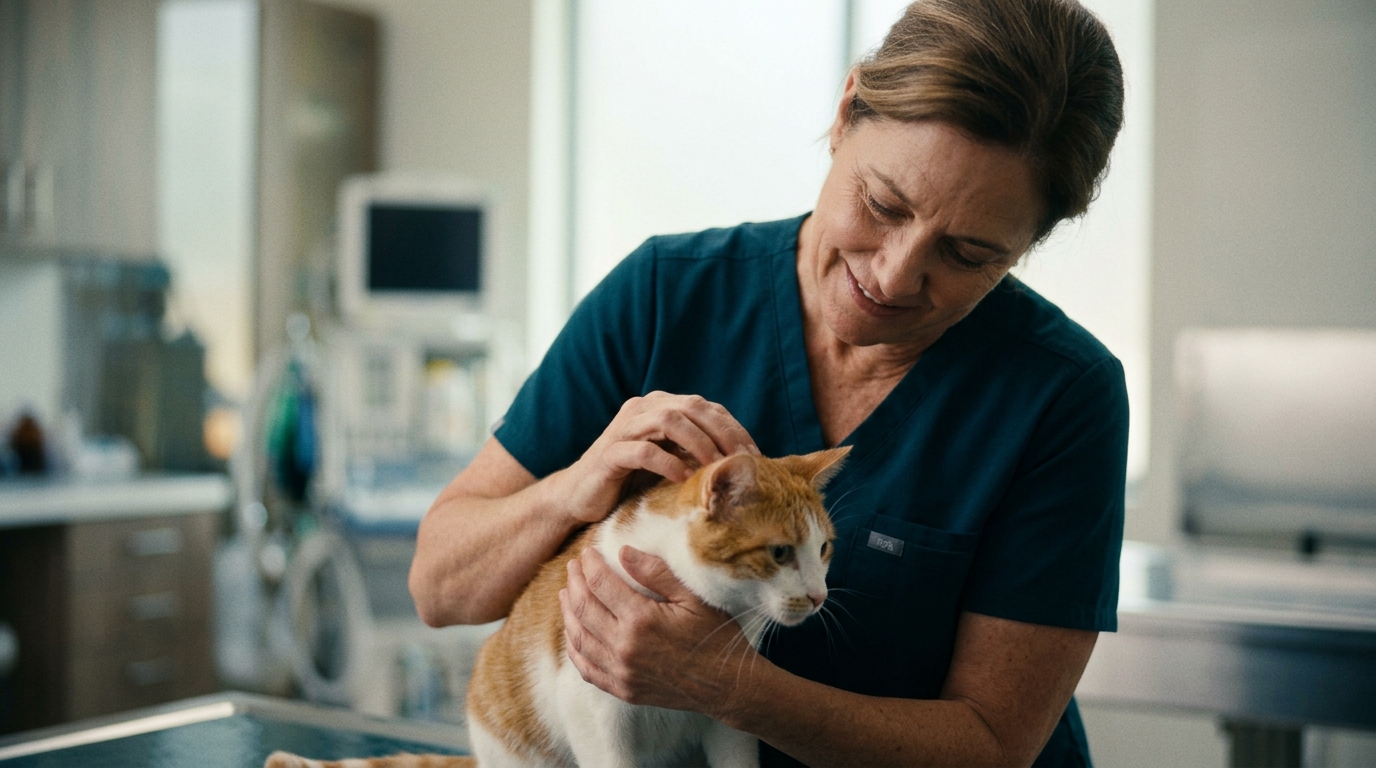
When your dog or cat needs more than routine checkups, finding a specialty veterinary hospital in Los Angeles can feel overwhelming. Specialty hospitals bring together board-certified veterinarians, advanced diagnostic equipment, and round-the-clock emergency access under one roof. Whether your pet faces a neurological condition, a complex surgical case, or a cardiac concern, knowing what to look for and where to go can save precious time. This guide covers exactly what a specialty veterinary hospital offers, the credentials that matter, and how to choose the right facility in the Los Angeles area.
What Is a Specialty Veterinary Hospital?
A specialty veterinary hospital is a facility staffed by veterinarians who have completed advanced postgraduate training and achieved board certification in a specific discipline. Unlike general practice clinics, these hospitals focus on complex or critical conditions that require specialized equipment and expertise.
According to the American Veterinary Medical Association (AVMA), there are 22 recognized veterinary specialty organizations comprising 48 distinct specialties, and more than 16,500 veterinarians hold diplomate status nationwide. Your primary care vet typically refers your pet to a specialist when a case exceeds the scope of general practice.
Why Los Angeles Pet Owners Need Specialty Care
Los Angeles is home to millions of pet-owning households, and the city's dense traffic and urban hazards make fast access to emergency and specialty care essential. Pets involved in accidents, those with chronic diseases, or animals needing advanced imaging benefit from hospitals that operate 24 hours a day, 7 days a week.
A board-certified veterinary specialist is a veterinarian who has completed additional training in a specific area and passed a rigorous examination evaluating knowledge and skills in that specialty. Having one nearby can mean the difference between a routine recovery and a life-threatening delay.
Core Services Offered at Specialty Hospitals
Not every specialty hospital offers the same departments. The table below outlines common specialty services you should look for when evaluating facilities in Los Angeles.
| Specialty Service | What It Covers | When Your Pet May Need It |
|---|---|---|
| Emergency & Critical Care | Triage, stabilization, ICU monitoring | Trauma, poisoning, sudden collapse |
| Neurology & Neurosurgery | Brain and spinal cord diagnostics and surgery | Seizures, disc disease, paralysis |
| Surgery | Soft-tissue, orthopedic, and minimally invasive procedures | Tumor removal, fracture repair, foreign body |
| Internal Medicine | Endoscopy, ultrasound-guided biopsy, chronic disease management | Kidney disease, GI disorders, immune conditions |
| Cardiology | Echocardiography, ECG, cardiac intervention | Heart murmurs, congestive heart failure |
| Dentistry & Oral Surgery | Digital dental radiography, extractions, jaw fracture repair | Oral tumors, severe periodontal disease |
| Rehabilitation & Integrative Medicine | Physical therapy, acupuncture, laser therapy | Post-surgical recovery, mobility issues |
Facilities like LAASER's specialty departments cover all of the above, giving pet owners a single destination for multi-disciplinary care.
Board Certification and Credentials to Look For
A diplomate is a veterinarian who has earned board certification through an AVMA-recognized specialty college after completing a multi-year residency and passing a comprehensive exam. When researching hospitals, look for credentials such as DACVECC (emergency and critical care), DACVIM (internal medicine or neurology), and DAVDC (dentistry).
Why Credentials Matter
Board-certified specialists undergo three or more years of focused residency training beyond veterinary school. This means they handle the most complex cases daily, not occasionally. Hospitals that employ multiple specialists across departments can coordinate care internally, reducing delays and improving outcomes.
Questions to Ask
Before choosing a hospital, ask whether the attending veterinarian is board-certified, which specialty college granted certification, and whether the hospital has in-house advanced imaging such as CT or MRI.
How to Choose the Right Specialty Hospital
Proximity alone should not drive your decision. Consider the following factors when selecting a specialty veterinary hospital in Los Angeles:
- 24/7 availability: Emergencies do not follow business hours. Confirm the ER is always open with no appointment needed.
- Range of specialties: A hospital with multiple departments can consult internally, avoiding the need to transfer your pet elsewhere.
- Advanced imaging: Look for CT scanners, digital radiography, and fluoroscopy on-site.
- Rehabilitation support: Post-operative physical therapy and integrative medicine accelerate recovery.
- Communication: The best hospitals keep you and your primary vet informed at every step.
LAASER: Specialty and Emergency Care in Glassell Park
LAASER (Los Angeles Animal Specialty Emergency & Rehabilitation) is a multi-specialty and integrative medical center in Glassell Park, Los Angeles, built to guide pets and their families through treatment and recovery. The hospital is open 24/7/365 with no appointment needed for emergencies.
Specialties Under One Roof
LAASER's veterinary team includes board-certified specialists in emergency and critical care, neurology and neurosurgery, surgery, internal medicine, cardiology, dentistry and oral surgery, anesthesiology, and rehabilitation/integrative medicine.
Advanced Technology
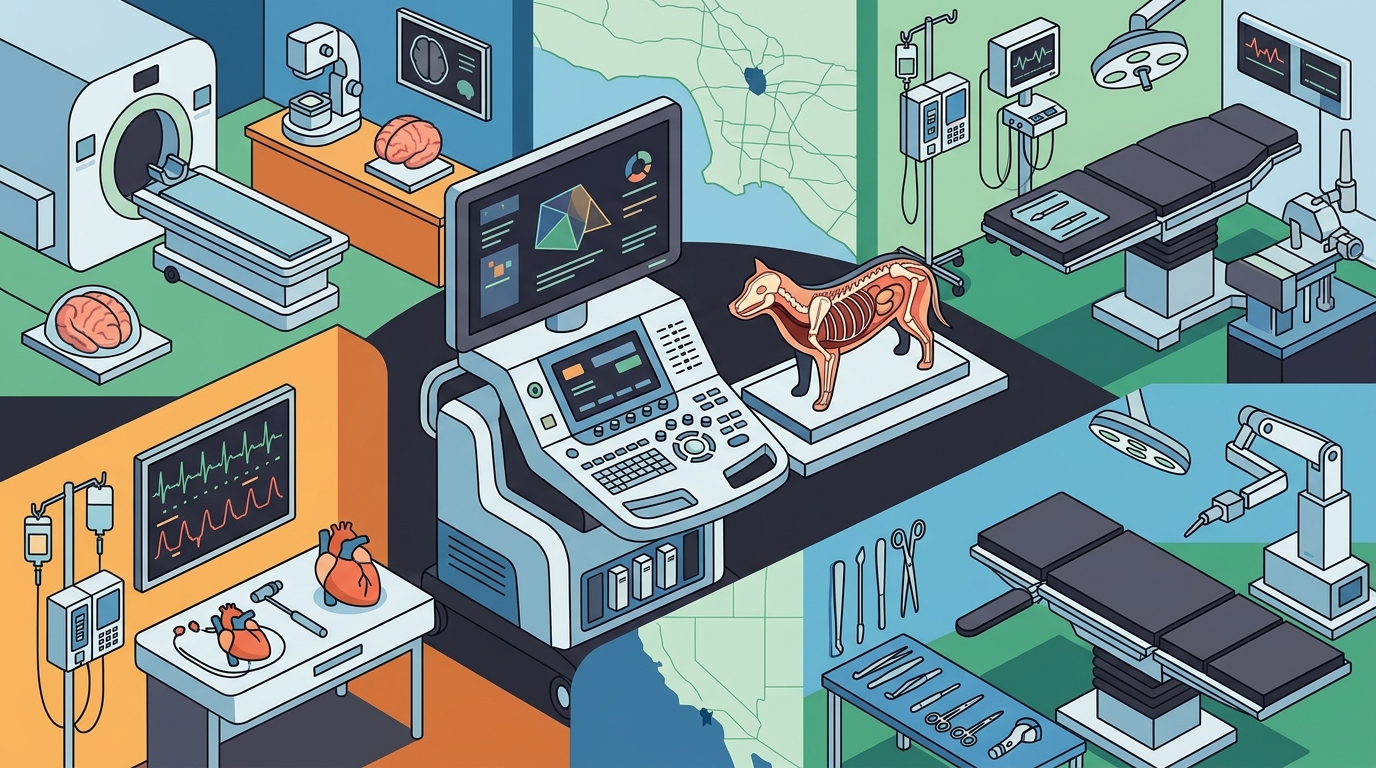
The facility houses a 32-slice BodyTom CT scanner, digital radiography with myelography, Canon Aplio ultrasound with transcranial capability, and C-arm fluoroscopic imaging. This equipment enables precise diagnostics without transferring your pet to a separate imaging center.
Collaborative Care Model
LAASER works closely with primary care veterinarians throughout Los Angeles. Their approach prioritizes transparency, keeping pet owners and referring vets informed and involved in every treatment decision. You can reach the hospital at 323-800-VETS (8387) or through the Pet Parent Portal.
Key Takeaways
- A specialty veterinary hospital employs board-certified veterinarians trained beyond general practice in specific disciplines.
- The AVMA recognizes 22 veterinary specialty organizations with 48 distinct specialties nationwide.
- Look for 24/7 emergency access, multiple specialty departments, and on-site advanced imaging when choosing a hospital.
- Board certification credentials like DACVECC, DACVIM, and DAVDC indicate the highest level of postgraduate training.
- LAASER in Glassell Park, Los Angeles, offers emergency care, neurology, surgery, cardiology, internal medicine, dentistry, and rehabilitation all under one roof.
- Collaborative communication between specialists, pet owners, and primary care vets leads to the best outcomes.
- Call 323-800-VETS (8387) or visit laaser.vet for immediate emergency assistance any time of day.
Frequently Asked Questions
What is the difference between a general vet and a veterinary specialist?
A general veterinarian provides primary care such as wellness exams and vaccinations. A veterinary specialist has completed an additional multi-year residency and passed board exams in a focused discipline like neurology, surgery, or cardiology, enabling them to handle complex cases that go beyond general practice.
Do I need a referral to visit a specialty veterinary hospital?
For emergency visits, no referral is needed. Most specialty hospitals, including LAASER, accept walk-in emergencies 24/7. For non-emergency specialty appointments, a referral from your primary care vet is commonly requested but not always required. Call ahead to confirm.
How much does a visit to a specialty vet hospital cost?
Costs vary widely depending on the specialty, diagnostics needed, and treatment plan. Emergency visits typically start with an exam fee, and advanced procedures like CT scans or surgery carry additional charges. Ask for a treatment estimate before proceeding.
What should I bring to a pet emergency visit?
Bring any medical records, a list of current medications, and information about what happened. If your pet ingested a toxin, bring the packaging. Having your primary vet's contact information ready helps the emergency team coordinate follow-up care.
Is LAASER open on holidays?
Yes. LAASER operates 24 hours a day, 7 days a week, 365 days a year, including all holidays. No appointment is needed for emergency visits.
What advanced imaging does LAASER offer?
LAASER provides a 32-slice CT scanner, digital radiography, myelography, ultrasound with transcranial capability, and C-arm fluoroscopy. These tools allow the medical team to diagnose conditions quickly and accurately without outside referrals.
Can LAASER handle both my pet's surgery and post-op rehabilitation?
Yes. LAASER has dedicated surgery and rehabilitation/integrative medicine departments. Having both in one hospital allows for coordinated post-operative physical therapy, acupuncture, and recovery planning led by certified specialists.
Where is LAASER located?
LAASER is located in the Glassell Park neighborhood of Los Angeles. For directions and contact information, visit the LAASER contact page or call 323-800-VETS (8387).
Get Help for Your Pet Now
If your pet needs emergency or specialty veterinary care in Los Angeles, do not wait. Contact LAASER today at 323-800-VETS (8387) or walk into our Glassell Park hospital any time, day or night. Our board-certified specialists are ready to help.