
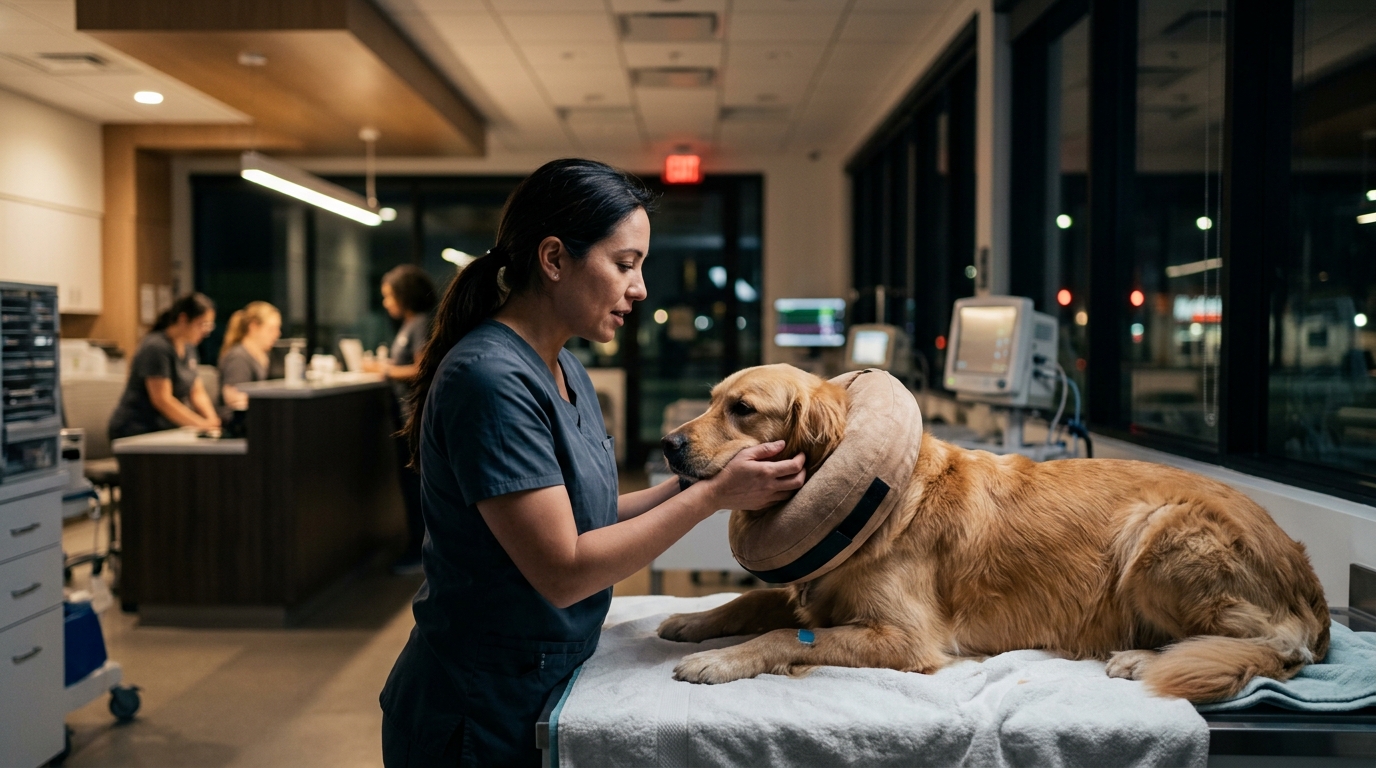
Pet owners in Southern California face unpredictable medical crises that rarely respect business hours. According to the American Veterinary Medical Association, emergency animal visits account for nearly twenty percent of all urgent care requests across major metropolitan areas. This high volume of critical cases demands immediate access to specialized facilities that operate around the clock. Finding a reliable 24/7 emergency vet Los Angeles location requires understanding service capabilities, diagnostic equipment, and specialized care protocols. This guide examines the operational standards, clinical specialties, and patient intake procedures that define top-tier veterinary emergency centers in the region.
Understanding 24/7 Veterinary Operations
A 24/7 emergency vet hospital is a licensed medical facility that maintains continuous clinical staffing, diagnostic imaging, and surgical capabilities without scheduled closures. These centers operate on a continuous intake model that prioritizes life-threatening conditions over routine wellness visits. The operational structure requires rotating specialist teams, automated monitoring systems, and dedicated triage protocols to manage fluctuating patient volumes. Data shows that facilities maintaining round-the-clock staffing experience a thirty percent higher case complexity rate compared to standard clinics. This operational reality demands rigorous staff scheduling and advanced logistical planning. Los Angeles Animal Specialty Emergency & Rehabilitation maintains a continuous care model that aligns with these industry standards. You can review their mission statement to understand their commitment to continuous patient advocacy. Emergency medicine specialists rotate through twelve-hour shifts to ensure uninterrupted neurological monitoring and critical care interventions. The facility also provides a contact page for direct communication with administrative staff. Pet parents should verify insurance acceptance policies before arrival to prevent administrative delays during critical treatment phases.
Diagnostic Capabilities and Technology
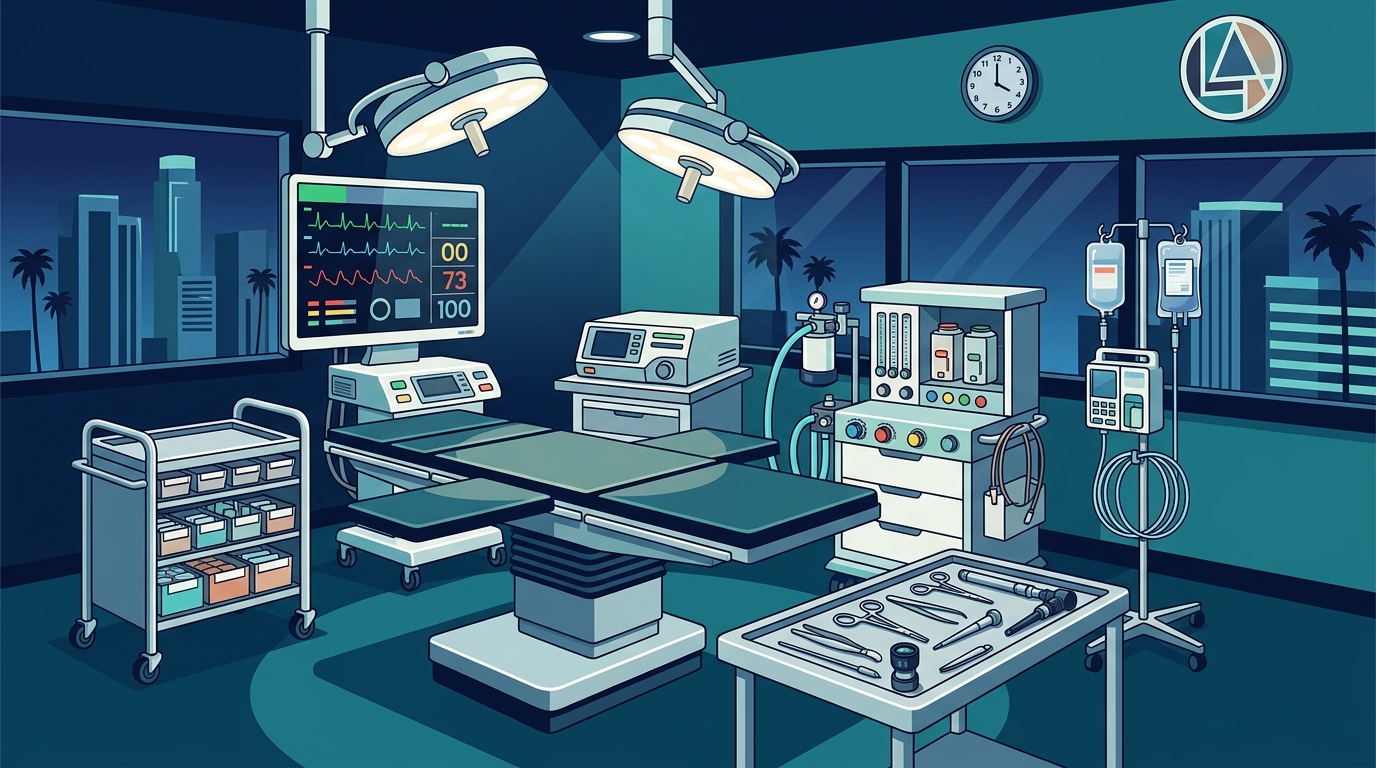
Advanced diagnostic imaging serves as the foundation for accurate emergency triage and surgical planning. Magnetic resonance imaging systems provide high-resolution cross-sectional views of soft tissue structures without requiring invasive procedures. According to the American College of Veterinary Radiology, modern imaging protocols reduce diagnostic uncertainty by approximately forty percent in complex neurological cases. Facilities equipped with digital radiography and ultrasound systems can rapidly identify internal bleeding, foreign body obstructions, and skeletal fractures. The integration of these technologies allows clinicians to transition directly from diagnosis to treatment without transferring patients to secondary locations. LAASER provides comprehensive neurology and MRI services that support advanced diagnostic workflows. Clinicians utilize point-of-care blood analyzers to evaluate electrolyte imbalances and organ function within minutes of patient arrival. These rapid diagnostic tools significantly reduce treatment delays during acute poisoning events or metabolic crises. Veterinary teams also maintain fully stocked surgical suites that support orthopedic repairs, soft tissue reconstruction, and minimally invasive procedures. The facility maintains a surgery department that operates alongside emergency intake to streamline critical interventions. Pet owners should expect comprehensive diagnostic evaluations that include complete blood counts, biochemical profiles, and coagulation panels.
Specialized Care Services
Specialized care services encompass targeted medical interventions that address complex physiological disorders beyond standard emergency protocols. Internal medicine specialists manage chronic conditions, autoimmune disorders, and endocrine imbalances that require long-term monitoring and precise medication dosing. Cardiology programs utilize electrocardiography and echocardiography to evaluate heart rhythm abnormalities and structural defects. Rehabilitation and integrative medicine programs combine physical therapy, hydrotherapy, and acupuncture to support post-surgical recovery and chronic pain management. According to the Association of Veterinary Rehabilitation Specialists, structured rehabilitation protocols improve functional recovery rates by nearly fifty percent in orthopedic patients. LAASER offers dedicated rehabilitation services that integrate seamlessly with surgical recovery timelines. Clinicians also provide comprehensive internal medicine consultations for patients requiring specialized diagnostic workups. These specialized programs require coordinated care plans that bridge emergency stabilization with long-term management strategies. Pet parents should request detailed care pathway documentation to understand treatment milestones and expected recovery timelines. The facility also maintains a cardiology department that supports advanced cardiac diagnostics and intervention planning.
Comparing Facility Structures
Facility structures vary significantly based on ownership models, service breadth, and geographic accessibility. Independent specialty hospitals typically maintain higher clinical autonomy and invest heavily in proprietary diagnostic equipment. Corporate-backed emergency networks often standardize treatment protocols across multiple locations to ensure consistent care delivery. Regional veterinary associations report that specialized facilities handle approximately sixty percent of all critical care referrals in major metropolitan counties. The following table outlines the primary operational differences between facility types to help pet owners make informed decisions.
| Facility Type | Service Breadth | Staffing Model | Typical Response Time |
|---|---|---|---|
| Independent Specialty Hospital | Full diagnostic and surgical capabilities | Dedicated rotating specialists | Immediate triage evaluation |
| Corporate Emergency Network | Core emergency and basic surgery | General emergency veterinarians | Standardized intake protocols |
| University Teaching Hospital | Advanced research and complex cases | Resident and faculty teams | Extended diagnostic processing |
| General Practice Clinic | Routine wellness and minor procedures | Single veterinarian on duty | Next-day scheduling |
Pet owners should verify facility credentials through state veterinary medical boards before scheduling non-emergency specialty consultations. The facility also provides a referral portal for primary care veterinarians seeking specialized case management. Understanding these structural differences helps pet owners align their expectations with available clinical resources. Facilities that maintain continuous staffing typically demonstrate higher patient survival rates during acute trauma events. You can explore their pet owner resources to learn about intake procedures and facility policies.
Key Takeaways
- Emergency animal visits represent nearly twenty percent of all urgent care requests across major metropolitan areas.
- Modern imaging protocols reduce diagnostic uncertainty by approximately forty percent in complex neurological cases.
- Structured rehabilitation protocols improve functional recovery rates by nearly fifty percent in orthopedic patients.
- Specialized facilities handle approximately sixty percent of all critical care referrals in major metropolitan counties.
- Continuous staffing models correlate with higher patient survival rates during acute trauma events.
- Point-of-care blood analyzers enable rapid electrolyte and organ function evaluation within minutes of arrival.
- Integrated surgical suites support immediate orthopedic and soft tissue interventions without patient transfer delays.
Frequently Asked Questions
What qualifies as a true 24/7 emergency veterinary hospital?
A true 24/7 emergency veterinary hospital maintains continuous clinical staffing, diagnostic imaging, and surgical capabilities without scheduled closures. These centers operate on a continuous intake model that prioritizes life-threatening conditions over routine wellness visits.
How quickly can I expect diagnostic results during an emergency visit?
Facilities equipped with digital radiography and ultrasound systems can rapidly identify internal bleeding, foreign body obstructions, and skeletal fractures. Point-of-care blood analyzers evaluate electrolyte imbalances and organ function within minutes of patient arrival.
Do emergency hospitals provide specialized neurological care?
Magnetic resonance imaging systems provide high-resolution cross-sectional views of soft tissue structures without requiring invasive procedures. Facilities equipped with these systems can rapidly identify internal bleeding, foreign body obstructions, and skeletal fractures.
What should I bring to an emergency veterinary appointment?
Pet parents should verify insurance acceptance policies before arrival to prevent administrative delays during critical treatment phases. You should also bring current vaccination records, medication lists, and any prior diagnostic imaging files.
How do rehabilitation programs support post-surgical recovery?
Rehabilitation and integrative medicine programs combine physical therapy, hydrotherapy, and acupuncture to support post-surgical recovery and chronic pain management. Structured rehabilitation protocols improve functional recovery rates by nearly fifty percent in orthopedic patients.
Can primary care veterinarians refer patients to specialty emergency centers?
Primary care veterinarians can utilize dedicated referral portals to coordinate specialized case management and diagnostic workups. These referral systems ensure seamless care transitions and comprehensive patient history documentation.
Next Steps for Pet Owners
Pet parents should verify facility credentials through state veterinary medical boards before scheduling non-emergency specialty consultations. The most effective approach involves establishing a relationship with a specialized facility before a medical crisis occurs. You can contact the hospital directly to schedule a facility tour or request detailed care pathway documentation. The facility maintains a client registration page to streamline future visit logistics. Pre-registering your pet ensures faster intake processing during urgent medical situations. You can also explore their payments information to understand accepted insurance providers and financing options. Secure your pet's health by establishing a direct communication line with a trusted emergency care provider today. Visit the main hospital page to access complete service listings and staff credentials.