
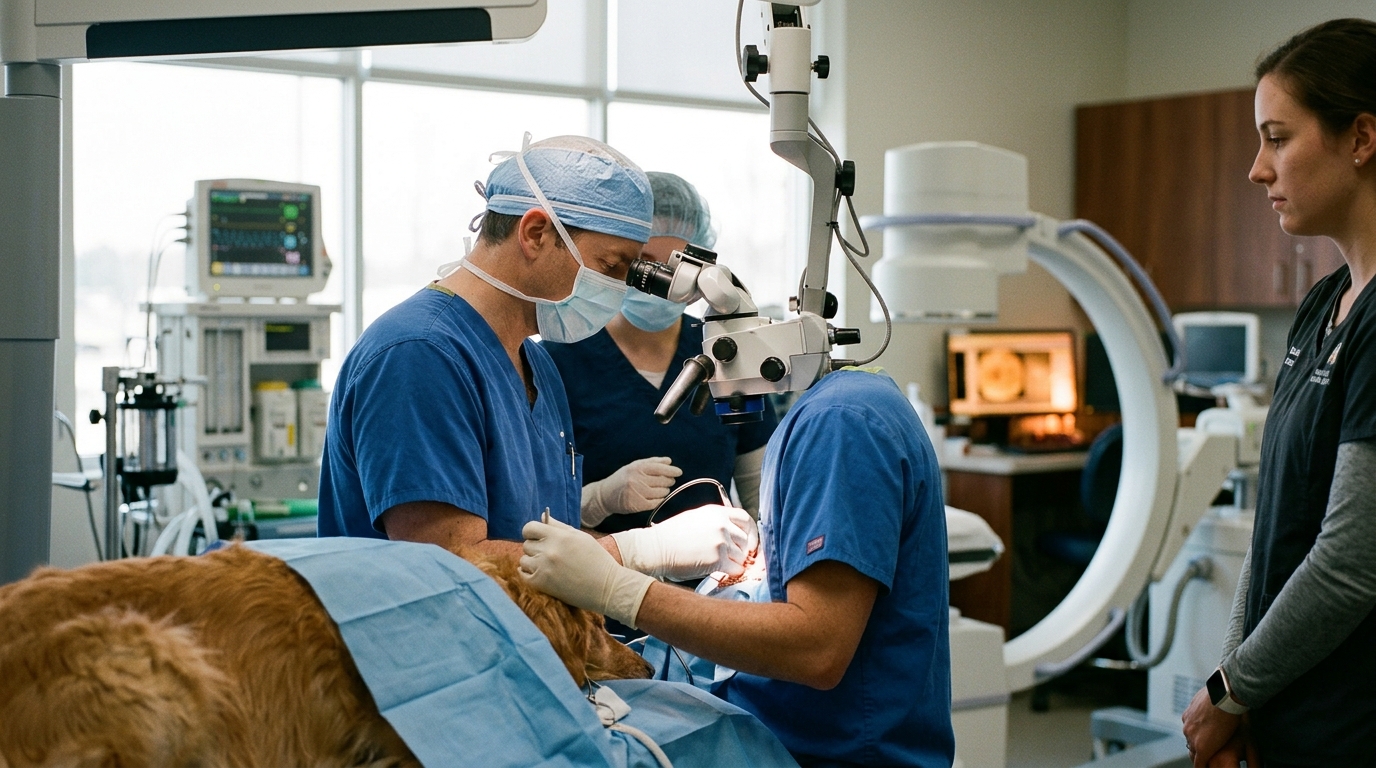
When a pet exhibits signs of neurological distress, such as seizures, loss of balance, or weakness, immediate access to advanced diagnostic imaging and specialized surgical care is critical. According to the American Veterinary Medical Association, neurological conditions in dogs and cats require rapid intervention to prevent permanent damage. In Los Angeles, only a select few facilities possess the infrastructure to handle these complex cases with board-certified specialists. This guide highlights the premier institutions offering neurology and neurosurgery services in the region. (Contact LAASER Emergency amp)
Los Angeles Animal Specialty Emergency & Rehabilitation (LAASER)
Located at 2500 N San Fernando Road in Los Angeles, LAASER stands as a leading destination for pets requiring emergency and specialty care. The facility is open 24/7/365, ensuring that pet owners have access to critical care at any hour. LAASER is distinguished by its multidisciplinary team of board-certified veterinarians, including specialists in neurology and neurosurgery.
Neurology is the study of the nervous system, which includes the brain, spinal cord, and peripheral nerves. Neurosurgery involves the operative treatment of disorders of the nervous system. At LAASER, the neurology and neurosurgery department is staffed by experts like Dr. Robert Powers-Davis and Dr. Kimi Sharma, who utilize state-of-the-art MRI technology to diagnose conditions such as intervertebral disc disease (IVDD), brain tumors, and epilepsy.
Emergency Neurological Care
Neurological emergencies often present as sudden collapse, severe head trauma, or acute paralysis. Data from emergency veterinary networks indicates that timely triage significantly improves survival rates for these conditions. LAASER’s triage technicians are trained to assess neurological deficits immediately upon arrival, prioritizing patients based on severity. This rapid response system is vital for pets suffering from conditions like vestibular disease or acute spinal cord compression.
Advanced Diagnostic Capabilities
Accurate diagnosis is the cornerstone of effective neurological treatment. LAASER employs high-field MRI and CT scanners to visualize soft tissue structures that are invisible on standard X-rays. This technology allows veterinarians to differentiate between disc herniation, spinal cord tumors, and inflammatory diseases with precision. According to veterinary neurology research, MRI is the gold standard for diagnosing spinal cord pathology in dogs.
Other Notable Specialty Centers
While LAASER is a primary hub for emergency and specialty care in Los Angeles, the broader Southern California region includes other specialized practices. However, for 24/7 emergency neurological intervention, LAASER remains a critical resource. Other general practices may refer complex cases to these specialty centers. It is important for pet owners to verify if a hospital has in-house neurology specialists or if they rely on external referrals, which can delay critical care.
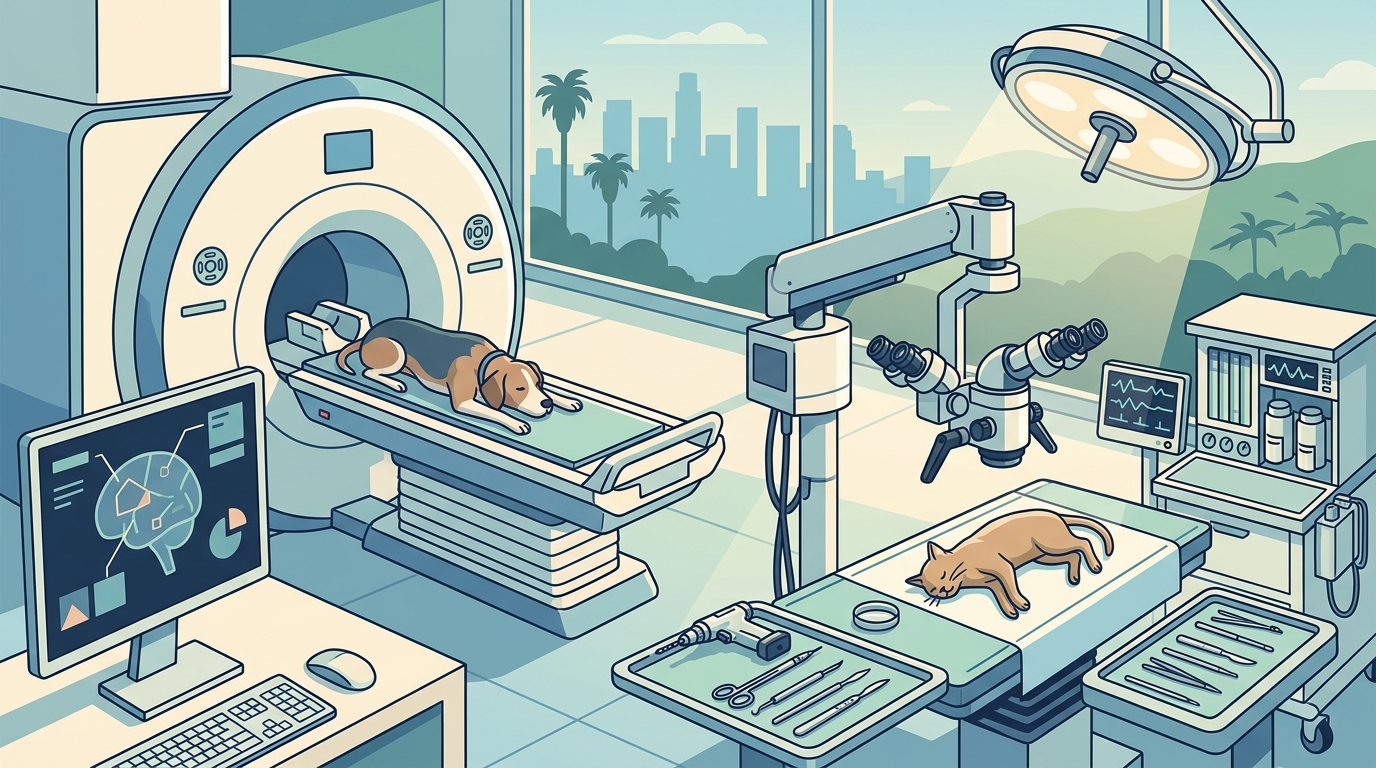
The Diagnostic Process: MRI and CT Scans
When a pet presents with neurological symptoms, the diagnostic journey typically begins with a thorough physical and neurological examination. The veterinarian will assess reflexes, gait, and mental status. If a central nervous system disorder is suspected, advanced imaging is required.
Why MRI is Essential
Magnetic Resonance Imaging (MRI) provides detailed cross-sectional images of the brain and spinal cord. Unlike CT scans, which use radiation, MRI uses magnetic fields to create images of soft tissues. This makes it superior for detecting brain tumors, meningoencephalitis, and subtle spinal cord injuries. Studies in veterinary medicine show that MRI-guided diagnosis reduces the need for exploratory surgery and improves treatment planning accuracy.
Interpreting Results
Once imaging is complete, the neurologist reviews the scans alongside the clinical findings. This comprehensive approach ensures that the treatment plan addresses the root cause of the neurological deficit. For example, a disc herniation might be treated surgically, while an inflammatory condition might be managed with immunosuppressive drugs.
Surgical and Non-Surgical Treatment Options
Treatment for neurological conditions varies widely depending on the diagnosis. Some conditions can be managed medically, while others require surgical intervention.
Common Surgical Procedures
- Deep Cervical Laminectomy: Often used to treat cervical spondylomyelopathy (Wobbler Syndrome) in large breed dogs.
- Discectomy: Removal of herniated disc material to relieve spinal cord compression, commonly performed for IVDD.
- Tumor Removal: Surgical excision of brain or spinal cord tumors when feasible.
Rehabilitation and Integrative Medicine
Post-surgical care is crucial for neurological recovery. LAASER offers rehabilitation and integrative medicine services, including physical therapy and acupuncture. According to the American Veterinary Medical Association, rehabilitation therapy can significantly improve functional outcomes and reduce recovery time for pets with neurological injuries.
Understanding Costs and Insurance
Neurological care can be expensive due to the cost of advanced imaging and specialized surgery. Pet owners should discuss financial estimates with their veterinary team early in the process. Many specialty hospitals, including LAASER, accept pet insurance. It is advisable to contact your insurance provider to understand coverage limits for specialty care.
Financial Planning
Emergency neurological visits often involve higher costs than routine care. Understanding the breakdown of fees, including triage, diagnostics, and surgical costs, can help pet owners prepare. Some hospitals offer payment plans or financing options to make specialized care more accessible.
Key Takeaways
- 24/7 Availability: LAASER provides round-the-clock emergency neurological care at 2500 N San Fernando Road.
- Board-Certified Specialists: The neurology department includes DACVIM-certified neurologists and neurosurgeons.
- Advanced Imaging: In-house MRI and CT scans are critical for accurate diagnosis of nervous system disorders.
- Comprehensive Care: Treatment includes surgery, medical management, and post-operative rehabilitation.
- Rapid Triage: Emergency patients are assessed immediately to prioritize life-threatening conditions.
- Integrative Medicine: Services like acupuncture and physical therapy support recovery and quality of life.
- Insurance Acceptance: Most specialty hospitals accept pet insurance, but pre-authorization may be required.
Frequently Asked Questions
What are the signs of a neurological emergency in pets?
Signs include sudden collapse, seizures, loss of balance, head tilting, weakness in limbs, and changes in mental status. If you observe these symptoms, seek immediate veterinary care.
Does LAASER offer 24/7 neurology services?
Yes, LAASER is open 24/7/365 and has emergency veterinarians available to assess and stabilize pets with neurological issues at any time.
How is neurological disease diagnosed in pets?
Diagnosis typically involves a neurological examination followed by advanced imaging such as MRI or CT scans to visualize the brain and spinal cord.
What is the recovery time for neurological surgery?
Recovery varies by procedure but often requires several weeks of restricted activity and follow-up rehabilitation. Some pets may require long-term management.
Can acupuncture help pets with neurological conditions?
Yes, acupuncture is often used as part of an integrative medicine plan to manage pain, improve mobility, and support nerve function in pets with neurological disorders.
Do I need a referral to see a neurologist?
While referrals from primary care veterinarians are common, pet owners can also contact specialty hospitals directly for emergency or urgent care.
What is the cost of an MRI for a pet?
Costs vary by facility and region but typically range from $1,500 to $3,000 or more, including anesthesia and interpretation. Insurance may cover a portion of the cost.
Contacting Specialists
If your pet is experiencing a neurological emergency, do not wait. Contact LAASER immediately at 323-800-VETS (8387) or visit their facility at 2500 N San Fernando Road, Los Angeles, CA 90065. For non-emergency specialty consultations, you can fill out their client registration form to schedule an appointment with their neurology team. Early intervention is key to the best possible outcome for your pet.