
Emergency Internal Bleeding Treatment Costs for Senior Dogs at 24-Hour Veterinary Hospitals
Internal bleeding in senior dogs is a critical, life-threatening emergency that demands immediate intervention at a specialized facility. According to recent veterinary industry data, emergency visits for geriatric pets can cost between $1,500 and $5,000 before surgical intervention, with complex cases exceeding $10,000. This financial burden is compounded by the fact that emergency visits require 24/7 availability, which drives up operational costs for hospitals. Understanding these costs is essential for pet owners who must make rapid, high-stakes decisions when their aging companion is in distress.
Diagnostic Testing and Imaging Expenses
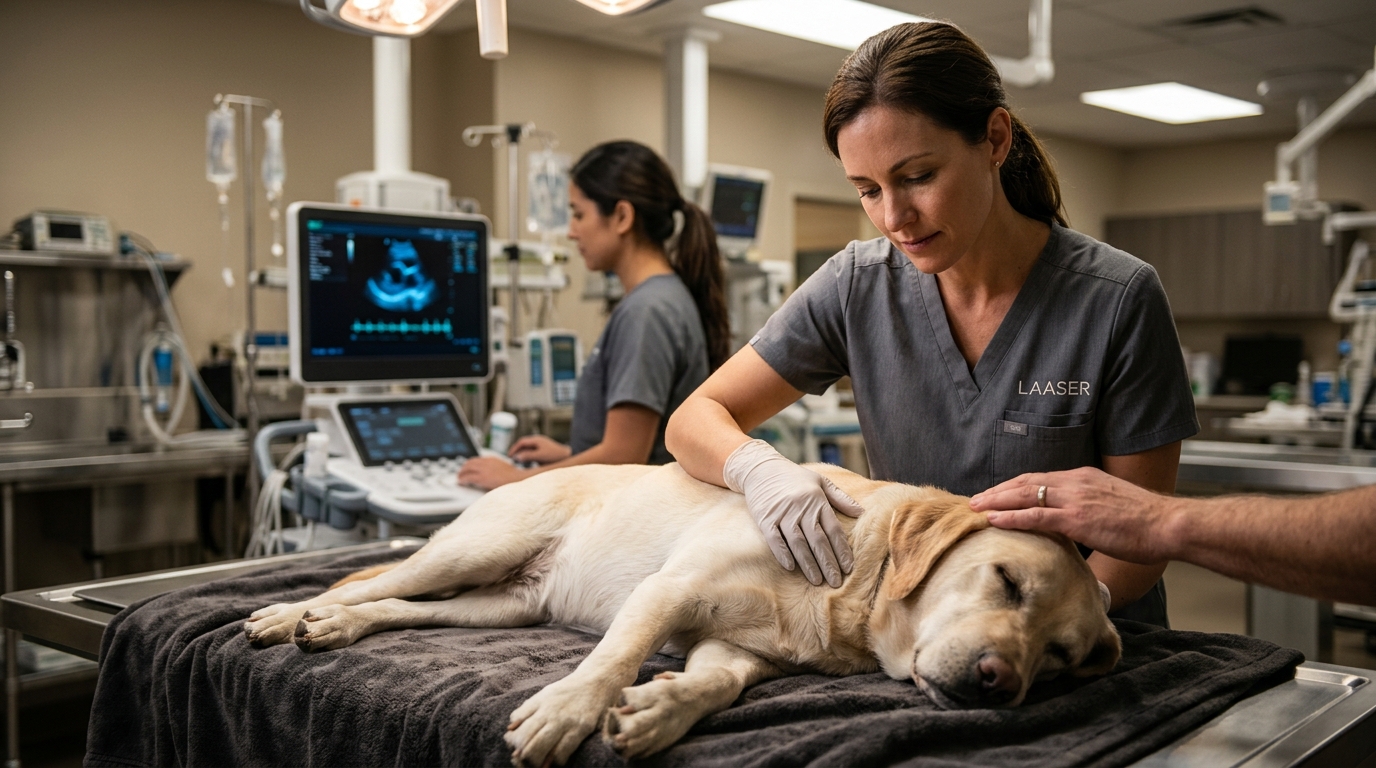
When a senior dog presents with signs of internal bleeding, such as pale gums, weakness, or abdominal distension, the first step is rapid diagnosis. At a facility like Los Angeles Animal Specialty Emergency & Rehabilitation, the diagnostic phase is intensive and expensive. Standard emergency blood work, including a complete blood count (CBC) and chemistry panel, typically ranges from $300 to $600. These tests are vital for assessing organ function and the severity of blood loss.
However, blood work alone rarely identifies the source of internal hemorrhage. Advanced imaging is required. Ultrasound examinations, which allow veterinarians to visualize internal organs in real-time, cost between $400 and $800. For senior dogs, where tumors or organ failure are common suspects, a CT scan or MRI may be necessary. These high-tech imaging modalities are significantly more costly, often ranging from $1,500 to $3,000 per scan. The use of neurology and MRI services ensures precise localization of bleeding sources, particularly if the abdomen or thorax is involved.
The cost of diagnostics is driven by the need for speed and accuracy. In emergency medicine, time is tissue. Delays in imaging can lead to irreversible shock or organ damage. Therefore, hospitals charge a premium for the immediate availability of radiologists and specialized technicians. This phase of treatment is purely diagnostic, yet it often accounts for 30 to 40 percent of the total initial bill.
Surgical and Procedural Costs
If diagnostics confirm internal bleeding, surgery is often the only viable treatment. Emergency surgeries for senior dogs are complex due to their reduced physiological reserve. The cost of emergency surgery typically starts at $2,000 and can easily exceed $8,000 depending on the procedure's complexity. For example, a splenectomy (removal of the spleen) due to a tumor rupture may cost between $3,000 and $5,000. A liver lobe resection or repair of a ruptured bladder can push costs higher.
Senior dogs require specialized anesthetic monitoring during surgery. Surgery at a 24-hour hospital involves board-certified surgeons and anesthesiologists who monitor heart rate, blood pressure, and oxygen saturation every few minutes. This level of monitoring is critical because older dogs are more susceptible to anesthesia complications. The surgeon's fee alone can range from $1,500 to $4,000, excluding the costs of surgical supplies, implants, and blood products.
Blood transfusions are frequently required during or after surgery to stabilize the patient. The cost for a unit of whole blood or packed red blood cells, including the necessary cross-matching and screening, is approximately $200 to $400 per unit. A senior dog may require multiple units, adding significantly to the final bill. The use of internal medicine specialists often complements surgical care, ensuring that underlying conditions like clotting disorders are managed concurrently.
Critical Care and Hospitalization Fees
Post-operative care for internal bleeding is intensive. Senior dogs often require admission to a critical care unit for continuous monitoring. The daily cost for critical care hospitalization ranges from $300 to $800 per day. This fee covers the nursing staff, intensive monitoring equipment, and ongoing medication.
Medications for pain management, antibiotics, and anti-nausea drugs add to the daily cost. Intravenous fluid therapy is essential to maintain blood pressure and organ perfusion. The cost for fluids and administration is typically included in the daily hospitalization fee but can increase if specialized electrolyte balances are required. The duration of hospitalization varies widely. A stable patient may be discharged in 2 to 3 days, while a complex case may require a week or more of inpatient care.
The emergency team at LAASER is trained to manage these critical transitions. They provide 24/7 oversight, ensuring that any sudden changes in the dog's condition are addressed immediately. This continuous care is a major factor in the high cost of emergency hospitalization but is indispensable for the survival of senior dogs with internal hemorrhage.
Specialty Department Contributions
Senior dogs often present with comorbidities that complicate emergency treatment. For instance, a dog with pre-existing heart disease may require cardiology consultation during the emergency visit. Cardiology consults can add $500 to $1,500 to the bill, depending on the complexity of the assessment. Similarly, if the bleeding is related to a neurological issue or spinal injury, neurology and neurosurgery specialists may be involved, further increasing costs.
Rehabilitation is another critical component for senior dogs recovering from major surgery. Rehabilitation and integrative medicine services, including physical therapy and acupuncture, can help restore mobility and reduce pain. While these services are often outpatient, initial assessments and early intervention plans can add $200 to $500 per session. Integrating these services early can improve long-term outcomes, even if it increases short-term costs.
Payment and Insurance Considerations
The financial impact of emergency internal bleeding treatment can be devastating for pet owners. It is crucial to have a plan in place before an emergency occurs. Many pet owners rely on pet insurance, but coverage varies widely. Some policies cover emergency visits fully, while others have deductibles and co-pays that leave the owner with significant out-of-pocket expenses.
For those without insurance, payment plans are often available. Payments can be arranged through third-party financing services like CareCredit or Scratchpay. These services allow owners to break down large bills into monthly installments, though interest rates may apply. It is important to discuss financial options with the hospital's client services team as soon as possible.
Understanding the cost breakdown helps in making informed decisions. Below is a summary of typical costs associated with emergency internal bleeding treatment for senior dogs.
| Service Category | Estimated Cost Range | Notes |
|---|---|---|
| Emergency Triage & Exam | $150 - $300 | Initial assessment and triage fee. |
| Diagnostic Blood Work | $300 - $600 | CBC, chemistry panel, and clotting tests. |
| Ultrasound Imaging | $400 - $800 | Real-time visualization of internal organs. |
| CT/MRI Scan | $1,500 - $3,000 | Advanced imaging for complex cases. |
| Emergency Surgery | $2,000 - $8,000+ | Depends on procedure complexity and duration. |
| Critical Care Hospitalization | $300 - $800/day | Includes nursing, monitoring, and fluids. |
| Blood Transfusion | $200 - $400/unit | Cost per unit of blood product. |
Key Takeaways
- Emergency internal bleeding treatment for senior dogs typically costs between $1,500 and $10,000+, depending on the need for surgery and imaging.
- Advanced diagnostics like CT scans and MRIs are often necessary for accurate diagnosis and can cost up to $3,000 per scan.
- Critical care hospitalization fees range from $300 to $800 per day, reflecting the intensive nursing and monitoring required.
- Specialty departments, including cardiology and neurology, may be consulted, adding $500 to $1,500 to the total bill.
- Payment plans through services like CareCredit are available to help manage the financial burden of emergency care.
- LAASER provides 24/7 emergency services, ensuring immediate access to board-certified specialists for critical cases.
- Early intervention and comprehensive diagnostics are crucial for improving survival rates in senior dogs with internal hemorrhage.
Frequently Asked Questions
How much does emergency surgery for internal bleeding cost?
Emergency surgery for internal bleeding in senior dogs typically ranges from $2,000 to $8,000 or more. The final cost depends on the complexity of the procedure, the duration of the surgery, and the need for blood transfusions or specialized monitoring.
Do I need a referral to see a specialist at LAASER?
For emergency visits, no referral is necessary. You can bring your pet directly to the hospital at any time. For specialty consultations, such as cardiology or neurology, a referral from your primary care veterinarian is often helpful but not always required for emergency stabilization.
What are the signs of internal bleeding in senior dogs?
Common signs include pale gums, weakness, lethargy, abdominal distension, rapid breathing, and collapse. If you observe these symptoms, seek immediate veterinary care at a 24-hour hospital.
Does pet insurance cover emergency internal bleeding treatment?
Most pet insurance plans cover emergency visits and surgeries, but coverage limits, deductibles, and co-pays vary. It is essential to review your policy details or contact your provider to understand your specific coverage for emergency care.
How long does a senior dog stay in the hospital for internal bleeding?
The length of stay varies based on the severity of the condition and the response to treatment. Stable patients may be discharged in 2 to 3 days, while complex cases may require a week or more of intensive care.
What is the role of rehabilitation in recovery?
Rehabilitation helps senior dogs regain strength and mobility after major surgery. Services like physical therapy and acupuncture can reduce pain and improve recovery outcomes, though they are often provided on an outpatient basis.
Can I pay for emergency care in installments?
Yes, many 24-hour veterinary hospitals offer payment plans through third-party financing services like CareCredit or Scratchpay. These services allow you to break down large bills into manageable monthly payments.
Take Action for Your Pet's Health
If your senior dog is showing signs of internal bleeding, do not wait. Immediate action can save their life. Contact Los Angeles Animal Specialty Emergency & Rehabilitation at (323) 800-VETS (8387) or visit our hospital at 2500 N San Fernando Rd, Los Angeles, CA 90065. Our team of board-certified specialists is available 24/7 to provide the critical care your pet needs.