
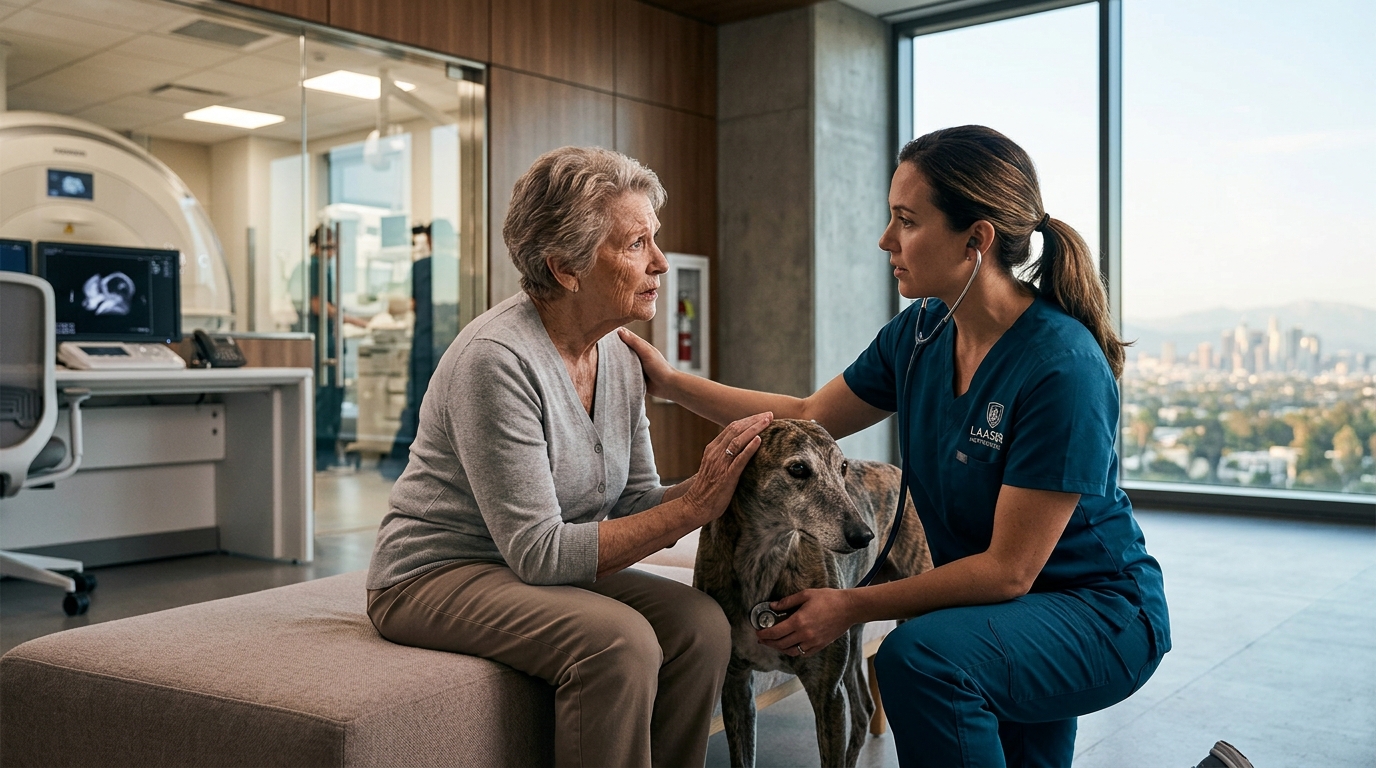
Where Can I Find a Specialty Veterinary Hospital in Los Angeles?
When your pet faces a critical health crisis, time is the most valuable resource you have. In Los Angeles, the average emergency veterinary visit involves complex diagnostics that go far beyond standard primary care. According to recent industry data, over 10 million pets visit emergency clinics annually in the United States, with a significant portion requiring specialized intervention for neurological, cardiac, or surgical issues. Finding the right facility means locating a hospital equipped with state-of-the-art MRI technology, 24/7 critical care monitoring, and board-certified specialists who can provide immediate, life-saving treatment.
Understanding Specialty Veterinary Care
Primary care veterinarians are essential for routine checkups, vaccinations, and general wellness. However, specialty veterinary care is defined as advanced medical treatment provided by board-certified veterinarians who have completed additional years of rigorous training in specific fields such as neurology, cardiology, or surgery. This level of care is crucial for complex conditions that require diagnostic precision and specialized equipment not typically found in general practices.
In a major metropolitan hub like Los Angeles, the demand for these services is high. Pets in the region face unique health challenges, from traffic-related injuries to breed-specific genetic conditions. A specialty hospital bridges the gap between general diagnosis and advanced therapeutic intervention. These facilities operate as referral centers, often working in tandem with local primary care clinics to ensure seamless continuity of care for your pet.
When you seek a specialty hospital, you are accessing a multidisciplinary team. This includes emergency medicine specialists who manage acute trauma, internal medicine doctors who diagnose complex systemic diseases, and surgeons who perform intricate procedures. The integration of these specialties under one roof allows for rapid decision-making and comprehensive treatment plans.
Key Services Offered in Los Angeles
Los Angeles is home to several high-tier veterinary facilities, but not all offer the full spectrum of specialty services. The most advanced hospitals provide a combination of emergency care, neurology, and rehabilitation. Understanding these services helps you determine which facility aligns with your pet's specific needs.
Emergency and Critical Care
Emergency medicine is the cornerstone of specialty veterinary hospitals. These facilities are open 24 hours a day, 365 days a year, ready to handle acute trauma, poisoning, respiratory distress, and severe allergic reactions. Critical care is defined as intensive monitoring and support for pets with life-threatening conditions, often involving ventilators, intravenous fluid therapy, and continuous blood pressure monitoring.
In Los Angeles, traffic congestion can make timely access to care difficult. Choosing a hospital with a strategic location and efficient intake protocols is vital. Facilities like Los Angeles Animal Specialty Emergency & Rehabilitation (LAASER) are designed to minimize wait times and maximize the speed of diagnostic imaging and treatment initiation.
Neurology and MRI Diagnostics
Neurological conditions, such as intervertebral disc disease, seizures, or brain tumors, require precise imaging for accurate diagnosis. Neurology is the branch of veterinary medicine that focuses on the diagnosis and treatment of disorders of the nervous system, including the brain, spinal cord, and nerves. Without advanced imaging, such as Magnetic Resonance Imaging (MRI), many neurological issues remain undiagnosed or misdiagnosed in general practices.
Having an on-site MRI allows specialists to visualize soft tissue structures with high resolution. This capability is critical for planning surgeries or determining the prognosis of neurological diseases. Los Angeles residents benefit from having access to this technology locally, avoiding the need to transport unstable pets to distant facilities.

Surgery and Rehabilitation
Advanced surgery in Los Angeles encompasses orthopedic procedures, soft tissue surgeries, and neurosurgery. Post-operative care is equally important. Rehabilitation is defined as a therapeutic process using physical exercises, hydrotherapy, and other modalities to restore function and mobility after surgery or injury.
Integrative medicine approaches combine traditional surgical care with rehabilitation services. This holistic model ensures that pets not only survive their procedures but also recover with a high quality of life. Facilities that offer in-house rehabilitation can monitor progress daily, adjusting therapy plans in real-time based on the pet's response.
Choosing the Right Hospital
With multiple options available, selecting the best specialty hospital requires evaluating several critical factors. You must consider the range of services, the qualifications of the staff, and the facility's operational capabilities.
| Feature | General Emergency Clinic | Specialty Hospital (e.g., LAASER) |
|---|---|---|
| Staffing | General practitioners and technicians | Board-certified specialists in multiple fields |
| Imaging | X-ray only | X-ray, Ultrasound, and On-site MRI |
| Hours | 24/7 Availability | 24/7 Availability with Critical Care Focus |
| Rehabilitation | Referral to external clinics | In-house integrative medicine programs |
| Complex Cases | Stabilization and referral | Comprehensive diagnosis and treatment |
When evaluating hospitals, look for those that emphasize mission-driven care and transparency. The best facilities provide clear communication between specialists and primary care veterinarians, ensuring that your pet's long-term health is managed effectively after the emergency phase.
Emergency Procedures and Access
If you suspect your pet is experiencing a medical emergency, immediate action is required. Symptoms such as difficulty breathing, collapse, severe bleeding, or seizures demand urgent attention. In Los Angeles, navigating to a specialty hospital can be challenging during peak traffic hours. Emergency access is defined as the ability to receive immediate medical evaluation and stabilization without prior appointment, available at all hours.
Many specialty hospitals, including LAASER, are located in accessible areas of Los Angeles, such as near the 134 Freeway. They provide clear directions and dedicated phone lines for urgent inquiries. It is advisable to save the hospital's contact information in your phone before a crisis occurs.
For pet owners, understanding the intake process is helpful. Upon arrival, a triage team will assess the severity of the condition. Critical cases are prioritized for immediate stabilization. Non-critical cases may wait for an examination slot. Being prepared with your pet's medical history and current medications can significantly speed up this process.
Cost and Insurance Considerations
Specialty care often involves higher costs due to the use of advanced technology and specialized staff. However, the value lies in the accuracy of diagnosis and the avoidance of repeated, ineffective treatments. Financial transparency is defined as the clear disclosure of estimated costs, payment options, and insurance acceptance policies before treatment begins.
Many Los Angeles specialty hospitals accept pet insurance. It is crucial to contact your insurance provider and the hospital's financial team to understand coverage limits and pre-authorization requirements. Facilities like LAASER offer flexible payment plans and work with major pet insurance providers to ease the financial burden during stressful times.
Understanding the cost structure helps you make informed decisions. While general emergency care might be less expensive initially, the need for subsequent referrals to specialists can increase overall costs. Choosing a comprehensive specialty hospital from the outset can be more cost-effective for complex conditions.
Key Takeaways
- Specialty hospitals provide board-certified care in neurology, cardiology, and surgery, which is essential for complex pet health issues.
- On-site MRI technology is a critical differentiator, allowing for precise diagnosis of neurological and spinal conditions without transferring unstable patients.
- 24/7 emergency availability ensures that pets receive immediate stabilization during critical events, regardless of the time of day.
- Integrative rehabilitation services are vital for post-surgical recovery, helping pets regain mobility and quality of life faster.
- Los Angeles Animal Specialty Emergency & Rehabilitation (LAASER) is a leading facility located at 2500 N San Fernando Rd, offering comprehensive specialty care.
- Financial options such as payment plans and pet insurance acceptance are widely available to manage the costs of advanced veterinary care.
- Referral networks between primary care vets and specialty hospitals ensure continuity of care for your pet's long-term health.
Frequently Asked Questions
What is the difference between an emergency vet and a specialty hospital?
Emergency vets focus on stabilization and immediate life-saving interventions. Specialty hospitals, like LAASER, offer advanced diagnostics such as MRI and board-certified specialists for complex conditions that require long-term management or intricate surgery.
Do I need a referral to see a specialist in Los Angeles?
While many primary care veterinarians provide referrals, most specialty hospitals in Los Angeles accept direct visits from pet owners during emergencies. You can contact the hospital directly for urgent cases.
What types of conditions require a neurologist?
Conditions such as seizures, paralysis, loss of coordination, head tilts, and suspected spinal cord injuries require neurological evaluation. Advanced imaging like MRI is often necessary for accurate diagnosis.
Is pet insurance accepted at specialty hospitals?
Yes, most specialty hospitals in Los Angeles accept major pet insurance providers. It is recommended to verify coverage details with both your insurance company and the hospital's financial department.
How do I prepare for a visit to a specialty hospital?
Bring your pet's medical records, a list of current medications, and any relevant test results from your primary care vet. For emergencies, have a carrier or leash ready and stay calm to help your pet.
What are the hours of operation for specialty emergency care?
Specialty emergency hospitals typically operate 24 hours a day, 7 days a week, 365 days a year to accommodate urgent medical needs at any time.
Does the hospital offer rehabilitation services?
Many top-tier specialty hospitals, including LAASER, offer in-house rehabilitation and integrative medicine to support post-surgical recovery and chronic pain management.
Contact LAASER
If you are searching for a reliable specialty veterinary hospital in Los Angeles, Los Angeles Animal Specialty Emergency & Rehabilitation is here to help. Our team of board-certified specialists is dedicated to providing the highest level of care for your pet. Whether you need emergency stabilization, advanced neurology diagnostics, or post-operative rehabilitation, we are equipped to handle your pet's needs.
For immediate assistance, please call 323-800-VETS (8387). You can also visit our contact page for directions and additional information. We are located at 2500 N San Fernando Rd, Los Angeles, CA 90065. Trust our experts to guide your pet toward a healthier future.