
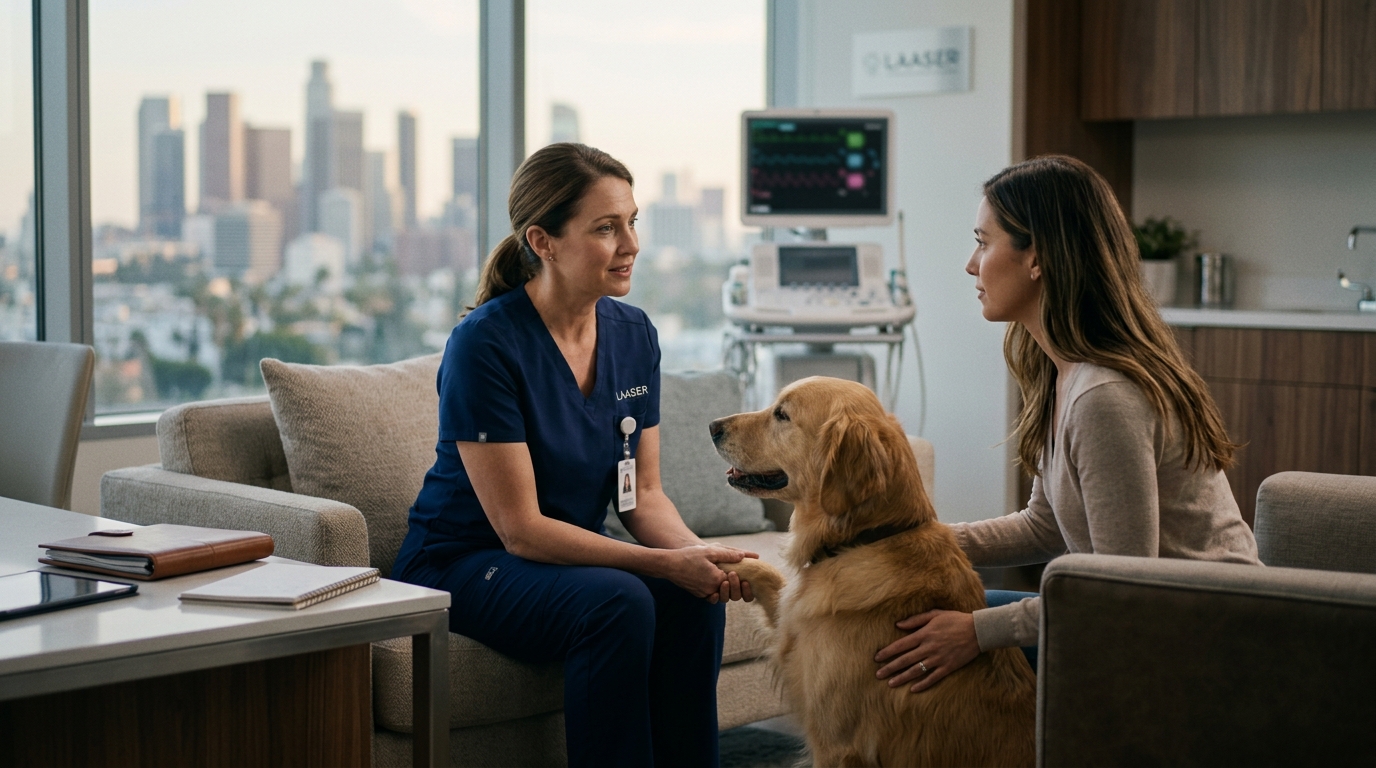
Where Can I Find a Specialty Veterinary Hospital in Los Angeles?
Los Angeles is home to one of the most dense populations of companion animals in the United States, creating a critical need for advanced medical infrastructure. According to recent industry data, the demand for board-certified specialists in major metropolitan areas has grown significantly, with emergency and critical care facilities serving as the backbone of regional animal health. When your pet faces a life-threatening condition or a complex chronic illness, knowing where to find a specialty veterinary hospital in Los Angeles is not just a logistical question, it is a medical imperative. This guide details the specific capabilities, credentials, and operational standards you must evaluate to ensure your pet receives world-class care.
Understanding 24/7 Emergency Readiness
The most defining characteristic of a true specialty hospital is its availability. General veterinary clinics typically operate during standard business hours, leaving pet owners with limited options during nights, weekends, and holidays. In contrast, a specialty emergency hospital operates 24 hours a day, 7 days a week, 365 days a year. This continuous availability is vital because medical crises do not adhere to a schedule.
When you call a facility like Los Angeles Animal Specialty Emergency & Rehabilitation (LAASER), you are connecting with a team of experienced emergency veterinarians who are trained to handle life-threatening conditions immediately. The concept of triage is central to this model. Patients are assessed and treated in order of severity, ensuring that those in critical distress receive immediate attention. This operational structure requires a robust infrastructure, including advanced diagnostic tools and a staff of board-certified specialists who are available on-site at all times.
For pet owners, this means that regardless of the hour, expert care is accessible. The ability to provide critical medical care without delay can be the difference between life and death for pets suffering from trauma, toxic ingestion, or acute organ failure. Understanding this readiness is the first step in identifying the right facility for your needs.
Core Specialty Departments to Look For
Not all veterinary hospitals offer the same depth of care. A true specialty hospital houses multiple distinct departments, each led by experts who have completed rigorous postgraduate training. When searching for a specialty veterinary hospital in Los Angeles, you should look for a facility that integrates the following core departments:
Neurology and Neurosurgery
Neurological conditions, such as seizures, spinal cord injuries, or brain tumors, require precise diagnosis and specialized surgical intervention. Neurology and neurosurgery departments utilize advanced imaging to map the nervous system and plan complex procedures. The presence of a board-certified neurologist ensures that your pet receives care tailored to the intricacies of the central and peripheral nervous systems.
Cardiology
Heart conditions in pets can be subtle yet deadly. Cardiology specialists focus on diagnosing and managing heart disease through echocardiograms, electrocardiograms, and specialized medication protocols. This department is crucial for pets with congenital defects or acquired heart conditions that require monitoring beyond the scope of general practice.

Internal Medicine
Internal medicine addresses complex systemic diseases affecting the digestive, respiratory, and endocrine systems. Specialists in this field excel at diagnosing elusive conditions that general practitioners may struggle to identify. They provide comprehensive management plans for chronic illnesses, ensuring long-term quality of life for the patient.
Rehabilitation and Integrative Medicine
Recovery does not end at surgery. Rehabilitation services, including physical therapy and acupuncture, are essential for post-operative care and chronic pain management. Rehabilitation and integrative medicine helps pets regain mobility and strength, significantly improving their overall well-being and recovery speed.
Evaluating Veterinarian Credentials
The quality of care is directly tied to the qualifications of the veterinarians on staff. When evaluating a specialty hospital, you must look for board-certified specialists. These veterinarians have completed additional years of rigorous training and have passed comprehensive examinations in their respective fields. For example, a veterinarian with the designation DACVIM (Neurology) has demonstrated expert-level knowledge in veterinary internal medicine with a focus on neurology.
At LAASER, the team includes doctors who are board-certified in emergency and critical care, internal medicine, neurology and neurosurgery, dentistry, cardiology, anesthesiology, and surgery. This depth of expertise ensures that every aspect of your pet's health is managed by a true expert. General practitioners play a vital role in primary care, but they refer complex cases to these specialists to ensure the highest standard of treatment.
Understanding these credentials helps you distinguish between a general clinic that offers some advanced services and a true specialty hospital dedicated to complex medical care. The presence of multiple board-certified specialists across different disciplines is a key indicator of a facility's capability to handle diverse and challenging medical scenarios.
Diagnostic Technology and MRI Access
Advanced medicine requires advanced technology. A specialty veterinary hospital in Los Angeles must be equipped with state-of-the-art diagnostic tools to accurately identify and treat diseases. This includes high-resolution digital radiography, advanced ultrasound, and critically, on-site Magnetic Resonance Imaging (MRI).
MRI technology is indispensable for neurological and orthopedic diagnostics. It provides detailed images of soft tissues, the brain, and the spinal cord, allowing specialists to detect abnormalities that other imaging methods might miss. The ability to perform MRI scans on-site eliminates the need to transport unstable patients to external facilities, reducing stress and risk for the animal.
Furthermore, modern specialty hospitals utilize advanced surgical suites with specialized equipment for minimally invasive procedures. These technological advantages allow for faster recovery times and improved outcomes. When you visit a facility like LAASER, you gain access to this high-tech infrastructure, ensuring that your pet benefits from the latest advancements in veterinary medicine.
Service Comparison: General vs. Specialty Care
Understanding the differences between general veterinary care and specialty care helps clarify when a referral is necessary. The table below outlines the key distinctions:
| Feature | General Veterinary Clinic | Specialty Hospital (e.g., LAASER) |
|---|---|---|
| Availability | Standard business hours | 24/7/365 Emergency Coverage |
| Staff Credentials | General Practitioners (DVM) | Board-Certified Specialists (DACVIM, DACVS, etc.) |
| Diagnostic Tools | Radiography, Basic Ultrasound | MRI, Advanced Cardiac Monitoring, Specialized Labs |
| Scope of Care | Routine Care, Minor Emergencies | Complex Surgery, Critical Care, Neurology, Cardiology |
| Referral Process | Direct Access | Often Requires Referral or Direct ER Visit |
This comparison highlights why a specialty hospital is essential for complex cases. While general clinics are excellent for routine check-ups and vaccinations, they lack the specialized staff and technology required for critical interventions. Recognizing this distinction ensures that you seek the appropriate level of care at the right time.
Key Takeaways for Pet Parents
- 24/7 Availability is Critical: Emergency medical crises can happen at any time. A specialty hospital like LAASER provides continuous care, ensuring your pet is never without expert attention.
- Board-Certified Specialists: Look for veterinarians with specific board certifications in fields like neurology, cardiology, and surgery. These credentials indicate advanced training and expertise.
- On-Site MRI and Diagnostics: Access to advanced imaging, particularly MRI, is a hallmark of top-tier specialty hospitals, allowing for precise diagnosis of neurological and orthopedic issues.
- Integrated Care Model: The best facilities integrate emergency, critical care, and rehabilitation services, providing a seamless continuum of care from acute crisis to long-term recovery.
- Referral Network: Many specialty hospitals work closely with general practitioners. Building a relationship with both your primary vet and a specialty hospital ensures coordinated care.
- Triage Protocols: Understand that emergency visits are handled by severity. If your pet is in critical distress, immediate evaluation is prioritized.
- Location and Accessibility: For Los Angeles residents, proximity to a facility like LAASER at 2500 N San Fernando Rd can significantly impact response times during an emergency.
Frequently Asked Questions
What is the difference between an emergency vet and a specialty hospital?
While both handle urgent cases, a specialty hospital houses board-certified specialists in fields like neurology, cardiology, and internal medicine. They offer advanced diagnostics, such as MRI, and complex surgical capabilities that general emergency clinics typically do not possess.
Do I need a referral to see a specialist at LAASER?
For emergency cases, you can visit directly. For specialty consultations, it is often recommended to fill out a registration form beforehand to streamline the process. Your primary veterinarian can also facilitate a referral to ensure your medical records are transferred efficiently.
What types of conditions does the neurology department treat?
The neurology department treats conditions affecting the brain and spinal cord, including seizures, intervertebral disc disease, brain tumors, and vestibular disease. Specialists use advanced imaging to diagnose these complex issues.
How does rehabilitation help my pet after surgery?
Rehabilitation and integrative medicine, including physical therapy and acupuncture, help reduce pain, improve mobility, and accelerate healing. This service is crucial for pets recovering from orthopedic or neurological surgeries.
What should I do if my pet has a medical emergency at night?
If your pet is experiencing a medical emergency, call 323-800-VETS (8387) immediately. LAASER is open 24/7, and a triage technician will guide you through the next steps and check your pet in upon arrival.
Does LAASER offer services for pets with chronic illnesses?
Yes, the internal medicine and cardiology departments specialize in managing chronic conditions. They provide long-term care plans, medication management, and regular monitoring to maintain your pet's quality of life.
How can I access my pet's medical records?
LAASER offers an online Pet Parent Portal where clients can request medical records, refill prescriptions, and communicate with the medical team securely.
Contacting LAASER for Care
Finding the right specialty veterinary hospital in Los Angeles requires careful consideration of credentials, technology, and availability. Los Angeles Animal Specialty Emergency & Rehabilitation stands out as a premier destination for advanced pet care, offering a comprehensive suite of services under one roof. From 24/7 emergency coverage to specialized neurology and cardiology, the team at LAASER is dedicated to providing the highest level of medical expertise and compassionate care.
If you are seeking a referral, need an emergency evaluation, or wish to schedule a specialty consultation, do not wait. Contact the hospital directly to discuss your pet's needs. You can reach the team at 323-800-VETS (8387) or visit their location at 2500 N San Fernando Rd, Los Angeles, CA 90065. For new clients, please complete the client registration form to ensure a smooth and efficient experience. Your pet's health deserves the best, and LAASER is here to deliver it.