
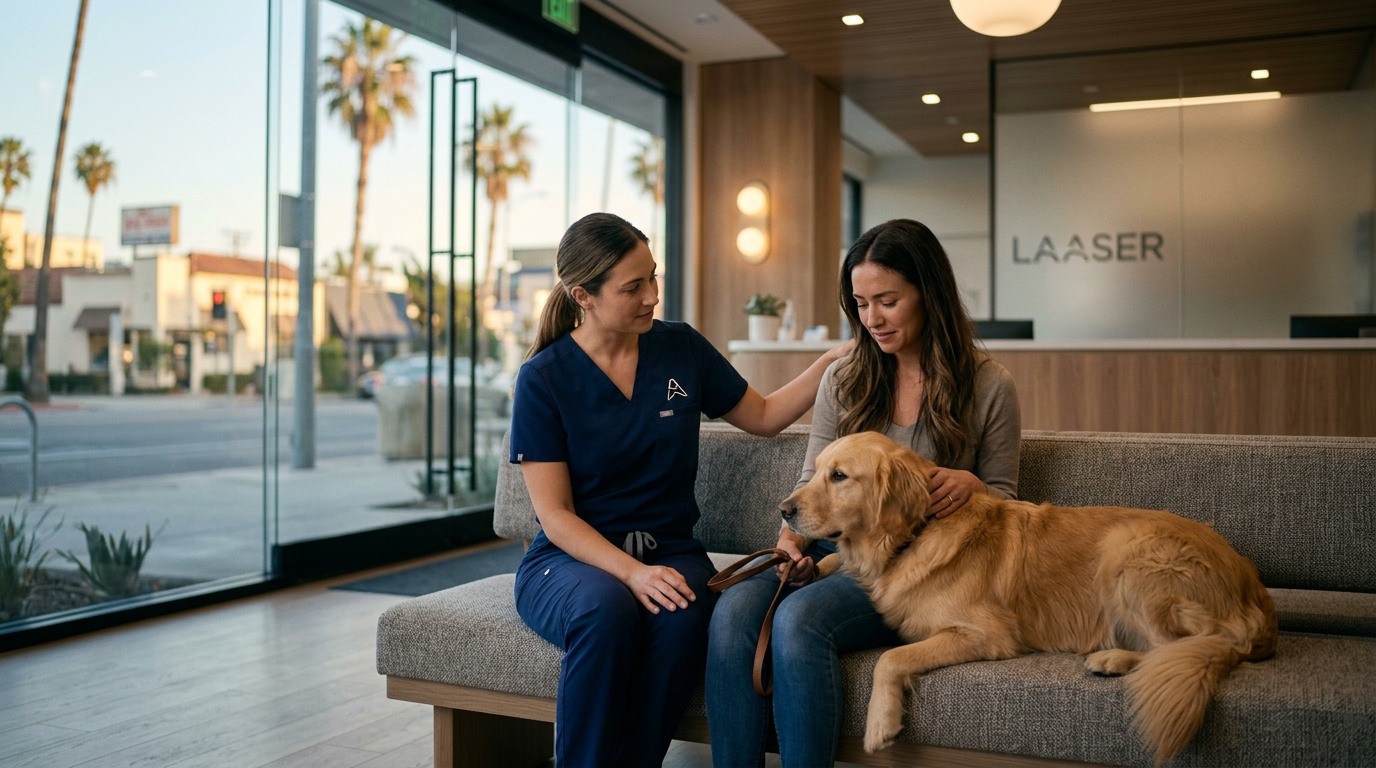
When a pet faces a life-threatening crisis in Los Angeles, time is the most critical factor. According to the American Veterinary Medical Association, emergency veterinary visits have increased by over 20% in major metropolitan areas over the last decade, highlighting the growing need for accessible urgent care. However, an emergency room is only the first step. Many pet owners do not realize that the best facilities bridge the gap between immediate stabilization and long-term recovery through on-site specialty services. This guide explores how to identify a facility that offers both rapid emergency response and advanced specialty care, ensuring your pet receives seamless, high-level treatment without the stress of multiple transfers. (Contact Us)
Understanding Emergency vs. Specialty Care
It is essential to distinguish between emergency medicine and specialty medicine. Emergency medicine is the immediate stabilization of acute conditions, such as trauma, poisoning, or severe bleeding. The goal is to save the patient's life in the first few hours. Specialty medicine involves advanced diagnostics and treatments that require specialized equipment and board-certified veterinarians. These specialists include cardiologists, oncologists, neurologists, and surgeons.
Many traditional emergency clinics are standalone facilities. They stabilize the pet and then refer them to a specialist elsewhere. This process can delay critical treatment and increase stress for the animal. A facility that offers both services under one roof eliminates this gap. It allows for immediate consultation with a specialist while the patient is still in the acute phase. This integration is particularly vital for complex cases like broken bones, heart failure, or suspected tumors.
At Laaser Veterinary Hospital, we prioritize this continuum of care. We understand that a pet's condition can change rapidly. Having specialists available ensures that the transition from emergency stabilization to definitive treatment is smooth and immediate. This approach reduces the risk of complications and improves overall outcomes for pets in Los Angeles.
Why Integrated Care Matters in Los Angeles
Los Angeles is a sprawling city with significant traffic challenges. Transferring a pet from an emergency clinic to a specialty hospital can take hours. During this time, a pet's condition may deteriorate. Integrated care facilities solve this logistical problem. They provide a single location for all medical needs, from the initial ambulance drop-off to post-operative recovery.
Data shows that pets who receive immediate specialist consultation have shorter hospital stays and lower mortality rates. According to recent veterinary studies, early intervention by specialists in trauma cases can reduce recovery time by up to 30%. This statistic underscores the importance of choosing a hospital that does not just treat symptoms but addresses the root cause with advanced expertise.
Furthermore, integrated care reduces financial and emotional burden. Pet owners do not need to coordinate multiple appointments or travel between different locations. They work with one team of experts who communicate directly. This collaboration ensures that the emergency veterinarian and the specialist are aligned on the treatment plan. It creates a unified strategy for your pet's health.
For more information on the benefits of specialized veterinary care, you can read about emergency care guidelines from the American Veterinary Medical Association. Additionally, understanding dog emergency protocols can help owners prepare for unexpected events.
Key Services Offered by Top Facilities
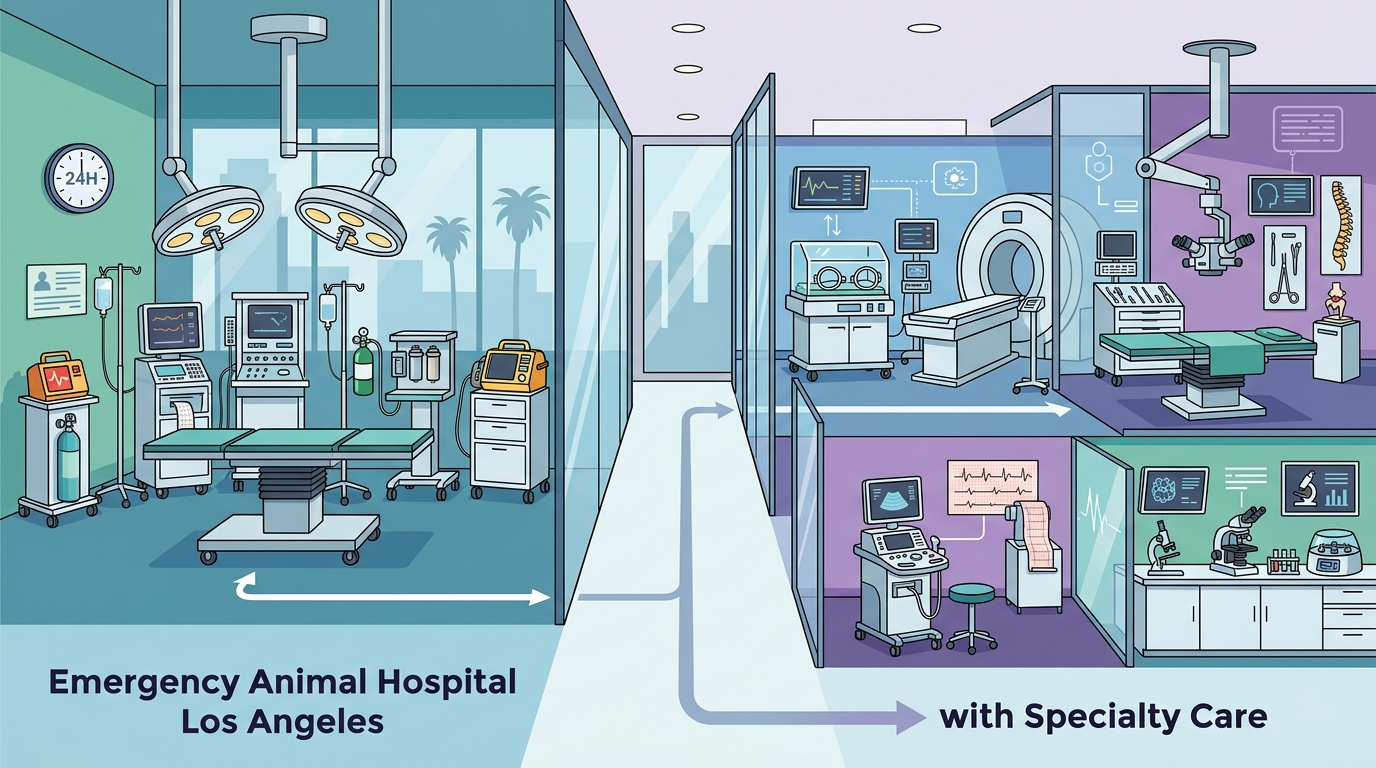
When evaluating an emergency hospital with specialty care, look for specific capabilities. Not all facilities offer the same range of services. The best hospitals provide comprehensive diagnostics and therapeutic options. These include advanced imaging, surgical suites, and intensive care units.
Advanced Diagnostics
Immediate access to diagnostic tools is crucial. This includes digital radiography, ultrasound, and computed tomography (CT) scans. CT scans are particularly valuable for detecting internal bleeding, fractures, and neurological issues. They provide detailed images that standard X-rays cannot. A facility with on-site CT capabilities can diagnose complex conditions faster.
Specialty Surgery
Emergency surgery is often required for trauma cases. This includes orthopedic surgery for broken bones, soft tissue surgery for wounds, and neurosurgery for spinal issues. Board-certified surgeons should be available 24/7. They use minimally invasive techniques when possible to reduce recovery time. At Laaser Veterinary Hospital, we offer advanced surgical options tailored to each pet's needs.
Intensive Care Unit (ICU)
Post-operative or critical care requires a dedicated ICU. This unit provides continuous monitoring of vital signs, oxygen therapy, and intravenous fluid administration. Nurses trained in critical care manage these patients around the clock. The ICU environment is designed to minimize stress and maximize comfort. It is the bridge between emergency stabilization and long-term recovery.
For details on veterinary intensive care standards, consult professional veterinary resources. Understanding pet emergency preparedness is also essential for all owners.
Choosing the Right Facility
Selecting the right hospital involves evaluating several factors. Consider the range of services, the qualifications of the staff, and the facility's hours of operation. It is also important to check if the hospital accepts pet insurance and offers payment plans.
| Feature | Standard Emergency Clinic | Integrated Specialty Hospital |
|---|---|---|
| Specialist Access | Referral required | On-site immediate access |
| Diagnostics | Basic X-ray and ultrasound | CT scans, advanced labs |
| Surgery | General emergency surgery | Board-certified specialists |
| Continuity of Care | Fragmented across locations | Unified team approach |
| Recovery | Home or separate facility | On-site ICU and rehab |
As seen in the table above, integrated hospitals offer significant advantages. They provide a seamless experience from crisis to recovery. This is particularly important for pets with complex medical histories. A unified team can review past records and adjust treatment plans instantly.
When visiting a facility, ask about their referral network. Even the best hospitals may need to consult with external experts for rare conditions. However, the primary care should remain on-site. This ensures consistency and reduces the risk of errors during handoffs.
Key Takeaways
- Integrated care combines emergency stabilization with immediate specialty consultation, reducing treatment delays.
- Los Angeles traffic makes on-site specialty care critical for timely intervention in critical cases.
- Advanced diagnostics like CT scans are essential for accurate diagnosis of internal trauma and neurological issues.
- Board-certified specialists provide higher levels of care for complex surgeries and chronic conditions.
- On-site ICU units ensure continuous monitoring and support during the critical recovery phase.
- Choosing a facility with a unified team improves communication and reduces stress for pet owners.
- Laaser Veterinary Hospital offers comprehensive emergency and specialty services for pets in Los Angeles.
Frequently Asked Questions
What is the difference between an emergency vet and a specialist?
An emergency veterinarian focuses on stabilizing acute, life-threatening conditions. A specialist has advanced training in a specific area, such as cardiology or oncology. Integrated facilities have both on-site, allowing for immediate specialist input during emergencies.
How quickly can a specialist see my pet in an emergency?
In an integrated facility, a specialist can often be consulted within minutes of arrival. This immediate access allows for faster decision-making and treatment initiation. In traditional clinics, this process can take hours due to referral coordination.
Do you accept pet insurance for emergency visits?
Yes, most integrated hospitals accept pet insurance. It is advisable to contact your insurance provider beforehand to understand your coverage. Laaser Veterinary Hospital works with many major insurance providers to facilitate claims.
What types of emergencies do you handle?
We handle a wide range of emergencies, including trauma, poisoning, difficulty breathing, seizures, and severe vomiting. Our team is equipped to manage any acute condition requiring immediate attention.
Is surgery available 24/7?
Yes, emergency surgery is available around the clock. Our board-certified surgeons are on-call to perform necessary procedures at any time. This ensures that your pet receives timely surgical intervention when needed.
How do I prepare for an emergency visit?
Keep a list of your pet's medications and medical history handy. If possible, bring a sample of any ingested substance. Stay calm and follow the instructions of the veterinary team. Your cooperation helps us provide the best care.
What is the cost of emergency care?
Costs vary based on the severity of the condition and the services required. We provide transparent estimates before treatment begins. We also offer payment plans to help manage unexpected expenses.
Contact Us
If your pet is experiencing a medical emergency, do not wait. Time is critical. Contact Laaser Veterinary Hospital immediately. Our team of emergency veterinarians and specialists is ready to provide compassionate, high-quality care. We are located in Los Angeles and serve the surrounding communities. Visit our contact page to find our location and hours. For non-emergency inquiries, please call our main line. We are here to help your pet recover and thrive.