
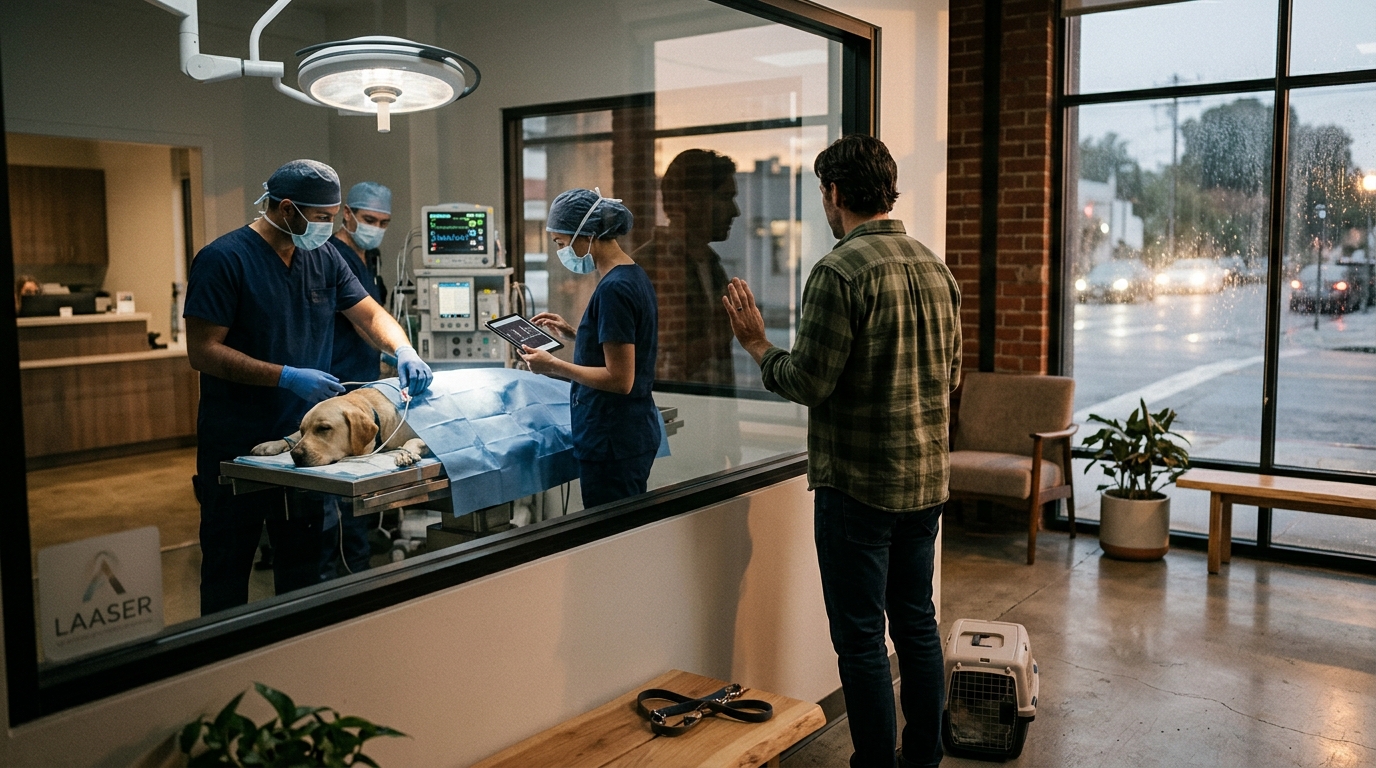
When a pet faces a complex medical crisis, general practice care often reaches its limit. According to recent veterinary industry data, approximately 30% of pet owners seek specialty referral care for conditions requiring advanced diagnostics or surgical intervention. This statistic highlights a critical gap in accessible, high-level medical infrastructure for dogs and cats in major metropolitan areas. Finding a facility that integrates surgery, cardiology, and internal medicine under one roof can significantly reduce stress during emergencies and streamline long-term chronic disease management. This guide explores how to identify the right veterinary hospital near you, with a focus on the capabilities offered by Los Angeles Animal Specialty Emergency & Rehabilitation (LAASER).
Understanding Specialty Veterinary Care
Veterinary medicine has evolved significantly over the past two decades. What was once the domain of general practitioners is now handled by board-certified specialists. This specialization ensures that pets receive the highest standard of care for complex conditions. Specialty medicine is the branch of veterinary practice that focuses on the diagnosis and treatment of complex diseases in animals. It requires advanced training beyond veterinary school, often involving residencies and rigorous board examinations.
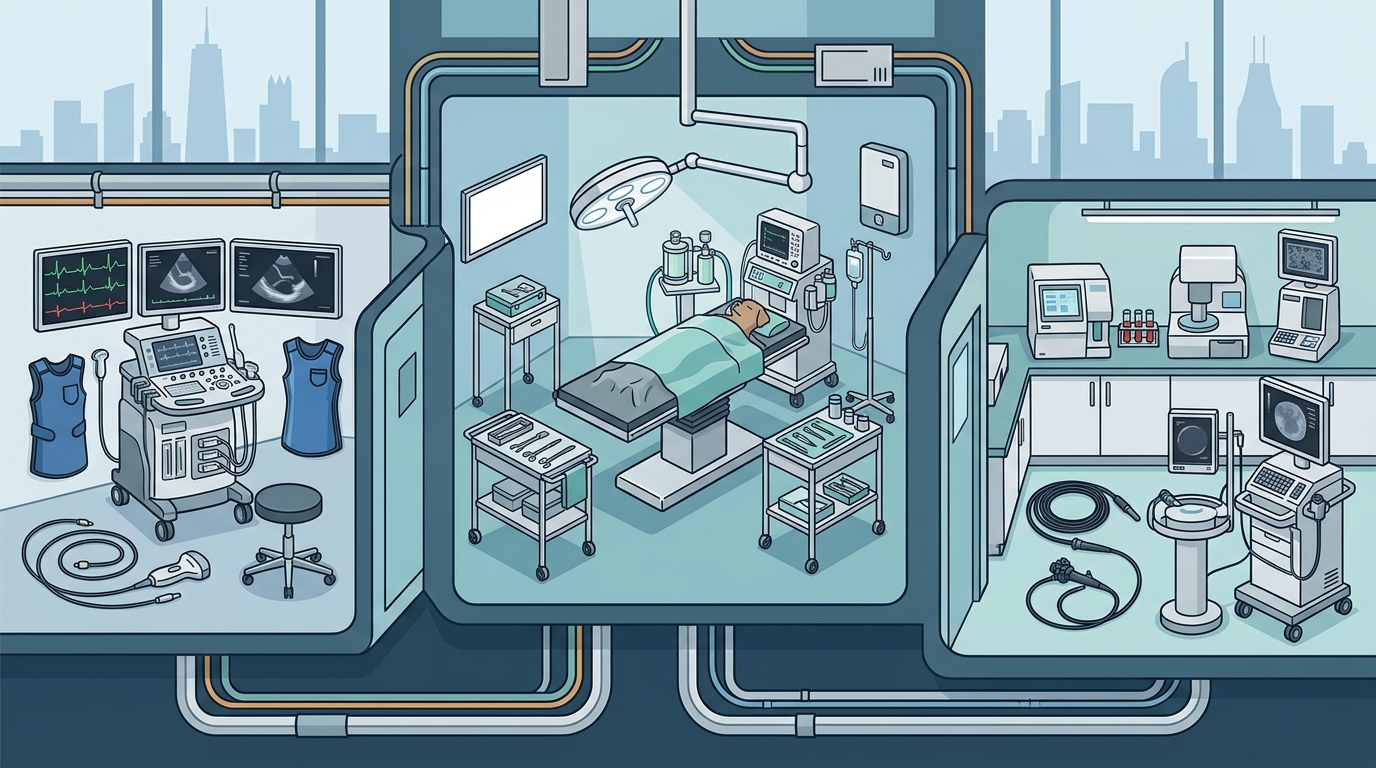
For pet owners, this means access to technologies and expertise that are unavailable in standard clinics. These facilities typically operate with state-of-the-art equipment, including advanced imaging systems and intensive care units. The goal is to provide comprehensive management plans that address not just the symptoms, but the underlying causes of illness.
When searching for "veterinary hospitals near me," it is crucial to look for facilities that offer a multidisciplinary approach. A hospital that integrates surgery, cardiology, and internal medicine can coordinate care seamlessly. This reduces the need for multiple referrals and ensures that all specialists are aligned on the treatment plan. For more information on the standards of care, you can review the Code of Conduct established by leading specialty hospitals.
Surgery and Neurology Services
Surgical interventions in veterinary medicine range from routine spays and neuters to complex orthopedic and soft tissue procedures. However, when neurology is involved, the stakes are significantly higher. Neurological conditions in pets, such as intervertebral disc disease or brain tumors, require precise diagnosis and delicate surgical techniques.
Neurology is the study of the nervous system, including the brain, spinal cord, and peripheral nerves, in animals. Veterinarians specializing in this field, often certified by the American College of Veterinary Internal Medicine (ACVIM) or the American College of Veterinary Surgeons (ACVS), use advanced imaging like MRI to pinpoint issues.
At facilities like LAASER, neurology and neurosurgery are core services. This integration allows for immediate consultation and surgical planning. For instance, a pet presenting with seizures or paralysis can be evaluated by a neurologist and taken to surgery without delay. This speed is critical in preserving neurological function and improving outcomes.
The surgical team at these hospitals is equipped to handle a wide variety of procedures. This includes orthopedic surgeries for broken bones, soft tissue surgeries for tumors, and neurosurgical interventions. The availability of board-certified surgeons ensures that pets receive care that meets the highest professional standards. You can learn more about the expert veterinarians who provide these critical services.
Cardiology and Internal Medicine
Cardiac disease is a leading cause of morbidity in older dogs and cats. Conditions such as heart murmurs, congestive heart failure, and arrhythmias require specialized diagnostic tools and management strategies. General practitioners may identify a murmur, but a cardiologist can determine its severity and appropriate treatment.
Cardiology is the branch of medicine that deals with disorders of the heart and blood vessels in animals. Specialists in this field use echocardiography, electrocardiograms (ECGs), and blood pressure monitoring to assess cardiac health. They work closely with internal medicine specialists to manage systemic diseases that affect the heart.
Internal medicine addresses complex medical conditions that do not require surgery but need expert management. This includes diabetes, kidney disease, liver disorders, and endocrine imbalances. The integration of cardiology and internal medicine allows for a holistic approach to patient care. A cardiologist can manage heart failure while an internist addresses the underlying metabolic issues.
LAASER provides specialized care for these complex conditions. Their team of board-certified specialists offers advanced diagnostics and innovative treatments. This comprehensive approach ensures that pets receive tailored care plans. For details on their medical services, visit the services page.
Emergency and Critical Care Integration
One of the most significant advantages of choosing a specialty hospital is the availability of 24/7 emergency and critical care. Life-threatening conditions do not adhere to a schedule. Pets can experience seizures, trauma, or acute organ failure at any hour.
Emergency medicine is the branch of veterinary practice that focuses on the immediate care and stabilization of animals with life-threatening conditions. Critical care specialists are trained to manage ventilators, intravenous fluids, and blood transfusions. They monitor patients around the clock to ensure stability.
The integration of emergency care with specialty services is vital. A pet admitted for a cardiac emergency can be evaluated by a cardiologist immediately. Similarly, a trauma patient may require both surgical intervention and critical care monitoring. This seamless workflow reduces the risk of complications and improves survival rates.
LAASER operates 24/7, providing continuous care for pets in need. Their facility is equipped with the latest technology for diagnostic testing and treatment. This ensures that pets receive the same level of care at night as they would during the day. For more information on their emergency services, check the emergency care page.
Choosing the Right Hospital
Selecting a veterinary hospital for specialty care requires careful consideration. Pet owners should look for facilities that offer a wide range of services, board-certified specialists, and advanced technology. The location and accessibility of the hospital are also important factors, especially in emergency situations.
Here is a comparison of key features to consider when evaluating veterinary hospitals:
| Feature | General Practice | Specialty Hospital (e.g., LAASER) |
|---|---|---|
| Specialists Available | None or limited | Board-certified in Surgery, Cardiology, Internal Medicine |
| Emergency Hours | Limited or closed | 24/7/365 |
| Advanced Diagnostics | Routine X-rays, Ultrasound | MRI, Advanced Cardiac Imaging, Lab Work |
| Referral Network | Outsourced | In-house coordination |
When searching for "veterinary hospitals near me," prioritize those that offer in-house specialty care. This ensures that your pet receives timely and coordinated treatment. You can also review the mission statement to understand the hospital's commitment to patient care.
Key Takeaways
- Specialty hospitals offer board-certified specialists in surgery, cardiology, and internal medicine.
- 24/7 emergency and critical care is essential for life-threatening conditions.
- Integrated care reduces the need for multiple referrals and improves outcomes.
- Advanced diagnostics like MRI and echocardiography are available at specialty centers.
- LAASER provides comprehensive care for dogs and cats in Los Angeles.
- Board-certified veterinarians have undergone rigorous training and examination.
- Choosing a hospital with in-house specialists ensures coordinated treatment plans.
Frequently Asked Questions
What is the difference between a general vet and a specialist?
General veterinarians provide routine care and basic medical services. Specialists have advanced training and board certification in specific fields like surgery or cardiology, allowing them to treat complex conditions.
Do specialty hospitals offer emergency services?
Many specialty hospitals, including LAASER, offer 24/7 emergency and critical care services to ensure pets receive immediate attention for life-threatening conditions.
How do I refer my pet to a specialist?
You can be referred by your primary care veterinarian or self-refer. LAASER accepts referrals from veterinarians and pet owners. You can fill out a registration form to schedule a visit.
What types of surgeries are performed at specialty hospitals?
Specialty hospitals perform complex surgeries, including orthopedic, soft tissue, and neurosurgical procedures, performed by board-certified surgeons.
Is cardiology testing available for pets?
Yes, specialty hospitals offer advanced cardiology testing, including echocardiography and ECGs, to diagnose and manage heart conditions.
How can I access my pet's medical records?
Pet owners can request medical records through the Pet Parent Portal or by contacting the hospital directly.
What is the address of LAASER?
LAASER is located at 2500 N San Fernando Rd, Los Angeles, CA 90065. You can get directions on their contact page.
Contact LAASER
If you are looking for expert veterinary care in Los Angeles, LAASER is here to help. Our team of board-certified specialists is dedicated to providing the highest level of care for your pet. Whether you need emergency services, specialized surgery, or cardiology consultation, we are available 24/7. Contact us today to schedule an appointment or learn more about our services. Visit our contact page or call 323-800-VETS (8387).