
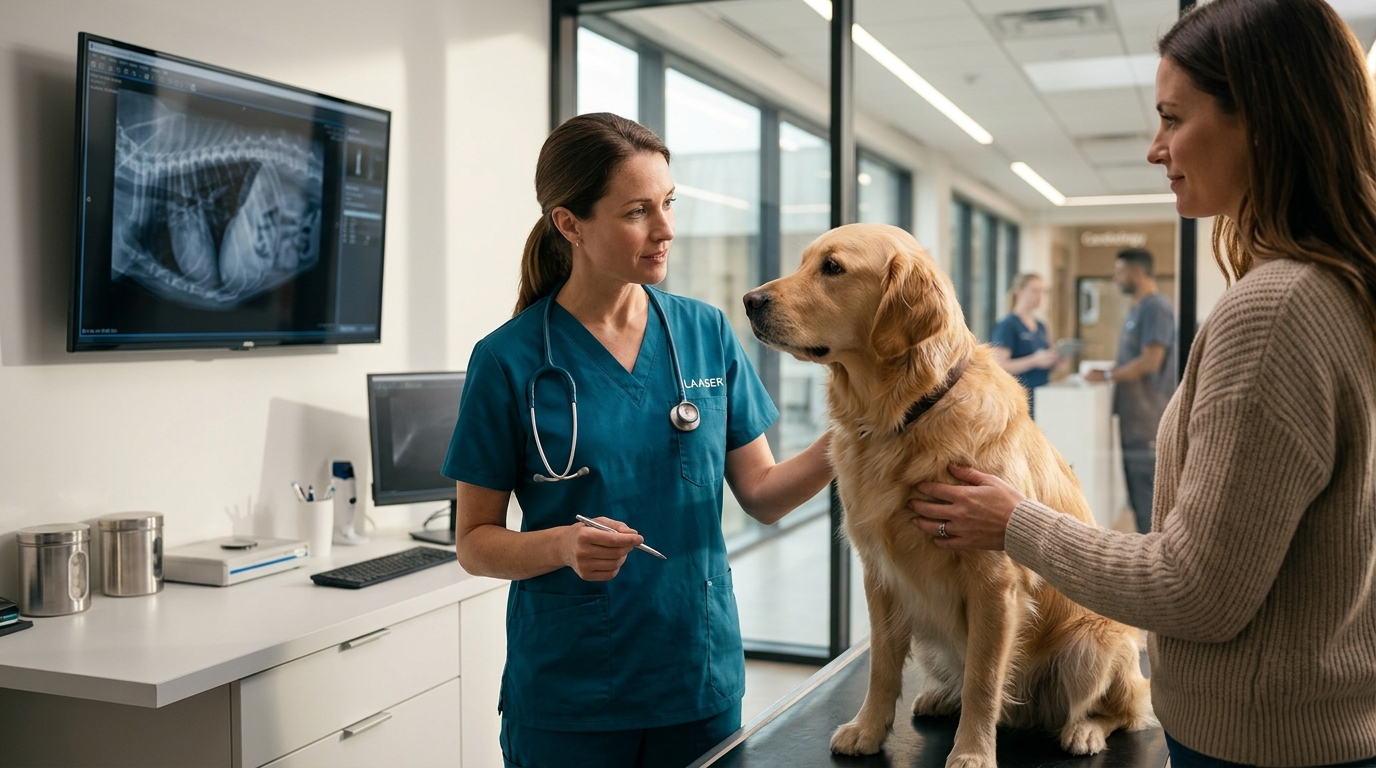
When a pet faces a complex medical crisis, standard primary care is often insufficient. According to the American Veterinary Medical Association, the demand for specialized veterinary care has grown significantly, with many pet owners now seeking board-certified specialists for conditions affecting the heart, digestive system, or requiring advanced surgical intervention. This guide identifies the critical components of a high-level specialty hospital, using Los Angeles Animal Specialty Emergency & Rehabilitation (LAASER) as a benchmark for excellence in Los Angeles, California. We will explore how to evaluate hospitals for surgery, cardiology, and internal medicine services to ensure your pet receives the highest standard of care.
Understanding Specialty Veterinary Care
Veterinary medicine has evolved into a highly specialized field. Specialty medicine is the branch of veterinary practice that focuses on the diagnosis and treatment of complex diseases in animals. Unlike general practitioners who handle routine wellness and minor ailments, specialists undergo rigorous additional training and board certification. This distinction is vital for pet owners seeking advanced care for conditions that do not respond to standard treatments.
When searching for "veterinary hospitals near me" that offer surgery, cardiology, and internal medicine, you are looking for a facility that integrates these disciplines. A top-tier hospital does not operate these departments in silos. Instead, it fosters collaboration between cardiologists, surgeons, and internists to create a holistic treatment plan. For instance, a pet with a heart condition may require surgery, necessitating close coordination between the cardiology and surgical teams to ensure perioperative safety.
Surgery and Neurosurgery Capabilities
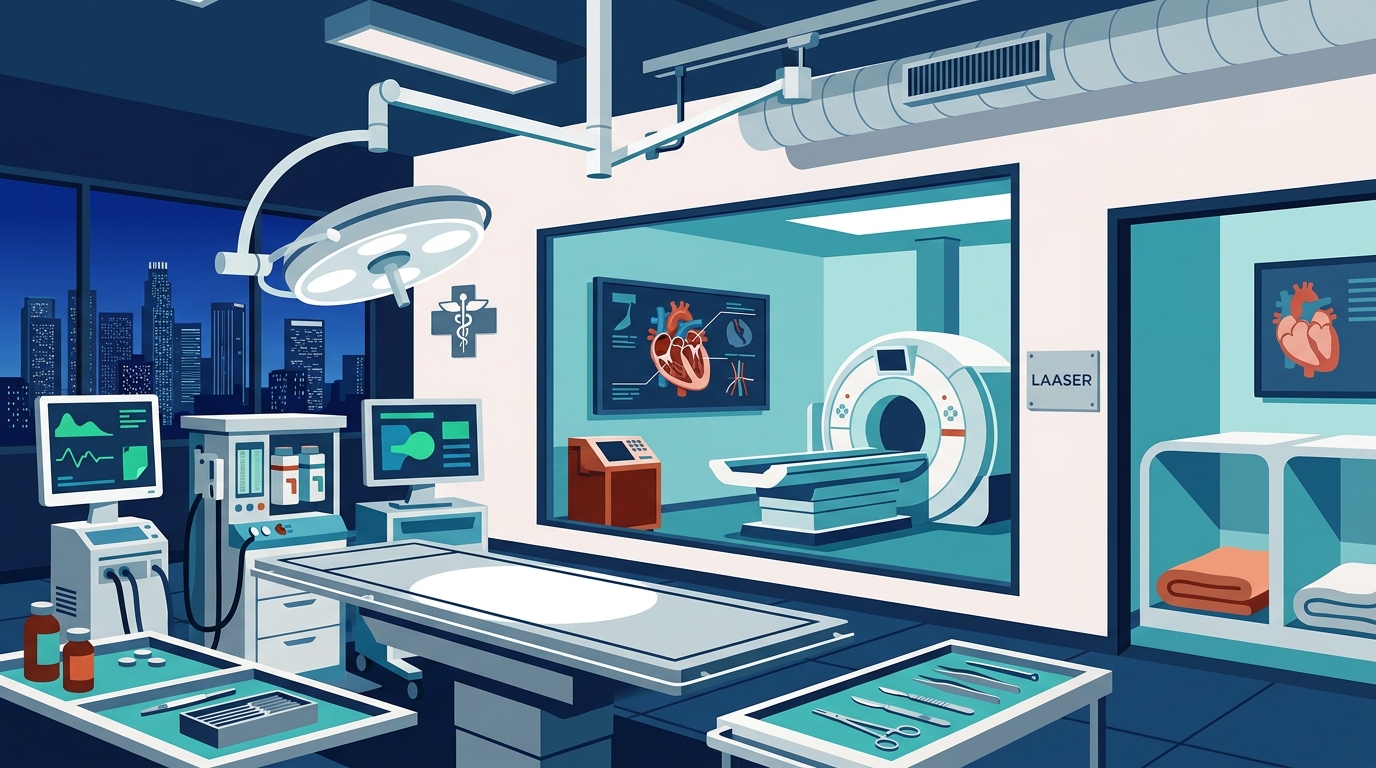
Advanced surgical care is a cornerstone of specialty veterinary hospitals. This goes beyond routine spays and neuters. It includes orthopedic procedures, soft tissue surgeries, and complex neurosurgery. The availability of state-of-the-art imaging, such as MRI and CT scans, is a critical indicator of a hospital's surgical capability.
Neurological Surgery
Neurological conditions in pets, such as intervertebral disc disease or brain tumors, require precise diagnosis and surgical intervention. Neurology and neurosurgery is the specialized field dealing with the diagnosis and treatment of disorders of the central and peripheral nervous systems in animals. Hospitals like LAASER in Los Angeles provide dedicated neurology departments with board-certified specialists who can perform intricate surgeries with minimal invasiveness.
Surgical Infrastructure
Successful surgery depends on the facility's infrastructure. This includes advanced anesthesia monitoring, sterile operating theaters, and post-operative intensive care units. The presence of board-certified anesthesiologists is a key differentiator. They manage pain and physiological stability during complex procedures, significantly reducing risks for older pets or those with pre-existing conditions.
Cardiology and Heart Health
Cardiac disease is a leading cause of morbidity in older dogs and cats. Early detection and management are crucial for extending quality of life. A hospital offering cardiology services will have specialized diagnostic tools that are not available in general practices.
Diagnostic Tools
Key diagnostic tools include echocardiography (ultrasound of the heart), electrocardiography (ECG), and blood pressure monitoring. These tools allow cardiologists to assess heart function, detect valve diseases, and identify congenital defects. Cardiology is the study and treatment of heart disorders, focusing on the structure and function of the cardiovascular system.
Common Conditions Treated
Specialists treat conditions such as dilated cardiomyopathy, mitral valve disease, and heartworm disease. They also manage pets with arrhythmias, which are irregular heartbeats that can lead to fainting or sudden cardiac arrest. If your pet has been diagnosed with a heart murmur, seeking a cardiology consultation is essential for accurate staging and treatment planning.
Internal Medicine and Diagnostics
Internal medicine addresses complex medical issues that affect multiple organ systems. This department is often the first point of contact for pets with unexplained weight loss, chronic vomiting, or seizures. Internists act as detectives, using advanced diagnostics to uncover the root cause of illness.
Advanced Diagnostics
Internal medicine specialists utilize a wide range of diagnostic tests, including advanced blood panels, urinalysis, and imaging. They also perform biopsies and cytology to diagnose cancers and inflammatory diseases. The goal is to provide a definitive diagnosis before initiating treatment, which improves outcomes and reduces unnecessary interventions.
Chronic Disease Management
Pets with chronic conditions like diabetes, kidney disease, or thyroid disorders benefit greatly from internal medicine expertise. Specialists develop long-term management plans that include dietary recommendations, medication adjustments, and regular monitoring. This proactive approach helps stabilize the disease and maintain the pet's quality of life.
The Role of 24/7 Emergency Services
Medical emergencies can happen at any time. A specialty hospital that also offers 24/7 emergency care provides a seamless continuum of care. This integration is particularly important for pets who require immediate surgical intervention or critical care stabilization.
Triage and Critical Care
Emergency veterinarians are trained to triage patients based on the severity of their condition. They provide immediate life-saving treatments, such as fluid therapy, oxygen support, and pain management. Once stabilized, the patient may be transferred to the critical care or specialty departments for further treatment.
Continuity of Care
Having a single hospital that handles both emergency and specialty care ensures that all medical professionals involved in your pet's case are familiar with their history. This reduces the risk of medical errors and ensures that treatment plans are consistent and comprehensive. For example, a pet admitted for a seizure emergency can be quickly evaluated by a neurologist within the same facility.
How to Choose the Right Hospital
Selecting the right veterinary hospital requires careful consideration of several factors. You should evaluate the hospital's credentials, technology, and approach to patient care. Here is a comparison of key attributes to look for:
| Feature | General Practice | Specialty Hospital (e.g., LAASER) |
|---|---|---|
| Staff Credentials | DVMs with general training | Board-certified specialists in multiple fields |
| Diagnostic Imaging | Basic X-ray and ultrasound | Advanced MRI, CT, and echocardiography |
| Hours of Operation | Standard business hours | 24/7 Emergency and Critical Care |
| Specialties Offered | None or limited referrals | Surgery, Cardiology, Internal Medicine, Neurology |
| Emergency Care | Referral to ER | In-house emergency team |
When searching for "veterinary hospitals near me," prioritize facilities that offer in-house specialists rather than those that only refer out. In-house care allows for faster decision-making and more coordinated treatment. Additionally, check if the hospital has a dedicated pet parent portal for easy access to medical records and communication with the care team.
Key Takeaways
- Specialty hospitals provide board-certified care in surgery, cardiology, and internal medicine.
- Advanced diagnostics like MRI and echocardiography are critical for accurate diagnosis.
- 24/7 emergency services ensure immediate care for life-threatening conditions.
- Collaboration between specialists leads to better outcomes for complex cases.
- LAASER in Los Angeles offers comprehensive specialty care with a focus on patient well-being.
- Board-certified veterinarians have undergone rigorous additional training and certification.
- In-house specialists allow for faster and more coordinated treatment plans.
Frequently Asked Questions
What is the difference between a general vet and a specialist?
A general veterinarian provides routine care and treats common conditions. A specialist has completed additional residency training and board certification in a specific field, such as cardiology or surgery, allowing them to handle complex cases.
When should I seek emergency veterinary care?
You should seek emergency care for symptoms like difficulty breathing, severe bleeding, loss of consciousness, or ingestion of toxins. Immediate attention can be life-saving.
Does LAASER offer 24/7 emergency services?
Yes, LAASER provides 24/7 emergency and critical care services for pets in Los Angeles. They are open 365 days a year.
What types of surgeries are performed at specialty hospitals?
Specialty hospitals perform advanced surgeries including orthopedic procedures, soft tissue surgeries, and neurosurgery. They also handle complex cases that general practitioners may not be equipped to manage.
How do I schedule a cardiology appointment?
You can schedule a cardiology appointment by contacting the hospital directly or through their online pet parent portal. A referral from your primary care vet is often helpful but not always required.
What is internal medicine in veterinary care?
Internal medicine focuses on the diagnosis and treatment of complex medical conditions affecting internal organs, such as the kidneys, liver, and digestive system.
Can I access my pet's medical records online?
Many specialty hospitals, including LAASER, offer online portals where pet owners can access medical records, request prescriptions, and communicate with the care team.
What is triage in veterinary emergency care?
Triage is the process of prioritizing patients based on the severity of their condition. Critically ill patients are seen first to ensure they receive immediate life-saving treatment.
Contact LAASER
If you are looking for a veterinary hospital near you that offers comprehensive surgery, cardiology, and internal medicine services, Los Angeles Animal Specialty Emergency & Rehabilitation (LAASER) is a premier choice. Located at 2500 N San Fernando Rd, Los Angeles, CA 90065, LAASER provides 24/7 emergency care and specialized treatment for dogs and cats. Their team of board-certified veterinarians is dedicated to providing the highest level of care with compassion and expertise.
For emergency services, call 323-800-VETS (8387) immediately. For specialty appointments, please visit our For Pet Owners page to register and schedule your visit. You can also learn more about our mission and meet our veterinarians. To refer a patient, please visit our For Veterinarians section. For more information on our services, including Neurology and MRI and Surgery, please explore our site. We are here to help you and your pet navigate complex medical challenges with confidence and care.