
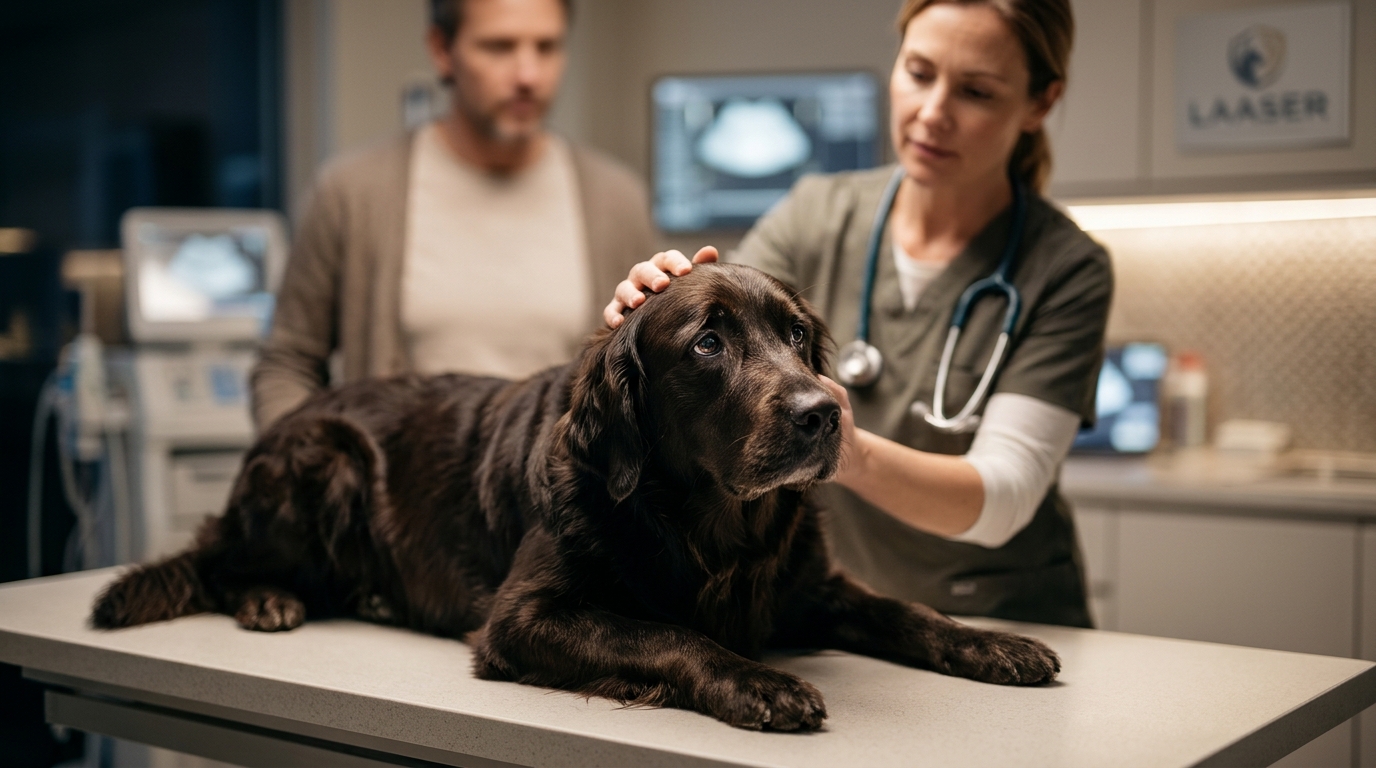
When to Rush Your Dog to the Emergency Vet for Neurological Problems
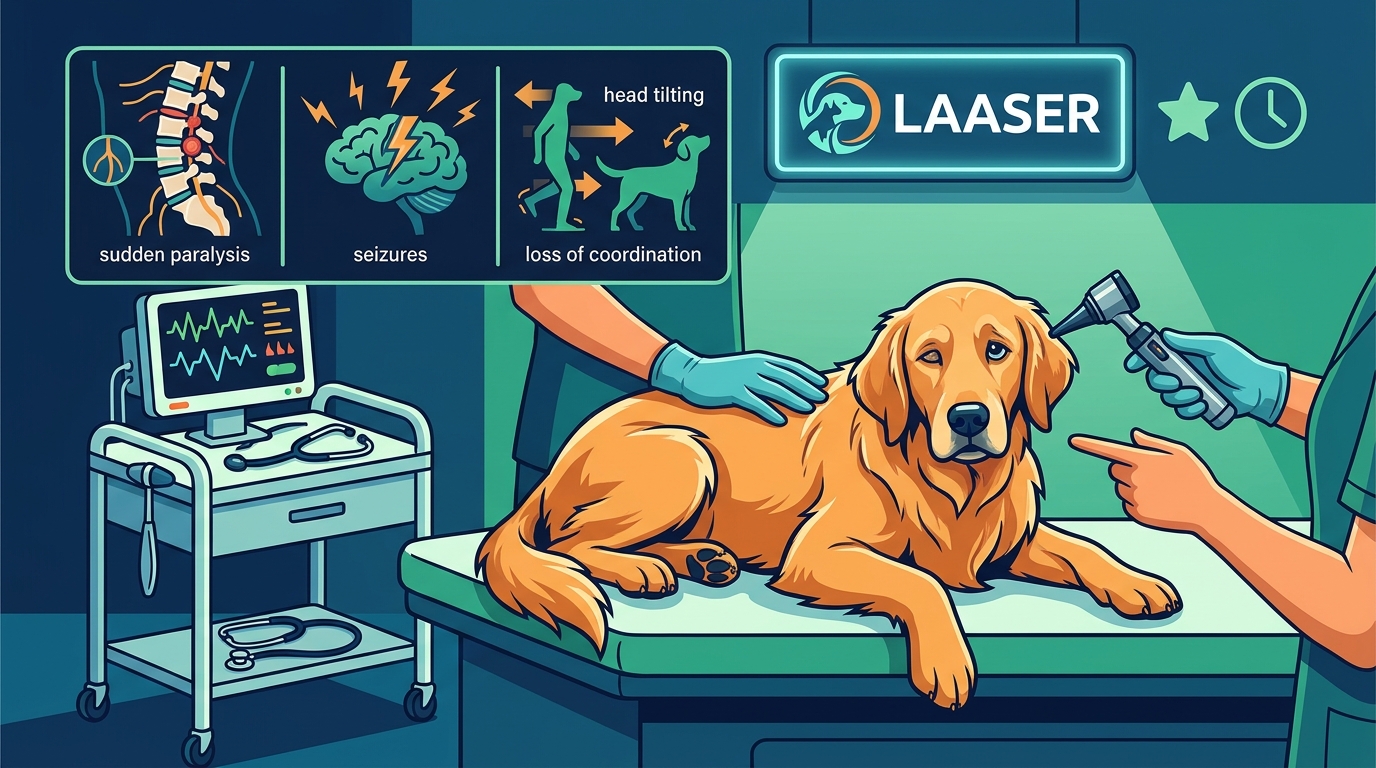
Rush your dog to the emergency vet immediately if you observe sudden paralysis, seizures, loss of coordination, head tilting, or collapse. These neurological symptoms indicate potential life-threatening conditions requiring urgent specialist intervention. At LAASER, our 24/7 emergency team works alongside board-certified neurologists to provide rapid diagnosis and treatment for critical neurological events in Los Angeles.
Recognizing Critical Neurological Symptoms
Neurological emergencies in dogs often present with sudden and dramatic changes in behavior or physical function. The most urgent signs include sudden paralysis or inability to stand, which may indicate spinal cord compression or trauma. Seizures, whether generalized or focal, require immediate medical attention to prevent brain damage from prolonged convulsions. Additionally, a persistent head tilt or loss of balance (ataxia) suggests vestibular disease or brainstem involvement, conditions that can deteriorate rapidly without intervention.
Owners should also watch for changes in mental status, such as confusion, staring into space, or unresponsiveness. These signs can point to metabolic encephalopathy or intracranial pressure issues. According to the LAASER Neurology and Neurosurgery team, early recognition of these specific signs is the single most important factor in improving recovery outcomes. Delaying care for these symptoms can lead to permanent neurological deficits.
The Triage Process at a Specialty Emergency Hospital
When you arrive at a specialty emergency hospital, your dog will undergo a triage assessment to determine the severity of their condition. Triage is the process of prioritizing patients based on the acuity of their medical needs to ensure the most critical cases receive immediate attention. At LAASER, our triage technicians evaluate neurological status, including pupil size, reflexes, and level of consciousness, before the veterinarian takes over. This rapid assessment helps the medical team decide if your dog needs immediate imaging or stabilization.
It is important to understand that wait times can vary depending on the number of critical patients currently being treated. However, the triage system ensures that dogs with life-threatening neurological issues, such as active seizures or complete paralysis, are seen first. While the waiting room may appear quiet, our medical team is often actively caring for hospitalized patients or performing emergency surgeries behind the scenes. This structured approach ensures that every patient receives the level of care appropriate to their specific neurological risk.
The Role of Board-Certified Neurologists
General emergency veterinarians are trained to stabilize patients, but complex neurological cases often require the expertise of a board-certified neurologist. A veterinary neurologist is a specialist who has completed advanced residency training in diagnosing and treating diseases of the nervous system. At LAASER, our neurology team, led by specialists like Dr. Timothy Krebs, works in close partnership with the emergency team. This collaborative model allows for seamless continuity of care, where the emergency team stabilizes the patient and the neurologist performs advanced diagnostics like MRI or spinal fluid analysis.
Having a full-time neurology team within the same hospital eliminates the need to transfer your dog to a different facility for specialist care. This integration is crucial for conditions like intervertebral disc disease (IVDD) or brain tumors, where time is of the essence. The neurologist can perform a specialized examination to localize the lesion in the nervous system, guiding the next steps in treatment, whether that involves medication, surgery, or intensive care. This multidisciplinary approach ensures that your dog receives comprehensive management from the moment of arrival through recovery.
Advanced Diagnostics for Neurological Emergencies
Accurate diagnosis of neurological problems requires advanced imaging and laboratory testing. Magnetic Resonance Imaging (MRI) is the gold standard for visualizing the brain and spinal cord, allowing veterinarians to detect tumors, inflammation, or structural abnormalities. At LAASER, our Neurology and Neurosurgery department utilizes advanced imaging technology to provide detailed views of the nervous system. In addition to MRI, we perform spinal fluid analysis to check for infection or inflammation, and blood work to rule out metabolic causes of neurological signs.
These diagnostic tools are essential for differentiating between conditions that may look similar on the surface but require vastly different treatments. For example, a dog with a head tilt could have a benign vestibular syndrome or a serious brain tumor. Without advanced diagnostics, it is impossible to determine the underlying cause. The availability of these tools in an emergency setting allows for rapid decision-making, enabling the medical team to initiate appropriate treatment immediately rather than waiting for outpatient appointments. This speed is often the difference between a full recovery and a poor prognosis.
Rehabilitation and Integrative Medicine Support
Recovery from neurological emergencies often requires more than just acute medical treatment. Veterinary rehabilitation is a specialized field focused on restoring function and mobility in pets with neurological or orthopedic impairments. At LAASER, our Rehabilitation and Integrative Medicine team works alongside the neurology and emergency teams to create customized recovery plans. These plans may include physical therapy, acupuncture, and pain management strategies to help your dog regain strength and coordination.
Early involvement of rehabilitation specialists can significantly improve long-term outcomes for dogs with neurological conditions. For instance, a dog recovering from a spinal cord injury may benefit from early physical therapy to prevent muscle atrophy and promote nerve regeneration. Our rehabilitation veterinarian, Masami Seplow, brings extensive experience in canine rehabilitation and holistic care to support this process. By integrating rehabilitative care into the emergency treatment plan, we ensure that your dog’s recovery begins as soon as they are stable, providing a comprehensive approach to their neurological health.
Key Takeaways
- Sudden paralysis, seizures, or loss of balance are medical emergencies requiring immediate veterinary attention.
- Triaging at a specialty hospital ensures that the most critical neurological cases are seen first.
- Board-certified neurologists provide advanced diagnostics and treatment for complex nervous system disorders.
- Advanced imaging like MRI is essential for accurately diagnosing the cause of neurological symptoms.
- Collaborative care between emergency, neurology, and rehabilitation teams improves recovery outcomes.
- Early intervention is the most significant factor in preventing permanent neurological deficits.
Frequently Asked Questions
Is a head tilt in a dog an emergency?
A head tilt can be a sign of vestibular disease, which may be benign or serious. If accompanied by other symptoms like vomiting, loss of balance, or eye movements, it should be evaluated urgently. At LAASER, we assess these symptoms to determine if immediate imaging is needed.
How quickly should I bring my dog to the vet if they have a seizure?
You should bring your dog to the emergency vet immediately after a seizure, especially if it is their first seizure or if they have multiple seizures in a short period. Prolonged seizures can cause brain damage, so rapid stabilization is critical.
Does LAASER have a neurologist on staff?
Yes, LAASER has a board-certified neurologist, Dr. Timothy Krebs, who works with the emergency team. This allows for immediate specialist consultation and advanced diagnostics for neurological emergencies.
What is the difference between a general vet and a neurologist?
A general veterinarian provides primary care and basic emergency stabilization. A veterinary neurologist is a specialist trained in diagnosing and treating complex diseases of the brain, spinal cord, and nerves, often using advanced imaging and surgical techniques.
Can my dog recover from a spinal cord injury?
Recovery depends on the severity and location of the injury. With rapid emergency treatment and subsequent rehabilitation, many dogs can regain some or all function. Early intervention at a specialty hospital like LAASER improves the chances of a positive outcome.
Is MRI painful for dogs?
MRI is a non-invasive imaging technique that is not painful. However, dogs typically need to be sedated or anesthetized to remain still during the scan. The anesthesia is carefully managed by our veterinary team to ensure safety.
Conclusion
Neurological emergencies in dogs are time-sensitive and require the expertise of a specialty veterinary hospital. By recognizing critical symptoms and seeking immediate care at a facility with integrated neurology and emergency services, you can significantly improve your pet's chances of recovery. Contact LAASER at 323-800-VETS (8387) for 24/7 emergency care and specialist consultation in Los Angeles.