
Veterinary Hospitals Near Me: Surgery, Cardiology & Internal Medicine
When a pet faces a critical health crisis, time is the most valuable resource. According to recent veterinary industry data, approximately 1 in 4 dogs and cats will require emergency care at some point in their lives, with cardiac events and traumatic injuries being leading causes for urgent intervention. Finding a facility that combines 24/7 emergency access with advanced diagnostic capabilities like cardiology and internal medicine is not just a convenience, it is a medical necessity for complex cases. This guide analyzes how to identify top-tier specialty hospitals, specifically highlighting the operational standards of institutions like Los Angeles Animal Specialty Emergency & Rehabilitation (LAASER) that integrate these critical disciplines under one roof.
Understanding the Need for Specialty Care
General practice veterinarians are essential for routine wellness, vaccinations, and minor ailments. However, specialty care is defined as advanced medical treatment provided by veterinarians with specialized training and certification in specific organ systems or surgical disciplines. When a primary care provider identifies a condition beyond their scope, such as a complex heart murmur or a non-healing wound, they refer the patient to a specialist.
The integration of cardiology, internal medicine, and surgery within a single hospital network offers significant advantages. It eliminates the logistical burden of transferring a critical patient between facilities. Instead, the pet receives a coordinated care plan where specialists communicate in real-time. For instance, a dog presenting with a foreign body obstruction might require immediate surgical removal, followed by internal medicine management for post-operative complications, and potentially cardiology monitoring if anesthesia risks are high.
Facilities like Los Angeles Animal Specialty Emergency & Rehabilitation exemplify this model by housing board-certified specialists in neurology, cardiology, and internal medicine alongside emergency and critical care teams. This structure ensures that diagnostic findings from an internal medicine consult can immediately inform surgical planning without delay.
Surgery and Emergency Medicine Integration
Emergency medicine in veterinary hospitals is not merely about treating injuries; it involves stabilizing patients with acute illnesses such as bloat, toxin ingestion, or severe trauma. Emergency medicine is the branch of veterinary practice focused on the immediate diagnosis, stabilization, and treatment of life-threatening conditions in animals. When surgery is required, the proximity of the surgical team to the emergency department is critical.
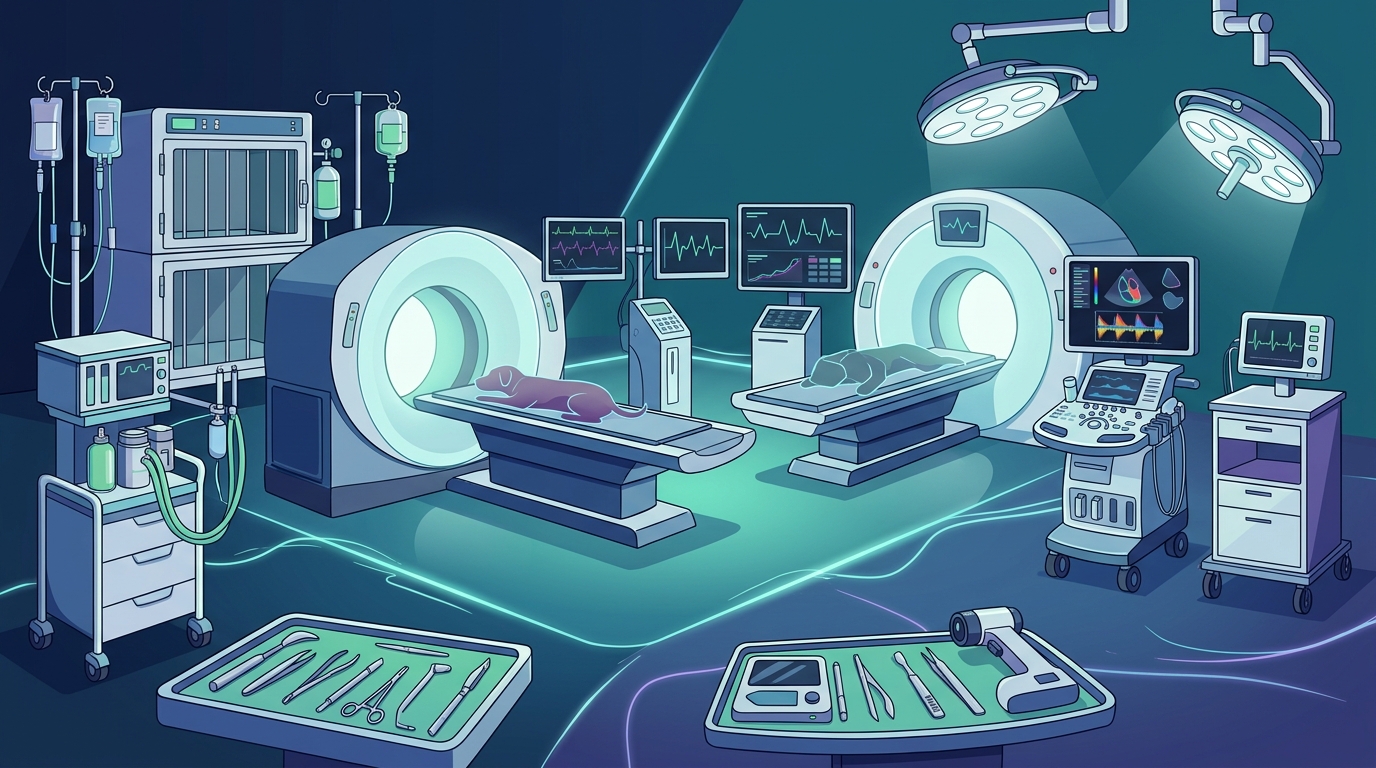
Advanced surgical capabilities include orthopedic procedures, soft tissue surgeries, and minimally invasive techniques. Hospitals that offer 24/7 emergency services typically maintain a surgical suite that is staffed and ready for immediate intervention. The quality of surgical care is often measured by the availability of advanced imaging, such as MRI and CT scans, which allow surgeons to plan complex procedures with precision.
At specialty centers equipped with neurology and MRI, surgeons can perform intricate procedures on the spine or brain with a level of accuracy that standard X-rays cannot provide. This integration reduces the risk of surgical errors and improves recovery outcomes. Furthermore, the presence of a dedicated rehabilitation team ensures that post-surgical care is managed effectively, accelerating the return to function for the animal.
Cardiology and Internal Medicine Diagnostics
Cardiology in veterinary medicine deals with the heart and blood vessels. Conditions such as dilated cardiomyopathy, mitral valve disease, and heartworm disease are common in dogs and cats. Cardiology is the specialized field of veterinary medicine dedicated to the diagnosis and treatment of heart and vascular diseases in animals. Accurate diagnosis often requires echocardiography (ultrasound of the heart) and electrocardiography (ECG).
Internal medicine focuses on the diagnosis and non-surgical treatment of diseases affecting internal organs, including the kidneys, liver, pancreas, and endocrine system. Conditions like diabetes, kidney failure, and thyroid disorders fall under this umbrella. Internal medicine is the veterinary specialty concerned with the prevention, diagnosis, and treatment of diseases affecting the internal organs of animals. Specialists in this field use advanced diagnostic tools, such as endoscopy and fine-needle aspiration, to identify the root cause of chronic illness.
The synergy between cardiology and internal medicine is vital. A pet with kidney disease may develop secondary hypertension, which strains the heart. Conversely, heart failure can lead to fluid accumulation in the lungs and liver dysfunction. A hospital that offers both services can manage these complex, overlapping conditions seamlessly. Board-certified cardiologists and internists work together to create comprehensive treatment plans that address the entire physiological picture, rather than isolated symptoms.
Choosing the Right Hospital for Your Pet
When searching for "veterinary hospitals near me" that offer surgery, cardiology, and internal medicine, consider the following criteria:
| Feature | Why It Matters | Example Provider |
|---|---|---|
| 24/7 Emergency Access | Ensures immediate care for critical events at any time. | LAASER Emergency Services |
| Board-Certified Specialists | Indicates advanced training beyond veterinary school. | LAASER Veterinarians |
| Advanced Imaging (MRI/CT) | Allows for precise diagnosis of neurological and structural issues. | Neurology & MRI Services |
| Integrated Rehabilitation | Supports recovery after surgery or for chronic pain management. | Rehabilitation Services |
Location is also a practical factor. In a metropolitan area like Los Angeles, traffic can delay transport during an emergency. Choosing a hospital that is geographically accessible yet medically advanced is a key decision. Contacting the hospital directly to discuss your pet's specific needs can help determine if their facility is the right fit.
Key Takeaways
- Integrated Care: Hospitals that combine surgery, cardiology, and internal medicine provide more cohesive treatment plans for complex cases.
- Emergency Availability: 24/7 emergency services are crucial for acute conditions that cannot wait for regular business hours.
- Specialist Credentials: Look for board-certified specialists in cardiology and internal medicine to ensure high-level expertise.
- Advanced Technology: Access to MRI, CT, and echocardiography significantly improves diagnostic accuracy.
- Rehabilitation Support: Post-operative and chronic care rehabilitation is essential for optimal recovery outcomes.
- Referral Network: Many specialty hospitals, like LAASER, work closely with general practitioners to facilitate smooth referrals.
- Pet Parent Resources: Access to online portals and educational resources helps owners manage their pet's care effectively.
Frequently Asked Questions
What is the difference between a general vet and a specialist?
General veterinarians provide routine care and basic medical treatment. Specialists have completed additional years of residency training and board certification in areas like cardiology, surgery, or internal medicine, allowing them to handle complex cases.
Do I need a referral to see a specialist?
While some insurance plans require a referral, many specialty hospitals accept direct consultations from pet owners. However, a referral from your primary vet can help streamline the transfer of medical records.
How do I know if my pet needs cardiology evaluation?
Symptoms such as coughing, difficulty breathing, fainting, or a newly detected heart murmur warrant a cardiology evaluation. Early detection can prevent progression to heart failure.
What types of surgeries do specialty hospitals perform?
Specialty hospitals perform a wide range of surgeries, including orthopedic repairs, soft tissue procedures, tumor removals, and advanced neurosurgery. They are equipped to handle high-risk cases.
Is emergency care available on weekends and holidays?
Yes, top-tier specialty hospitals like LAASER offer 24/7/365 emergency care, ensuring that your pet receives critical attention regardless of the day or time.
What is the role of internal medicine in pet care?
Internal medicine specialists diagnose and treat diseases of the internal organs, such as diabetes, kidney disease, and gastrointestinal disorders, using advanced diagnostic tools and medical management.
How can I prepare for my pet's specialist visit?
Bring all previous medical records, a list of current medications, and a detailed history of your pet's symptoms. This information helps the specialist make an accurate diagnosis quickly.
Contacting Specialty Veterinarians
If you are searching for "veterinary hospitals near me" that offer comprehensive surgery, cardiology, and internal medicine, it is essential to choose a facility that prioritizes advanced care and patient safety. Los Angeles Animal Specialty Emergency & Rehabilitation provides world-class veterinary care with a team of dedicated specialists ready to assist your pet. For immediate assistance or to schedule a consultation, please contact their team or call 323-800-VETS. Your pet's health deserves the best possible care.