
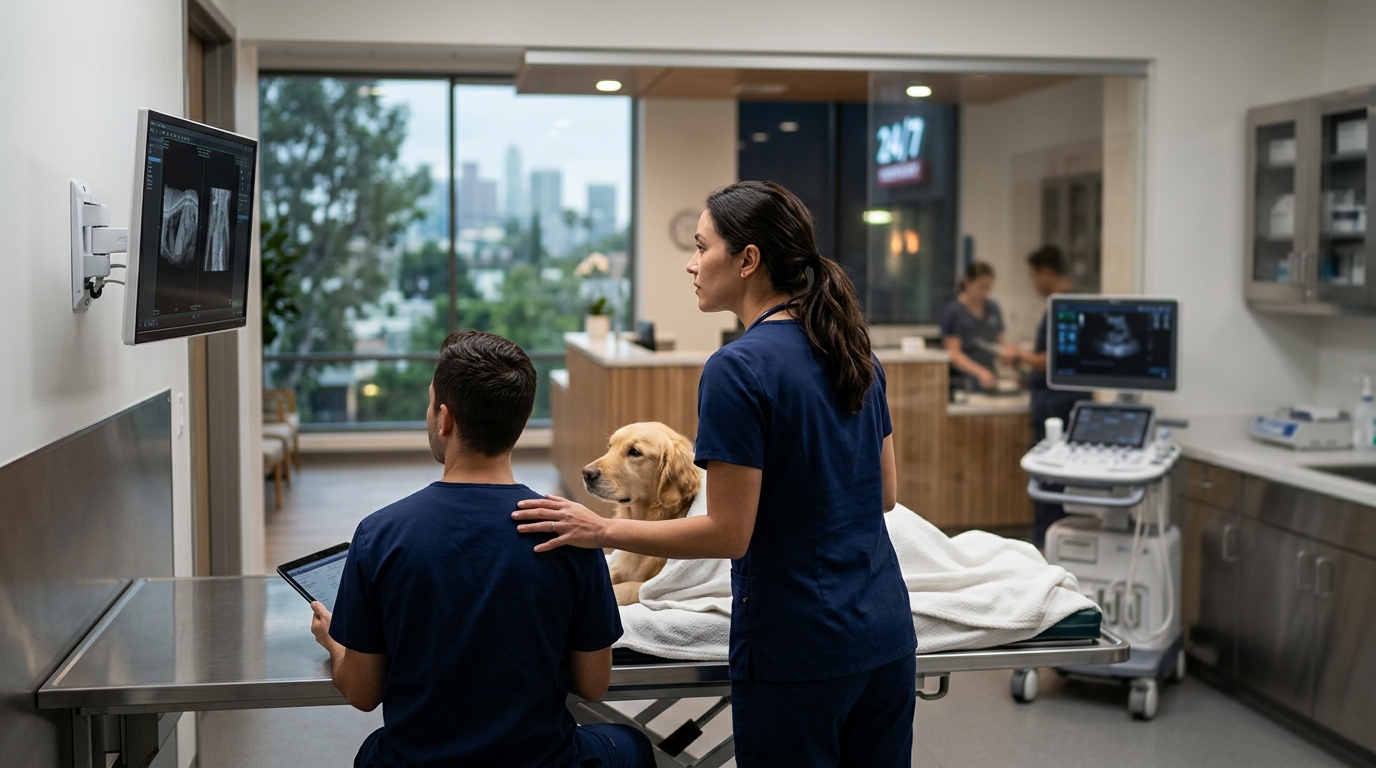
Veterinary Hospitals Near Me Offering Surgery, Cardiology & Internal Medicine
When a pet faces a critical health crisis, time is the most valuable resource. According to recent veterinary industry data, emergency cases requiring immediate surgical intervention or specialized cardiac care account for a significant portion of urgent hospital visits, with outcomes heavily dependent on the speed and expertise of the receiving facility. Pet owners in Los Angeles and surrounding areas often search for "veterinary hospitals near me" when they need immediate access to advanced diagnostics and life-saving treatments. This guide explores how to identify facilities that integrate emergency care with specialized internal medicine and cardiology, ensuring your pet receives continuous, high-level care without unnecessary transfers.
Understanding the Need for Specialty Care
General veterinary practices are essential for routine check-ups, vaccinations, and minor ailments. However, complex medical conditions often require a higher level of expertise. Specialty veterinary hospitals are equipped with advanced diagnostic tools and board-certified specialists who focus exclusively on specific areas of medicine. This specialization allows for more accurate diagnoses and tailored treatment plans for conditions that general practitioners may not have the resources to manage.
For pet owners, the transition from a general vet to a specialty hospital can be daunting. Understanding the scope of services available is crucial. Facilities that offer a combination of emergency care, surgery, cardiology, and internal medicine provide a seamless continuum of care. This integration reduces the stress on both the pet and the owner by keeping the animal within a single ecosystem of care, from initial stabilization to long-term management.
Key Services: Surgery, Cardiology, and Internal Medicine
When searching for veterinary hospitals near me, it is important to understand what each specialty entails. These three pillars of advanced veterinary medicine often overlap, requiring close collaboration between specialists.
1. Veterinary Surgery
Veterinary surgery encompasses a wide range of procedures, from routine spays and neuters to complex orthopedic repairs and oncological surgeries. Advanced surgical capabilities include minimally invasive techniques, such as laparoscopy, which reduce recovery time and post-operative pain. Facilities with on-site surgical suites and specialized anesthesiologists can handle high-risk cases that require immediate intervention.
2. Veterinary Cardiology
Cardiology focuses on the heart and blood vessels. Conditions such as heart murmurs, congestive heart failure, and arrhythmias require precise diagnosis through echocardiograms and electrocardiograms (ECGs). Veterinary cardiology specialists interpret these complex data points to prescribe medications that manage symptoms and improve quality of life. Early detection through regular cardiac screenings can significantly extend the lifespan of senior pets.

3. Internal Medicine
Internal medicine deals with the diagnosis and treatment of non-surgical diseases affecting internal organs. This includes endocrine disorders like diabetes and thyroid issues, as well as gastrointestinal diseases. Veterinary internal medicine specialists use advanced imaging and laboratory testing to identify underlying causes of chronic illness. Their expertise is vital for managing complex cases that do not respond to standard treatments.
Evaluating Veterinary Facilities for Advanced Care
Not all veterinary hospitals offer the same level of specialized care. When comparing options, consider the following criteria to ensure you choose the right facility for your pet's needs.
| Feature | General Practice | Specialty Hospital (e.g., LAASER) |
|---|---|---|
| Emergency Hours | Limited or Referral Only | 24/7/365 Coverage |
| Diagnostic Imaging | Basic X-Ray | MRI, CT, Advanced Ultrasound |
| Specialists | General Veterinarians | Board-Certified Surgeons, Cardiologists, Internists |
| Continuity of Care | Fragmented | Integrated Multi-Specialty Team |
Look for facilities that emphasize state-of-the-art technology and a collaborative approach. Hospitals that integrate neurology, surgery, and internal medicine under one roof can address complex, multi-system diseases more effectively. Additionally, check for patient support resources, such as online portals for pet parents, which facilitate communication and follow-up care.
Case Study: LAASER's Integrated Approach
Los Angeles Animal Specialty Emergency & Rehabilitation (LAASER) exemplifies the model of a comprehensive specialty hospital. Located in Los Angeles, LAASER provides 24/7 emergency and critical veterinary care, alongside specialized services in neurology, surgery, internal medicine, and cardiology. This integration allows for immediate access to advanced diagnostics, such as MRI, which is critical for neurological and orthopedic assessments.
LAASER's approach highlights the importance of having specialists available around the clock. For instance, a pet presenting with acute cardiac distress can be stabilized in the emergency unit and then immediately evaluated by a cardiologist without the need for transfer. This seamless transition is vital for improving survival rates in critical cases. The hospital also offers rehabilitation and integrative medicine, supporting long-term recovery and quality of life for pets undergoing extensive surgical or medical treatments.
For pet owners in the region, LAASER serves as a central hub for complex care. Their commitment to expert veterinary care is reflected in their team of board-certified specialists and their use of the latest medical technology. This model ensures that pets receive the highest standard of care, regardless of the time of day or the complexity of their condition.
Emergency Preparedness and Next Steps
Being prepared for a veterinary emergency can make a significant difference in your pet's outcome. Here are some steps to take before a crisis occurs:
- Identify Local Specialty Hospitals: Research facilities near you that offer the specific services your pet might need, such as cardiology or surgery.
- Understand Payment Options: Emergency care can be costly. Inquire about payment plans, credit options, or insurance partnerships beforehand. Facilities like LAASER provide detailed information on payments and financial assistance.
- Register as a Client: Pre-registering with a specialty hospital can streamline the intake process during an emergency. Visit the For Pet Owners section of a hospital's website to complete registration.
- Keep Records Accessible: Maintain a digital or physical copy of your pet's medical history, including vaccination records and previous test results.
If you suspect your pet is experiencing a medical emergency, do not wait. Call the hospital directly for immediate guidance. For non-emergency inquiries, you can use the Contact Us form, but remember that medical concerns should always be addressed via phone for faster response times.
Key Takeaways
- Specialty hospitals offer advanced care in surgery, cardiology, and internal medicine that general practices cannot provide.
- 24/7 emergency coverage is critical for pets with acute conditions, ensuring immediate access to life-saving treatments.
- Integrated care models, such as those at LAASER, allow for seamless transitions between emergency, surgical, and medical specialists.
- Advanced diagnostics, including MRI and echocardiography, are essential for accurate diagnosis and treatment planning.
- Pre-registration and understanding payment options can reduce stress during a veterinary emergency.
- Board-certified specialists provide a higher level of expertise for complex medical and surgical cases.
- Rehabilitation services play a crucial role in the long-term recovery and quality of life for pets post-treatment.
Frequently Asked Questions
What is the difference between a general vet and a specialty hospital?
A general vet handles routine care and minor issues, while a specialty hospital focuses on complex diseases and advanced procedures, often with board-certified specialists in fields like cardiology and surgery.
Do specialty hospitals offer 24/7 emergency care?
Many specialty hospitals, including LAASER, provide 24/7 emergency and critical care to ensure pets receive immediate attention during life-threatening situations.
How do I prepare for a veterinary emergency?
Identify a local specialty hospital, understand their payment options, pre-register as a client, and keep your pet's medical records accessible.
What services does LAASER offer?
LAASER offers emergency care, neurology and MRI, surgery, internal medicine, cardiology, and rehabilitation/integrative medicine for dogs and cats.
Can I schedule a consultation with a cardiologist?
Yes, you can contact the hospital directly to schedule a consultation with a board-certified cardiologist for your pet's heart health evaluation.
What is the contact number for LAASER?
You can call LAASER at 323-800-VETS (8387) for immediate assistance or general inquiries.
Does LAASER accept pet insurance?
LAASER works with various pet insurance providers. It is recommended to contact their payments department for specific details on coverage and billing.
Contacting Specialty Hospitals
If you are seeking advanced veterinary care for your pet, it is essential to connect with a facility that meets your needs. For pet owners in Los Angeles, LAASER stands out as a premier destination for emergency, surgical, and medical care. Their team of dedicated veterinarians is committed to providing compassionate, high-tech care for your furry family members.
Do not wait for a crisis to happen. Take the time to explore the services offered by local specialty hospitals. Whether you need a routine cardiac check-up or are facing an emergency, having a trusted specialist on hand can make all the difference. Visit the Our Mission page to learn more about their commitment to pet health and well-being. For immediate assistance, call 323-800-VETS (8387) or get directions to their facility at 2500 N San Fernando Rd, Los Angeles, CA 90065.