

Common Mistakes Pet Owners Make When Recognizing Dog Emergency Symptoms
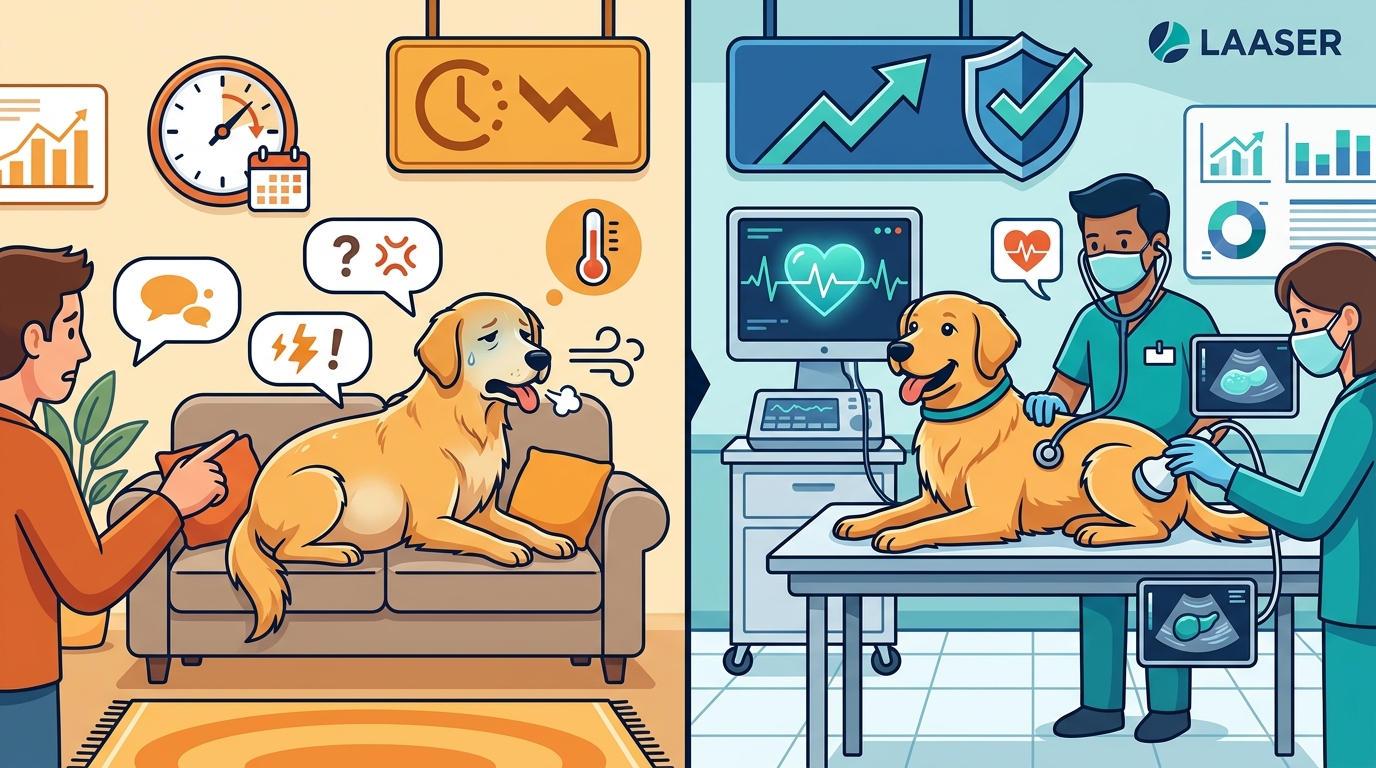
Recognizing when a dog is in medical distress is often the difference between a full recovery and a tragic outcome. According to recent veterinary data, approximately 20% of emergency cases involve owners who delayed seeking help because they misinterpreted subtle warning signs as minor inconveniences. This delay can be fatal for conditions like bloat, heatstroke, or internal bleeding. At Los Angeles Animal Specialty Emergency & Rehabilitation (LAASER), we see the consequences of these misjudgments daily. Understanding the gap between normal dog behavior and critical medical emergencies is essential for every pet parent.
Mistake 1: Waiting for Vomiting to Stop
One of the most dangerous errors pet owners make is assuming that vomiting is a self-limiting issue. Many owners will wait hours or even a full day to see if the dog "gets it out of their system." This approach ignores the underlying cause, which could be a foreign body obstruction, a toxin ingestion, or a systemic infection.
Vomiting is a symptom, not a diagnosis. When a dog vomits repeatedly, it leads to rapid dehydration and electrolyte imbalances that can cause cardiac arrhythmias. In severe cases, such as with certain toxins like xylitol or grapes, the window for effective treatment is measured in hours, not days. If your dog is vomiting more than twice in a 24-hour period, or if the vomit contains blood, immediate veterinary intervention is required. Our emergency team is equipped to stabilize these patients immediately upon arrival.
Mistake 2: Ignoring Non-Verbal Pain Signals
Dogs are masters at hiding pain. This evolutionary trait means that by the time a dog is visibly limping or whining, the pain is often severe. Owners frequently mistake these late-stage signs for minor sprains or age-related stiffness. However, conditions like cruciate ligament tears, severe arthritis, or internal abdominal pain require precise diagnosis through imaging and physical examination.
Subtle signs include panting when cool, restlessness, reluctance to jump, or changes in appetite. At LAASER, our neurology and MRI department specializes in detecting these hidden issues. We utilize advanced diagnostic tools to identify spinal cord compression or nerve damage that physical palpation alone might miss. Do not wait for your dog to "walk it off" if you notice persistent behavioral changes.
Mistake 3: Confusing Exhaustion with Illness
It is easy to dismiss lethargy as simple tiredness, especially after a long walk or a busy day. However, sudden lethargy is a primary indicator of shock, sepsis, or internal bleeding. A healthy dog should have bursts of energy and rest periods, but a dog that is unresponsive, weak, or unable to stand is in a critical state.
Check your dog's gum color. Healthy gums are pink and moist. If the gums are pale, white, blue, or brick-red, this indicates poor oxygenation or circulation. This is a medical emergency. Our internal medicine specialists are trained to diagnose the root cause of systemic collapse, including heart failure and severe anemia. Do not assume rest will resolve this; professional support is needed to restore circulation and oxygen levels.
Mistake 4: Delaying Neurological Assessment
Neurological symptoms are often misunderstood by pet owners who attribute them to old age or confusion. Symptoms such as circling, head pressing, loss of balance, or sudden blindness are never normal. These are signs of brain dysfunction, which can result from strokes, tumors, or inflammatory diseases.
Time is critical in neurological emergencies. Brain tissue is highly sensitive to oxygen deprivation and pressure. Delaying care can lead to permanent damage or death. LAASER offers state-of-the-art neurology and neurosurgery services, including MRI diagnostics, to pinpoint the exact location of the issue. Early intervention can preserve neurological function and significantly improve the prognosis for your pet.
Mistake 4: Relying on Home Remedies for Critical Issues
Another common mistake is attempting to treat serious conditions with home remedies. Giving human medication, such as ibuprofen or acetaminophen, can be toxic and even fatal to dogs. Similarly, waiting for a "natural" remedy to work when a dog has ingested a toxin is a dangerous gamble.
Some conditions, like bloat (GDV), require immediate surgical intervention. No amount of home care can correct a twisted stomach. Our surgery department is staffed with board-certified surgeons ready to perform life-saving procedures at a moment's notice. If you suspect your dog has ingested a toxin or is showing signs of bloat, such as a distended abdomen and unproductive retching, call us immediately at 323-800-VETS.
Emergency vs. Urgent Care Comparison
Understanding the difference between an emergency and an urgent care situation is vital for proper triage. Emergency care is for life-threatening conditions that require immediate attention. Urgent care is for conditions that are serious but not immediately fatal.
| Condition Type | Examples | Required Action |
|---|---|---|
| Emergency | Bloat, seizures, difficulty breathing, trauma, toxin ingestion | Immediate 24/7 ER visit |
| Urgent | Minor cuts, ear infections, mild diarrhea | Same-day or next-day appointment |
| Specialty | Cancer management, complex cardiac issues, neurological disorders | Referral to LAASER specialists |
At LAASER, we provide comprehensive cardiology and rehabilitation services for pets who need ongoing care after stabilization. Our facility is designed to handle the full spectrum of veterinary needs, from initial triage to long-term recovery.
Key Takeaways
- Do not wait for vomiting to stop: Repeated vomiting can lead to rapid dehydration and indicates serious underlying issues.
- Watch for non-verbal pain: Panting, restlessness, and reluctance to move are key indicators of hidden pain.
- Assess gum color: Pale, white, or blue gums indicate shock or poor circulation and require immediate care.
- Never ignore neurological signs: Circling, head pressing, or loss of balance are medical emergencies requiring advanced diagnostics.
- Avoid home remedies for toxins: Human medications can be fatal to dogs; always contact a professional immediately.
- Know the difference: Emergency conditions require 24/7 care, while urgent issues can wait for a scheduled appointment.
- LAASER is available 24/7: Our team is always ready to provide expert care for your pet's most critical moments.
Frequently Asked Questions
How do I know if my dog needs emergency care?
If your dog is having difficulty breathing, is unconscious, has seizures, or has ingested a toxin, they need emergency care immediately. These are life-threatening conditions that require 24/7 veterinary attention.
Can I wait until morning if my dog is vomiting?
No. If your dog is vomiting repeatedly, has blood in their vomit, or shows signs of lethargy, you should seek care immediately. Delaying treatment can lead to severe dehydration and other complications.
What are the signs of bloat in dogs?
Signs of bloat include a distended abdomen, unproductive retching, restlessness, and signs of pain. Bloat is a medical emergency that requires immediate surgical intervention.
Does LAASER offer 24/7 emergency services?
Yes, LAASER provides 24/7 emergency and critical care services. Our team is available day and night to handle any veterinary emergency.
What should I do if my dog ingests a toxin?
Call your veterinarian or an emergency animal poison control hotline immediately. Do not induce vomiting unless instructed by a professional. Bring the packaging of the ingested substance to the hospital.
How do I prepare for an emergency visit?
Have your pet's medical records ready, if possible. Note the time of symptom onset and any potential exposures. Call ahead so our team can prepare for your arrival.
What services does LAASER offer for specialized care?
LAASER offers specialized services including neurology and MRI, surgery, internal medicine, cardiology, and rehabilitation/integrative medicine. These services are available for referral or emergency cases.
Contact LAASER
If you suspect your dog is experiencing a medical emergency, do not wait. Time is critical in saving lives. Contact Los Angeles Animal Specialty Emergency & Rehabilitation immediately. Our team of board-certified specialists is ready to provide the highest level of care for your pet.
Call Now: 323-800-VETS (8387)
Address: 2500 N San Fernando Rd, Los Angeles, CA 90065
Hours: 24/7/365
For more information about our services, visit our Pet Owner Resources page or complete our Client Registration form to streamline your next visit.