
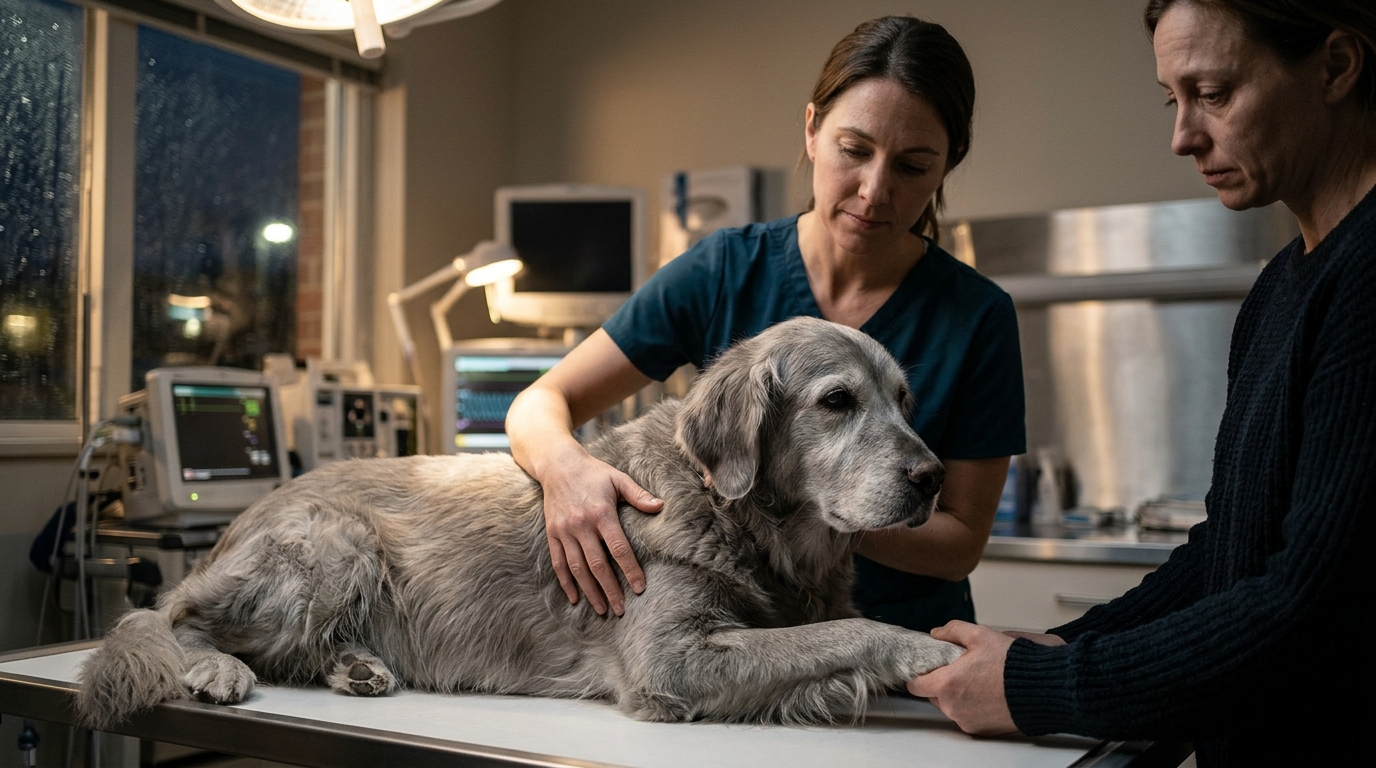
Call a 24/7 emergency veterinary hospital immediately. Do not wait for morning. Internal bleeding in senior dogs is a life-threatening emergency where minutes matter. At Los Angeles Animal Specialty Emergency & Rehabilitation (LAASER), our team is available 24/7 to stabilize critical patients. Keep your dog calm, restrict movement, and head to the nearest emergency facility without delay.
Recognizing the Signs of Internal Bleeding
Internal bleeding often presents with subtle signs that can be mistaken for general illness. Internal bleeding is the loss of blood from vessels inside the body, which can lead to shock if not treated. In senior dogs, common indicators include pale or white gums, a rapid heart rate, and a weak pulse. You may also notice your dog appearing lethargic, confused, or unable to stand. A distended or hard abdomen is another critical sign, particularly if the dog is retching without producing vomit. These symptoms indicate that the body is losing blood volume rapidly. Recognizing these signs early allows you to act before the condition becomes fatal.
Why Senior Dogs Are at Higher Risk
Older dogs face unique physiological challenges that increase the severity of bleeding events. Senior dog is a term generally applied to dogs aged seven or older, though this varies by breed size. As dogs age, their organs become less efficient at compensating for blood loss. Conditions like coagulopathies, tumors, or organ failure can make bleeding harder to control. For example, a senior dog with a history of liver disease may have impaired clotting factors, leading to prolonged bleeding from minor injuries. Understanding these risks helps pet owners recognize when a situation is more critical than usual. This awareness is crucial for making the decision to seek emergency care immediately.
Immediate First Aid and Stabilization
While preparing to leave, you can take simple steps to stabilize your pet. Keep your dog as still as possible to prevent further injury or bleeding. Do not offer food or water, as this can complicate anesthesia if surgery is required. If there is visible external bleeding, apply gentle pressure with a clean cloth, but do not probe wounds. Monitor your dog's breathing and gum color en route to the hospital. If your dog becomes unresponsive, check for a pulse and be prepared to perform CPR if you are trained. These actions buy time for the veterinary team to begin advanced treatment. Calm and controlled behavior from the owner also helps reduce the dog's stress, which can lower heart rate and blood pressure.
The Emergency Hospital Protocol
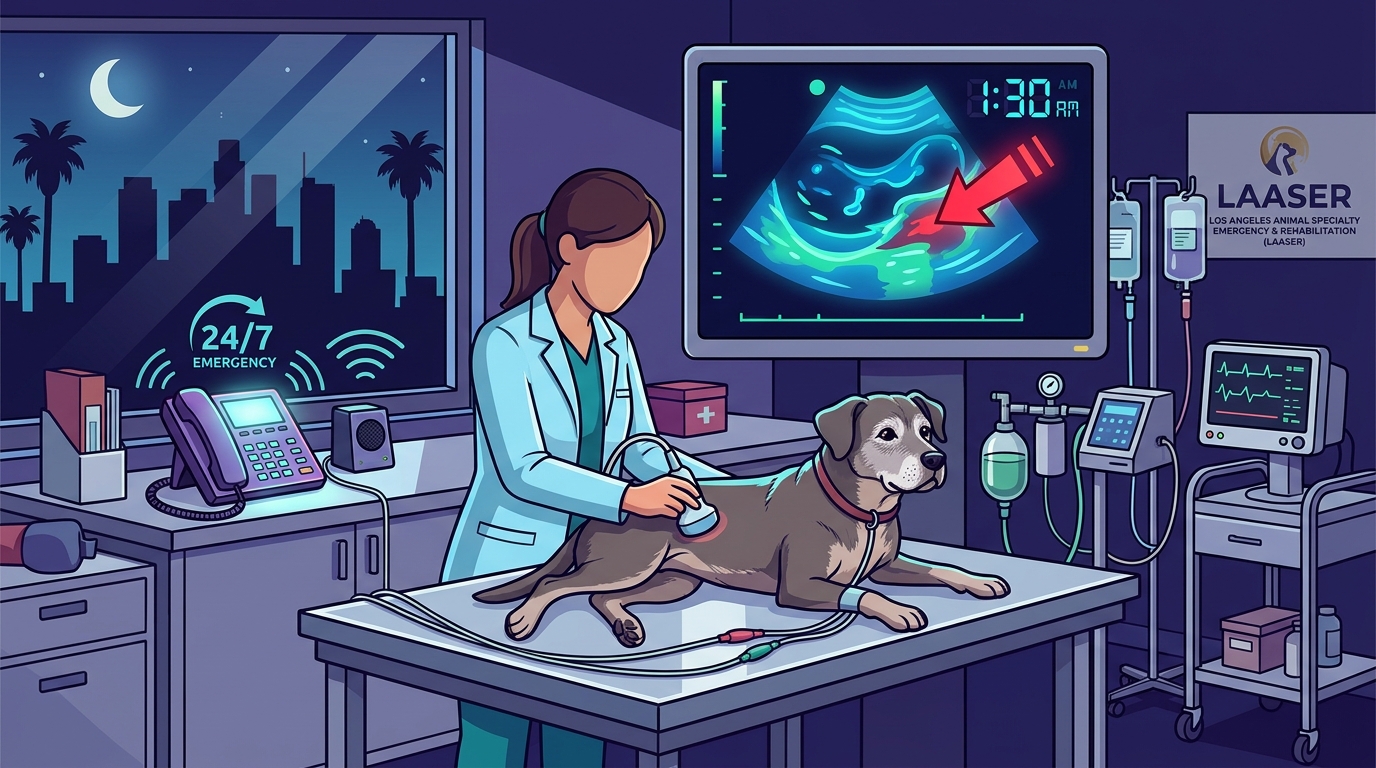
Upon arrival at a facility like LAASER, the triage team will assess your pet's condition immediately. Emergency triage is the process of prioritizing patients based on the severity of their medical needs. The veterinary team will likely perform rapid blood work, imaging, and fluid therapy to stabilize your dog. Because LAASER houses board-certified specialists in internal medicine, surgery, and critical care, complex cases can be managed under one roof. This integrated approach reduces the need for transfers, which can be dangerous for unstable patients. The goal is to restore blood volume and identify the source of bleeding as quickly as possible. This comprehensive care model is essential for improving outcomes in critical cases.
Preventing Future Emergencies
After the immediate crisis is resolved, focus on long-term management. Regular veterinary check-ups are vital for senior dogs to monitor organ function and detect early signs of disease. Discuss any medications your dog is taking with your veterinarian, as some can increase bleeding risk. Keeping a list of your dog's medical history and current medications can help emergency vets make faster decisions. If your dog has a known condition that predisposes them to bleeding, have a plan in place for 24/7 care. Proactive management can prevent minor issues from escalating into life-threatening emergencies. This ongoing partnership with your veterinary team ensures your senior dog remains as healthy and safe as possible.
Key Takeaways
- Internal bleeding in senior dogs is a medical emergency requiring immediate 24/7 veterinary care.
- Watch for pale gums, rapid heart rate, lethargy, and abdominal distension as key warning signs.
- Keep your dog calm and restrict movement while transporting them to the hospital.
- Do not feed or water your dog before arriving at the emergency facility.
- Facilities with in-house specialists, like LAASER, offer faster and more comprehensive critical care.
- Regular senior screenings help detect underlying conditions that increase bleeding risk.
Frequently Asked Questions
How can I tell if my senior dog is bleeding internally?
Look for pale or white gums, a rapid heart rate, weakness, confusion, and a distended abdomen. These signs indicate significant blood loss and require immediate veterinary attention.
Should I wait until morning if my dog seems stable?
No. Internal bleeding can worsen rapidly, even if the dog appears stable at first. Delaying care can lead to shock and organ failure. Always seek emergency care immediately.
What should I bring to the emergency vet?
Bring your dog's medical records, a list of current medications, and any recent test results. This information helps the veterinary team make faster and more accurate diagnoses.
Can internal bleeding be treated at home?
No. Internal bleeding requires advanced diagnostics and treatments such as surgery, blood transfusions, or intensive fluid therapy, which are only available at veterinary hospitals.
Why is LAASER a good choice for this emergency?
LAASER is a 24/7 emergency and specialty hospital with board-certified specialists in critical care, internal medicine, and surgery. This allows for comprehensive treatment without the need for transfers.
What is the cost of emergency care for internal bleeding?
Costs vary widely depending on the severity of the condition and treatments required. It is best to discuss financial options with the hospital staff upon arrival.
Conclusion
Time is the most critical factor when dealing with internal bleeding in a senior dog. If you notice signs of distress, do not hesitate to act. Contact LAASER or proceed directly to our hospital at 2500 N. San Fernando Road, Los Angeles, CA 90065. Our team is ready to provide the compassionate, expert care your pet needs during this critical time.