
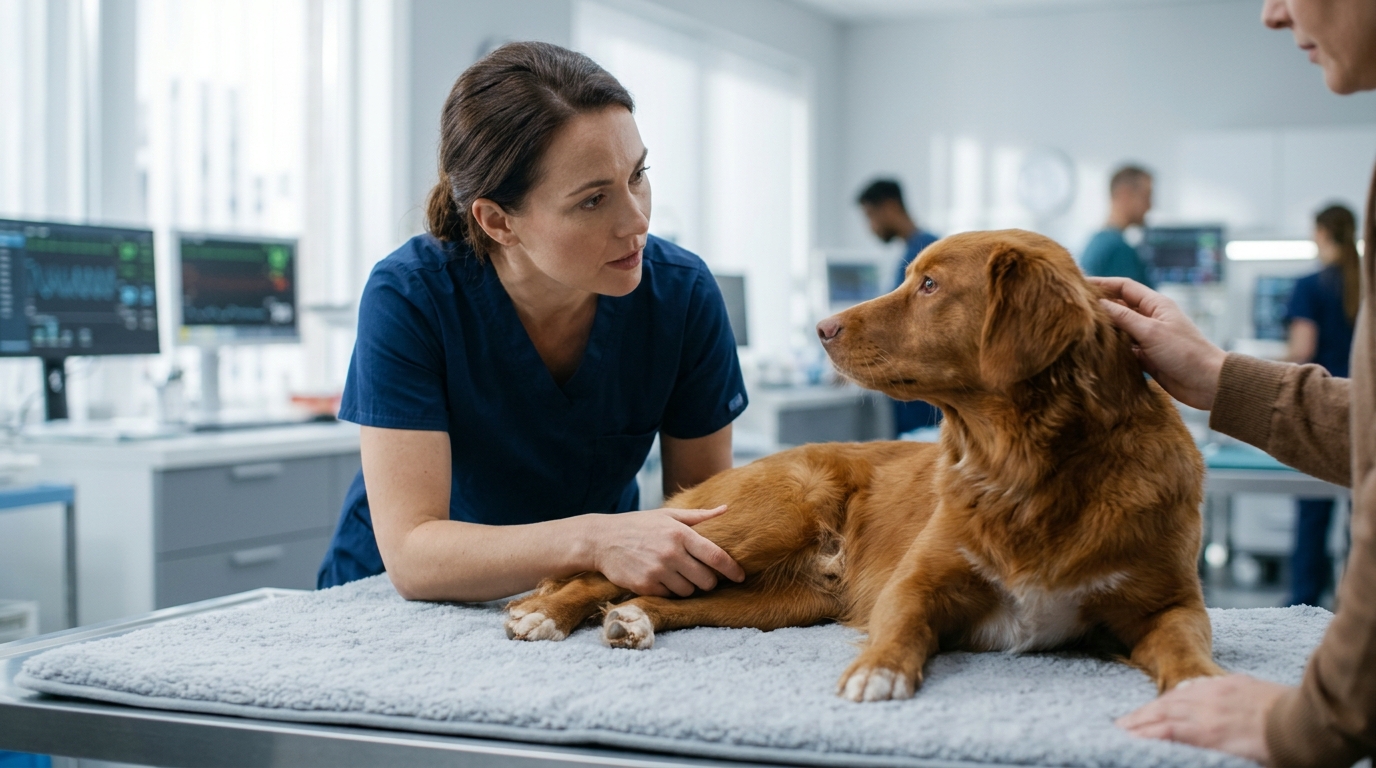
Neurological emergencies in dogs and cats are time-sensitive medical events requiring immediate specialist evaluation. At Los Angeles Animal Specialty Emergency & Rehabilitation (LAASER), our team prioritizes rapid triage for pets showing signs of spinal injury, seizures, or sudden paralysis. Prompt intervention is critical because the speed of treatment directly impacts the likelihood of full recovery. Understanding these signs allows pet owners to act decisively when their companion's nervous system is compromised.
Recognizing Critical Neurological Signs
Owners must identify subtle changes in behavior and movement that indicate nervous system distress. A neurological emergency is a sudden onset of symptoms affecting the brain, spinal cord, or peripheral nerves. Common indicators include sudden limb weakness, an uncoordinated or drunken gait known as ataxia, and head tilting. Pets may also exhibit seizures, staring spells, or a complete inability to stand. These signs often appear without warning, making immediate assessment vital.
At LAASER, our emergency team is trained to recognize these specific clinical presentations. We evaluate the severity of the condition to determine if the pet requires immediate surgical intervention or intensive medical management. Early recognition by the owner is the first step in saving a pet's function and quality of life.
The Urgency of Spinal Cord Injuries
Spinal trauma is one of the most critical neurological emergencies. A spinal cord injury is damage to the spinal cord that disrupts nerve signals between the brain and the body. In dogs, this often results from being hit by a vehicle, falling from a height, or intervertebral disc disease (IVDD). The severity of the injury dictates the prognosis. If a pet cannot support its own weight or take steps, the situation is a true emergency.
Time is the most significant factor in spinal recovery. Our neurology team at LAASER works to stabilize the spine and reduce inflammation as quickly as possible. Delaying care can lead to permanent loss of sensation and movement. We utilize advanced imaging to localize the injury and plan the most effective treatment strategy.
Advanced Diagnostics and Specialist Evaluation
Accurate diagnosis requires specialized testing that goes beyond standard physical exams. A veterinary neurologist is a specialist who has completed advanced residency training in diagnosing and treating nervous system disorders. At LAASER, our board-certified neurologists perform detailed neurological examinations to localize the lesion within the nervous system. This process helps determine whether the issue is in the brain, spinal cord, or peripheral nerves.
We utilize advanced imaging tools, including MRI and CT scans, to visualize soft tissue and bone structures. These diagnostics are essential for identifying conditions like tumors, disc herniations, or inflammatory diseases. The integration of these technologies allows our team to create a precise treatment plan tailored to the specific pathology.
Treatment Options and Surgical Interventions
Treatment depends on the underlying cause of the neurological emergency. Medical management may involve anti-inflammatory medications, steroids, or specific drugs to control seizures. In cases of structural damage, surgery is often required. A neurosurgical emergency is a condition where surgical correction is needed to prevent permanent neurological deficit. Our surgical team performs procedures such as hemilaminectomy for disc disease or stabilization of spinal fractures.
Post-operative care is equally important. We coordinate with our rehabilitation team to begin physical therapy early in the recovery process. This multidisciplinary approach ensures that pets regain strength and mobility as effectively as possible. The collaboration between neurology, surgery, and rehabilitation is a core strength of our hospital.
Rehabilitation and Long-Term Recovery
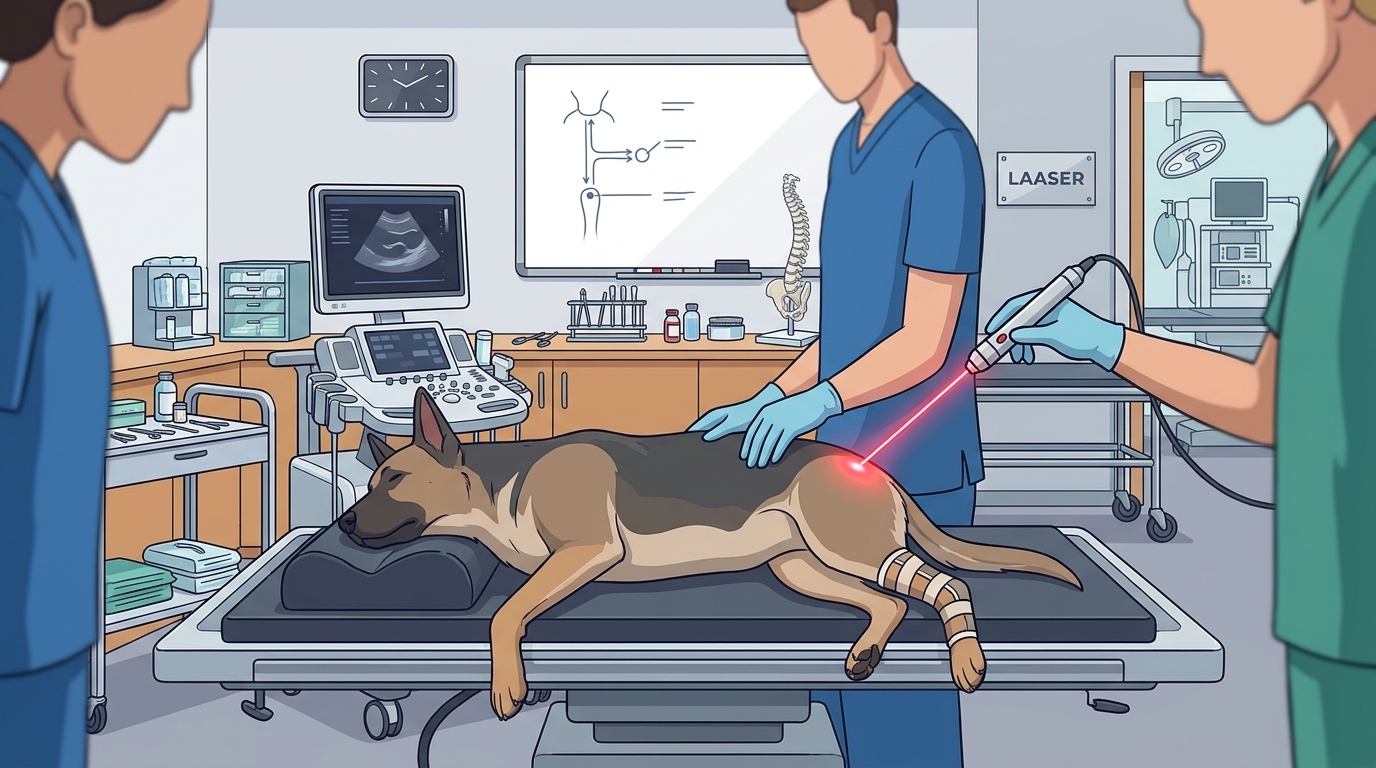
Recovery from neurological emergencies often extends beyond the initial hospital stay. Veterinary rehabilitation is a specialized field focused on restoring function and quality of life after injury or surgery. Our rehabilitation team uses therapies such as underwater treadmills, laser therapy, and manual therapy to aid recovery. These modalities help reduce pain, improve circulation, and strengthen muscles.
For pets with chronic conditions or those recovering from severe trauma, ongoing rehabilitation is crucial. We work closely with primary care veterinarians to ensure a seamless transition from emergency care to long-term management. This continuity of care helps pet owners navigate the recovery journey with confidence and support.
Key Takeaways
- Neurological emergencies require immediate veterinary attention to prevent permanent damage.
- Signs like sudden paralysis, ataxia, or seizures are critical red flags.
- Spinal injuries are time-sensitive; the sooner treatment begins, the better the prognosis.
- Board-certified neurologists use advanced imaging like MRI and CT for accurate diagnosis.
- Surgery and medical management are tailored to the specific type of neurological disorder.
- Rehabilitation therapy is essential for maximizing recovery and quality of life.
- LAASER provides 24/7 emergency care with integrated specialty services under one roof.
Frequently Asked Questions
What are the most common signs of a neurological emergency?
Common signs include sudden weakness or paralysis, uncoordinated movement (ataxia), head tilting, seizures, and changes in mental status. If your pet exhibits any of these symptoms, seek emergency care immediately.
How quickly should I seek care for a suspected spinal injury?
You should seek care immediately. Spinal injuries are time-sensitive, and delays in treatment can significantly reduce the chances of full recovery. Bring your pet to an emergency hospital as soon as possible.
Does LAASER have a board-certified neurologist?
Yes, LAASER has a board-certified neurologist, Dr. Timothy Krebs, who specializes in neurology and neurosurgery. He is available for consultations and emergency cases.
What kind of imaging does LAASER use for neurological cases?
LAASER utilizes advanced imaging technologies, including MRI and CT scans, to diagnose neurological conditions. These tools help identify the exact location and nature of the injury or disease.
Can rehabilitation help after a neurological emergency?
Yes, rehabilitation is a critical part of recovery. Our rehabilitation team uses therapies like underwater treadmills and laser therapy to help pets regain strength and mobility after surgery or injury.
Is a referral needed to see a neurologist at LAASER?
While a referral from your primary care veterinarian is helpful, you can bring your pet to our emergency department if they are experiencing a neurological emergency. Our team will coordinate with your primary vet as needed.
Conclusion
Neurological emergencies are serious but treatable conditions when addressed promptly. At Los Angeles Animal Specialty Emergency & Rehabilitation, we provide comprehensive care for pets with nervous system disorders. Our team of specialists works together to diagnose, treat, and rehabilitate your pet. If you notice any sudden changes in your pet's movement or behavior, do not wait. Contact us immediately to ensure your companion receives the expert care they need.