
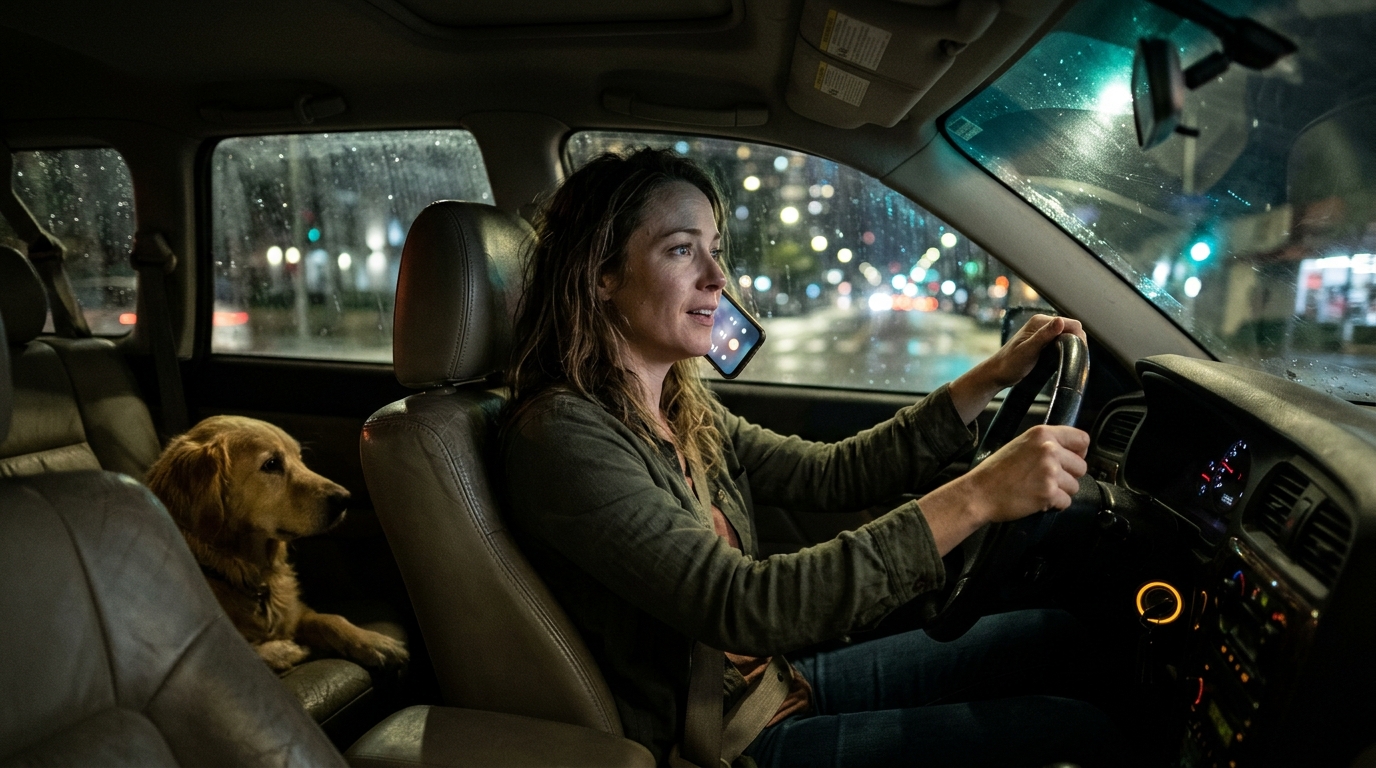
When a pet faces a medical crisis at 3 AM, the fastest way to reach care is to call the hospital's 24/7 triage line before driving. Los Angeles Animal Specialty Emergency & Rehabilitation (LAASER) operates around the clock, allowing owners to speak directly with a triage technician who can assess urgency and prepare the team for your arrival. This direct communication ensures that critical cases are stabilized immediately upon entry, reducing wait times for the most severe conditions.
The Critical First Step: Calling the Triage Line
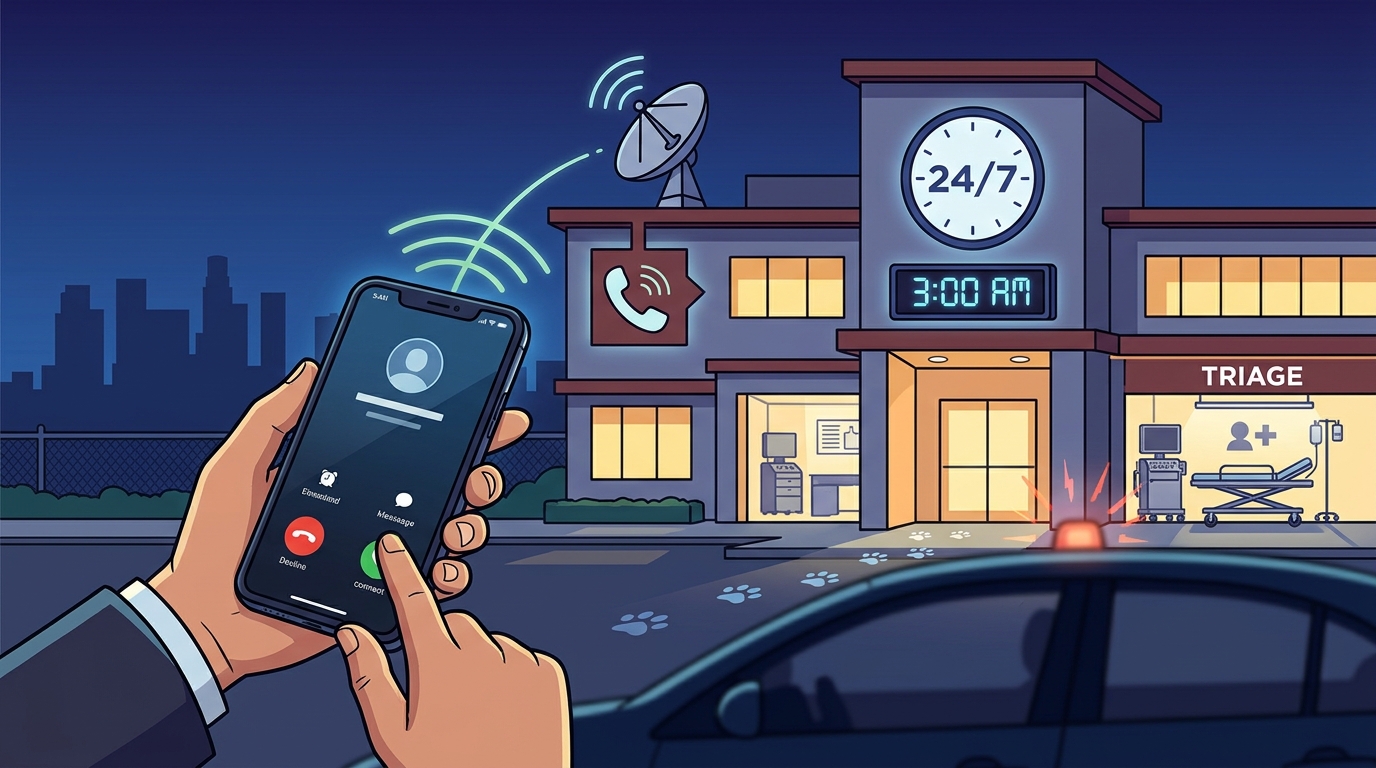
Emergency veterinary care is a specialized field focused on stabilizing patients with life-threatening conditions. At 3 AM, the most effective action is to call the hospital's dedicated emergency number. For LAASER, this line is 323-800-VETS (8387). When you call, a triage technician will answer, not a voicemail. They will ask about your pet's symptoms, such as difficulty breathing, collapse, or severe bleeding, to determine the level of urgency.
This phone call serves two vital purposes. First, it alerts the medical team that a patient is en route, allowing them to prepare necessary equipment and medications. Second, it provides immediate guidance on what to do while you are driving. For example, if your pet is experiencing a seizure, the technician can advise you on how to keep them safe during transport. This proactive step is far more efficient than arriving unannounced, as it allows the hospital to prioritize your pet based on clinical severity rather than arrival time. according to Small Animal Emergency
Navigating to the Hospital at Night
Once you have called, you need to know exactly where to go. LAASER is located at 2500 N. San Fernando Road, Los Angeles, CA 90065. This address is in the Glassell Park neighborhood, which is easily accessible from major freeways like the 10 and 110. At 3 AM, traffic is typically light, but you should still allow for a buffer in case of unexpected road closures or accidents.
When driving to an emergency hospital at night, safety is paramount. Keep your pet secured in a crate or on a seatbelt to prevent them from moving around the vehicle. If your pet is in distress, keep the car cool and the windows slightly open for airflow if safe to do so. Upon arrival, look for the emergency entrance, which is often clearly marked. If you are unsure of the exact entry point, the triage technician can guide you via phone while you are in the parking lot. Knowing the specific location and having a clear route plan reduces stress for both you and your pet during a high-anxiety situation.
Understanding Triage and Wait Times
Emergency veterinary medicine is a discipline that prioritizes patients based on the severity of their condition. This process is known as triage. When you arrive at LAASER, a triage technician will promptly assess your pet's vital signs, including heart rate, respiratory rate, and temperature. Pets are treated based on the severity of their condition, ensuring that the most critically ill or injured patients receive immediate attention. according to Companion Exotic Animal
It is important to understand that wait times vary depending on the number and severity of emergencies currently being treated. While some pets may be seen immediately, others with less urgent conditions may experience longer wait times. Although the waiting room may occasionally appear quiet, the medical team is often actively caring for hospitalized patients, performing emergency surgeries, and stabilizing critical cases behind the scenes. Every member of the team is working to ensure each patient receives the care they need. Patience is required, but the system is designed to save lives by focusing resources on those in the most immediate danger.
What to Bring and How to Prepare
Before you leave the house, gather essential items that will help the veterinary team provide the best care. Bring your pet's medical records, if you have them, including vaccination history and any previous diagnoses. If you have a list of current medications, bring that as well. These details help the doctors avoid drug interactions and understand your pet's baseline health. Additionally, bring a leash, a carrier, and any items your pet uses for comfort, such as a familiar blanket.
Financial preparation is also a practical consideration. Emergency care can be costly, and having a payment method ready can expedite the check-in process. LAASER offers payment options through Cherry, a buy now, pay later service that provides 0% APR options and no hard credit checks. This can help manage the financial burden of unexpected medical bills. By having your payment information and medical records ready, you allow the front desk staff to process your registration quickly, so the medical team can focus entirely on your pet's care.
Access to Specialty Care Under One Roof
One of the distinct advantages of a multi-specialty emergency hospital is the immediate access to advanced diagnostics and specialized treatment. LAASER's emergency team works closely with board-certified specialists in Neurology and Neurosurgery, Surgery, Cardiology, and Internal Medicine. This collaborative approach allows for rapid diagnosis of complex conditions without the delays of transferring your pet between facilities.
For instance, if your pet arrives with signs of a neurological issue, such as seizures or paralysis, the emergency team can consult with the neurology team directly. This seamless continuity of care is crucial in the early hours of the morning when time is of the essence. The hospital is equipped with advanced imaging technology, including CT and MRI, which can be utilized immediately if needed. This integrated model ensures that your pet receives comprehensive care in one location, providing peace of mind to pet owners during a stressful night.
Key Takeaways
- Call the 24/7 triage line at 323-800-VETS (8387) before driving to LAASER to prepare the team.
- LAASER is located at 2500 N. San Fernando Road, Los Angeles, CA 90065, and is open 24/7/365.
- Triage prioritizes patients based on clinical severity, not arrival time, so wait times may vary.
- Bring medical records, current medication lists, and a secure carrier or leash for your pet.
- Payment options like Cherry are available to help manage the cost of emergency care.
- Specialty services in neurology, surgery, and cardiology are available on-site for complex cases.
Frequently Asked Questions
Is LAASER open at 3 AM?
Yes, LAASER provides emergency veterinary care 24 hours a day, 7 days a week, 365 days a year. You can arrive at any time, including 3 AM, without an appointment.
Do I need an appointment for an emergency visit?
No, appointments are not necessary for emergency visits. You should call the triage line first to alert the team, but you can also drive directly to the hospital if you are unable to call.
What is the phone number for LAASER?
The main phone number for LAASER is 323-800-VETS (8387). This line is staffed 24/7 for emergency inquiries.
Where is the hospital located?
LAASER is located at 2500 N. San Fernando Road, Los Angeles, CA 90065. It is situated in the Glassell Park neighborhood.
Do they accept pet insurance?
LAASER works with most major pet insurance providers. You should contact your insurance company to verify coverage before or during your visit, as policies vary.
What should I do if my pet is having a seizure at 3 AM?
Keep your pet safe from injury, do not restrain them, and note the duration of the seizure. Call the triage line immediately for guidance and then transport your pet to the hospital.
Conclusion
Reaching an emergency animal hospital at 3 AM requires quick, decisive action. By calling the triage line at 323-800-VETS (8387) and knowing the location of Los Angeles Animal Specialty Emergency & Rehabilitation, you can ensure your pet receives the immediate care they need. The hospital's 24/7 availability and integrated specialty services provide a comprehensive safety net for pet owners in Los Angeles. If you are ever in doubt about your pet's condition, do not hesitate to call. The team at LAASER is ready to help you and your pet through any medical crisis, day or night.