
Emergency Surgical Procedures at Specialty Vet Hospitals: What to Expect
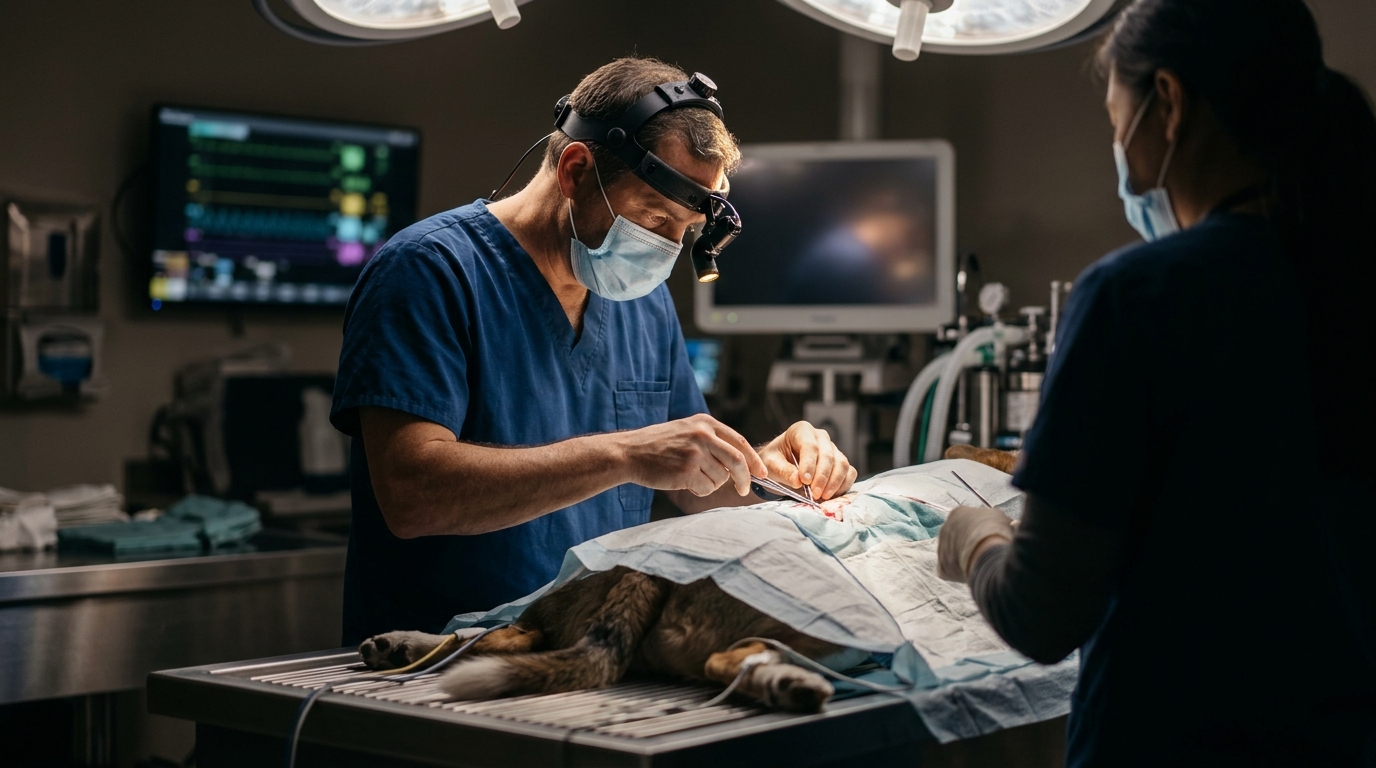
Emergency surgical procedures at specialty veterinary hospitals are time-sensitive interventions performed by board-certified surgeons to address life-threatening or severe injuries. At Los Angeles Animal Specialty Emergency & Rehabilitation (LAASER), these procedures are conducted in a 24/7 facility equipped with advanced imaging and critical care support. Understanding the scope, risks, and recovery process helps pet owners make informed decisions during high-stress moments.
The Scope of Emergency Veterinary Surgery
Emergency surgery is a medical intervention performed to stabilize a patient experiencing acute trauma, obstruction, or organ failure. Unlike elective procedures, these surgeries are often performed within hours of arrival to prevent permanent damage or death. At LAASER, the surgical team handles a wide range of critical cases, from trauma to internal organ emergencies.
The primary goal is stabilization and life preservation. Surgeons focus on controlling bleeding, removing obstructions, and repairing structural damage. Because these cases are unpredictable, the surgical plan may evolve during the procedure based on intraoperative findings. This flexibility is a hallmark of specialty emergency surgery.
Common Emergency Surgical Cases
While every case is unique, common emergency surgical scenarios include:
- Blunt force trauma from vehicle accidents
- Intestinal obstructions from foreign body ingestion
- Urethral obstructions in male cats
- Severe lacerations or puncture wounds
- Fractures requiring immediate stabilization
These conditions require rapid assessment and intervention. The presence of a full-time surgical team in an emergency hospital ensures that these cases can be addressed without the delays associated with transferring patients to a separate surgical facility.
The Role of the Specialty Surgical Team
A veterinary surgeon is a specialist who has completed advanced residency training and board certification in surgery. At LAASER, our surgical team includes board-certified surgeons who work closely with emergency and critical care veterinarians. This multidisciplinary approach ensures that patients receive comprehensive care from arrival through recovery.
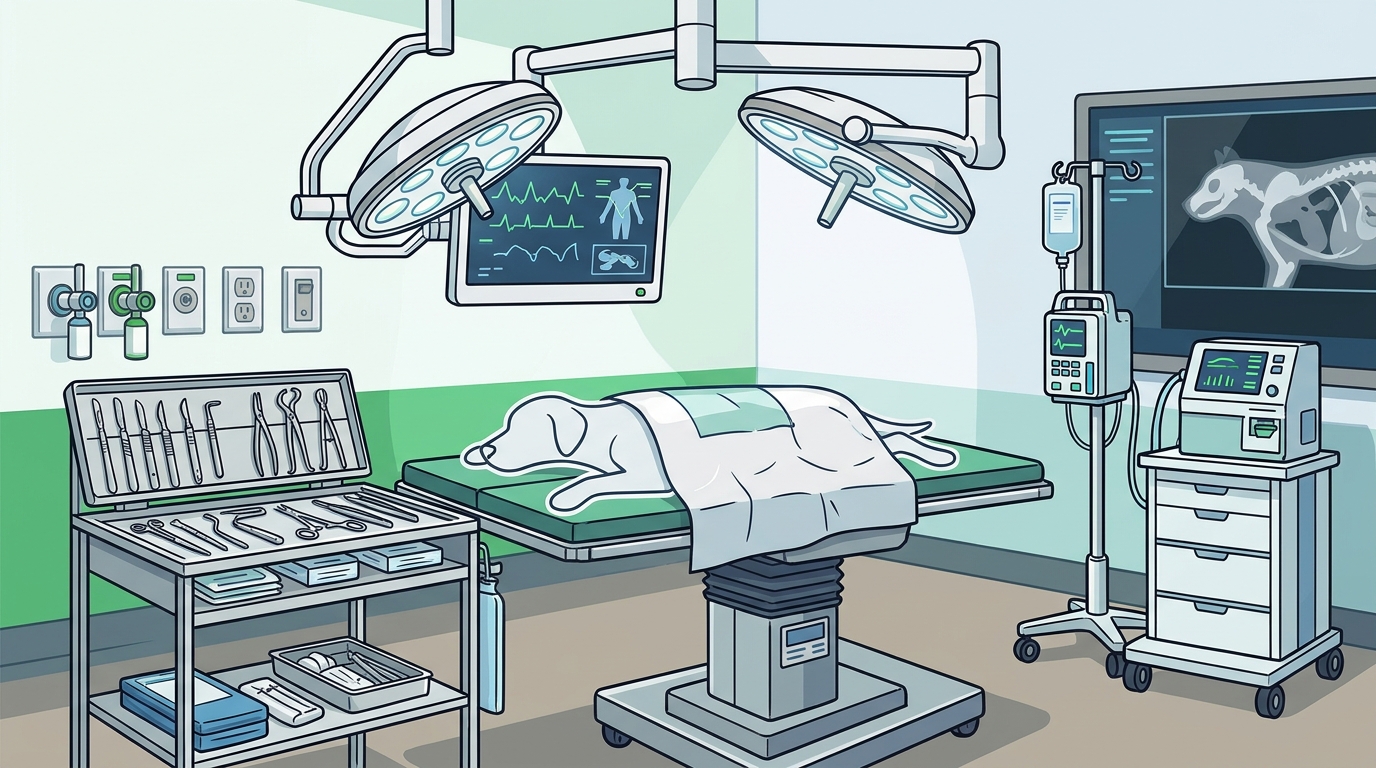
The surgical team at LAASER is supported by advanced in-house equipment, including a 128-slice CT scanner, digital radiography, and fluoroscopic imaging. These tools allow surgeons to visualize internal structures in real-time, improving diagnostic accuracy and surgical precision. The integration of imaging and surgery under one roof is a critical advantage for emergency cases.
Collaborative Care Model
Emergency surgery is rarely a standalone event. It is part of a continuum of care that includes pre-operative stabilization, intraoperative monitoring, and post-operative critical care. At LAASER, the surgical team collaborates with our internal medicine, neurology, and rehabilitation departments to create a holistic treatment plan. This collaboration ensures that patients receive the best possible outcomes.
Risks and Considerations in Emergency Surgery
Emergency surgery carries inherent risks, particularly because patients are often unstable at the time of the procedure. Factors such as shock, dehydration, and underlying health conditions can complicate anesthesia and recovery. At LAASER, our critical care team works to mitigate these risks by providing intensive monitoring and support.
It is important for pet owners to understand that emergency surgery is not always curative. In some cases, the goal is to stabilize the patient and allow time for further diagnostic workup. The surgical team will communicate clearly about the risks, benefits, and expected outcomes before proceeding. Informed consent is a critical part of this process.
Anesthesia and Monitoring
Modern veterinary anesthesia is highly sophisticated, with continuous monitoring of vital signs including heart rate, blood pressure, oxygen saturation, and temperature. At LAASER, our anesthesiologists and critical care nurses provide round-the-clock monitoring for post-operative patients. This level of care is essential for ensuring patient safety during the recovery phase.
Post-Operative Recovery and Rehabilitation
Recovery from emergency surgery is a gradual process that requires careful management of pain, nutrition, and mobility. At LAASER, our rehabilitation and integrative medicine team works with surgical patients to develop customized recovery plans. These plans may include physical therapy, acupuncture, and pain management strategies.
The duration of hospitalization varies depending on the severity of the case and the patient's response to treatment. Some patients may be discharged within 24-48 hours, while others may require several days of intensive care. The surgical team will provide clear discharge instructions and follow-up recommendations to ensure a smooth transition home.
Long-Term Outcomes
Long-term outcomes for emergency surgical patients depend on the nature of the injury and the patient's overall health. Many patients make a full recovery and return to their normal activities. In some cases, ongoing management may be required to address residual issues. The collaborative care model at LAASER ensures that patients have access to the resources they need for long-term wellness.
Financial Considerations and Planning
Emergency surgery is a significant financial investment. Costs can vary widely depending on the complexity of the procedure, the duration of hospitalization, and the need for advanced diagnostics. At LAASER, we provide transparent estimates and discuss financial options with pet owners before treatment begins.
Payment Options
Key Takeaways
- Emergency surgery is a time-sensitive intervention performed by board-certified surgeons to address life-threatening conditions.
- Specialty hospitals like LAASER offer integrated care, combining surgery with critical care, imaging, and rehabilitation under one roof.
- Advanced imaging tools, such as CT scanners and fluoroscopy, enhance diagnostic accuracy and surgical precision.
- Emergency surgery carries inherent risks, but modern anesthesia and critical care monitoring help mitigate these risks.
- Post-operative recovery is a gradual process that may require physical therapy and ongoing management.
- Financial planning is essential for managing the costs of emergency veterinary care.
- Clear communication with the surgical team is crucial for making informed decisions during high-stress moments.
Frequently Asked Questions
What is the difference between emergency surgery and elective surgery?
Emergency surgery is performed to address acute, life-threatening conditions, while elective surgery is scheduled in advance for non-urgent issues. Emergency surgery requires rapid decision-making and is often performed within hours of arrival.
How long does a pet stay in the hospital after emergency surgery?
The duration of hospitalization varies depending on the severity of the case and the patient's response to treatment. Some patients may be discharged within 24-48 hours, while others may require several days of intensive care.
What are the risks of emergency surgery in pets?
Risks include complications from anesthesia, infection, bleeding, and adverse reactions to medications. These risks are mitigated by modern monitoring techniques and the expertise of the surgical and critical care teams.
How much does emergency surgery cost?
Costs vary widely depending on the complexity of the procedure and the duration of hospitalization. It is advisable to discuss financial options and estimates with the veterinary team before treatment begins.
Can my pet recover fully from emergency surgery?
Many pets make a full recovery from emergency surgery, especially when treated promptly and supported by comprehensive post-operative care. Long-term outcomes depend on the nature of the injury and the patient's overall health.
What should I do if my pet needs emergency surgery?
Trust the expertise of the veterinary team and ask questions to understand the risks, benefits, and expected outcomes. Clear communication is essential for making informed decisions during high-stress moments.
Conclusion
Emergency surgical procedures at specialty veterinary hospitals are complex, time-sensitive interventions that require a multidisciplinary approach. At Los Angeles Animal Specialty Emergency & Rehabilitation (LAASER), our team of board-certified surgeons, critical care specialists, and rehabilitation experts work together to provide comprehensive care for pets in need. If your pet is experiencing a medical emergency, do not hesitate to contact us. Our 24/7 team is ready to provide the care your pet needs.