
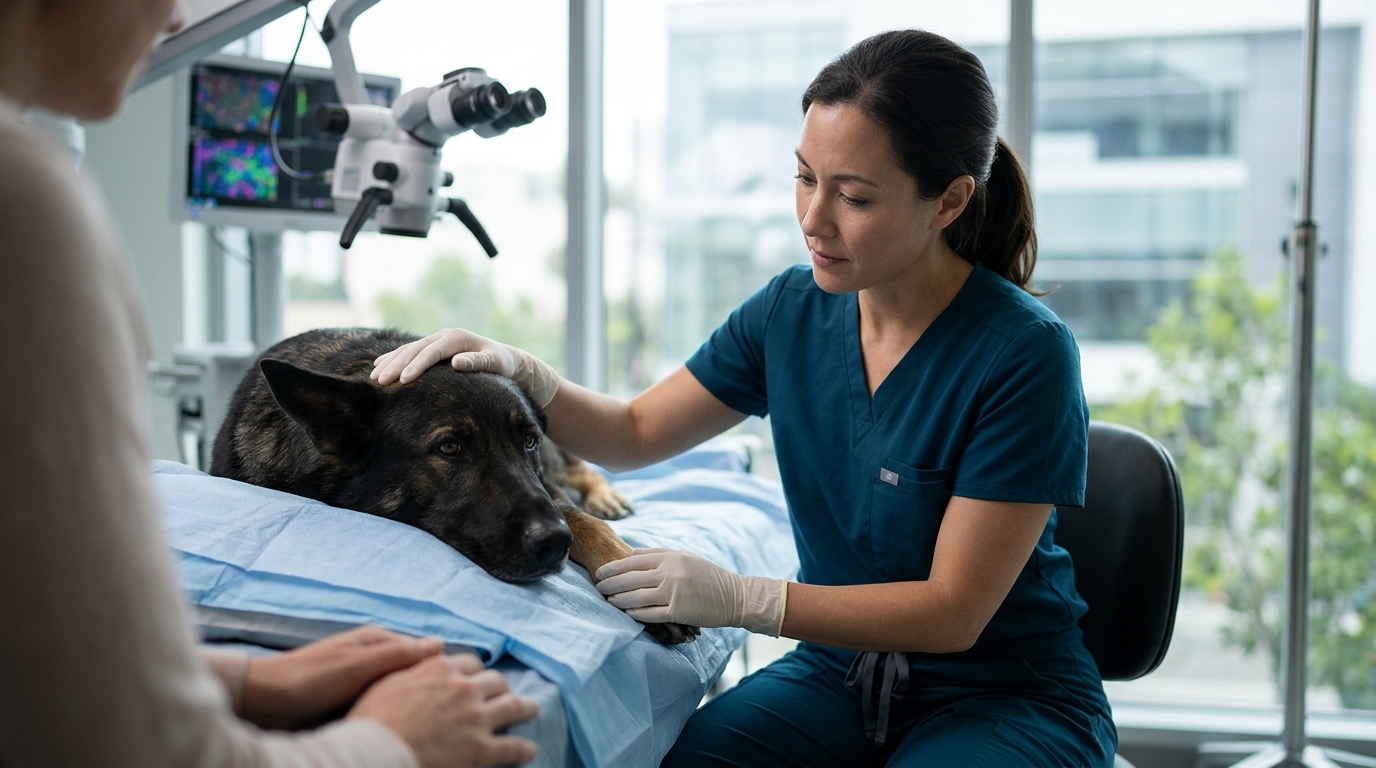
7 Essential Steps for Getting Your Pet Neurosurgery in Los Angeles
Navigating the path to veterinary neurosurgery can feel overwhelming for pet owners in Los Angeles. Understanding the specific signs of neurological distress and the referral process is critical for your pet's recovery. This guide outlines the precise steps to secure specialized care at a facility like Los Angeles Animal Specialty Emergency & Rehabilitation.
Step 1: Recognize Neurological Warning Signs
Identify symptoms like ataxia, seizures, or head tilting immediately. Veterinary neurology is the branch of medicine that deals with the diagnosis and treatment of diseases of the nervous system. Common indicators include an uncoordinated or drunken gait, known as ataxia, and balance disorders such as vertigo. You may also notice behavioral changes, such as walking in circles or staring off into space. Recognizing these signs early allows for a faster response to potential spinal or brain issues.
Step 2: Contact Your Primary Care Veterinarian
Consult your regular vet to initiate the diagnostic process. Your primary care veterinarian is often the first to recommend evaluation by a specialist based on the signs your pet is exhibiting. They will perform an initial assessment and may order basic blood work or imaging. This step is crucial because it establishes a baseline for your pet's health before they are seen by a neurologist. Do not delay this consultation if you observe sudden paralysis or loss of coordination.
Step 3: Obtain a Formal Referral
Secure a referral to a specialty hospital for advanced evaluation. A veterinary neurologist is a specialist who has completed advanced training in the diagnosis and treatment of neurological disorders. Most specialty hospitals, including LAASER, require a referral from your primary care veterinarian to schedule a neurology appointment. This ensures that the specialist has access to your pet's complete medical history and previous diagnostic results. The referral process helps streamline the intake and ensures the correct department sees your pet.
Step 4: Undergo Advanced Diagnostic Imaging
Prepare for MRI and spinal fluid analysis to localize the issue. Once referred, the neurology team will perform a specialized examination to localize the area of the nervous system that is affected. Additional testing is often required to identify the underlying condition, which can include an MRI and a spinal fluids analysis. At LAASER, the team utilizes high-tech imaging modalities to navigate the complexities of the nervous system with precision. These diagnostics are essential for determining whether the condition is treatable through medication or surgery.
Step 5: Discuss Surgical Options and Risks
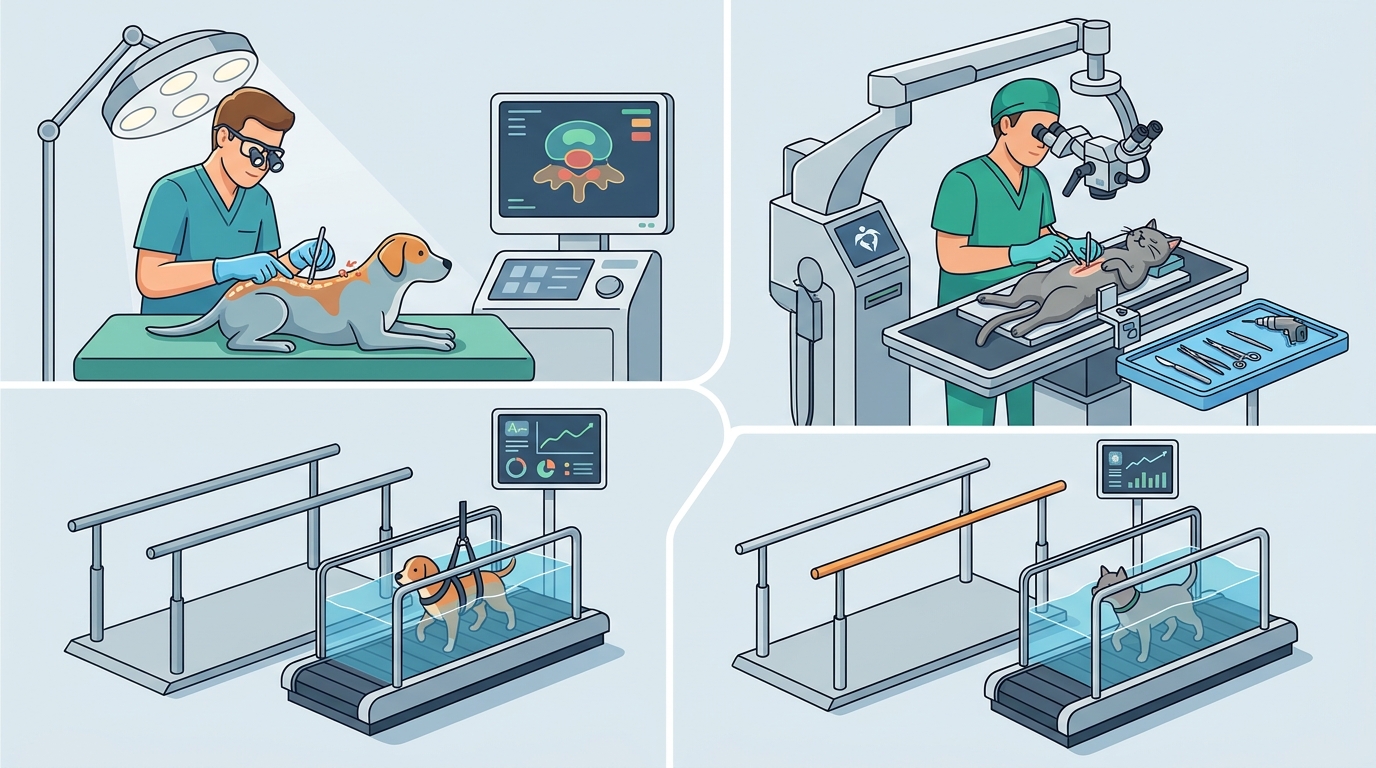
Review the necessity of surgery versus medical management. Based on the diagnostic results, the neurosurgeon will discuss the best course of action, which may involve surgical correction of an underlying issue. In some cases, treatment involves starting specific medications to manage the diagnosed disease, but surgery is often required for structural problems like spinal cord compression. It is important to understand the risks and benefits of each approach. The goal of neurosurgery is to restore mobility, alleviate pain, and improve your pet's quality of life.
Step 6: Schedule the Surgical Procedure
Coordinate timing with the surgical team for optimal care. If surgery is recommended, the next step is scheduling the procedure with the surgical team. At LAASER, the neurosurgeon performs intricate procedures with state-of-the-art equipment to address neurological conditions with finesse. The timing of the surgery may depend on the stability of your pet's condition and the availability of the surgical team. Ensuring your pet is in the best possible health status before the operation is a key part of this planning phase.
Step 7: Plan for Post-Operative Rehabilitation
Integrate rehabilitation therapy to maximize recovery outcomes. Rehabilitation medicine is the specialty focused on restoring function and mobility after injury or surgery. After neurosurgery, pets often require a customized treatment program that includes physical therapy, acupuncture, and pain management. The rehabilitation team works side by side with the neurology and surgery teams to ensure a seamless recovery. This collaborative approach helps your pet regain the highest level of performance or self-reliance.
Choosing the Right Path
When deciding on the next steps for your pet, prioritize facilities that offer a collaborative, multi-specialty approach. Look for hospitals where the neurology, surgery, and rehabilitation teams work together under one roof. This ensures that your pet receives comprehensive care without the stress of multiple transfers. If you are unsure whether your pet's condition requires immediate attention, it is always appropriate to contact an emergency veterinary hospital for guidance.
Frequently Asked Questions
What are the most common reasons for pet neurosurgery?
The most common reasons include intervertebral disc disease (IVDD), spinal tumors, and trauma to the spinal cord. These conditions can cause compression of the spinal cord, leading to pain and loss of mobility. Surgery is often performed to relieve this compression and protect the nervous system.
How long does recovery take after veterinary neurosurgery?
Recovery time varies depending on the severity of the condition and the specific procedure performed. Some pets may show improvement within days, while others may require weeks or months of rehabilitation. Consistent physical therapy and pain management are critical during this period.
Is neurosurgery safe for older pets?
Age alone is not a disqualifier for neurosurgery. The decision depends on the pet's overall health, the severity of the neurological condition, and the risks associated with anesthesia. A thorough pre-operative assessment helps determine if a senior pet is a good candidate for surgery.
Do I need a referral to see a veterinary neurologist?
Yes, most specialty veterinary hospitals require a referral from your primary care veterinarian. This ensures that the specialist has access to your pet's medical history and previous diagnostic results, which helps in making an accurate diagnosis and treatment plan.
What is the role of rehabilitation in neurosurgery recovery?
Rehabilitation plays a vital role in restoring mobility and function after neurosurgery. Techniques such as physical therapy, hydrotherapy, and acupuncture help strengthen muscles and improve coordination. A structured rehabilitation program can significantly improve the long-term outcome for your pet.
Where can I find emergency neurology care in Los Angeles?
Los Angeles Animal Specialty Emergency & Rehabilitation (LAASER) provides emergency and specialty care, including neurology and neurosurgery. They are available 24 hours a day, 7 days a week, for urgent cases. For non-urgent referrals, you can contact them to schedule an appointment with their neurology team.