
What to Know About Finding Neurosurgery Care for Your Pet in Los Angeles
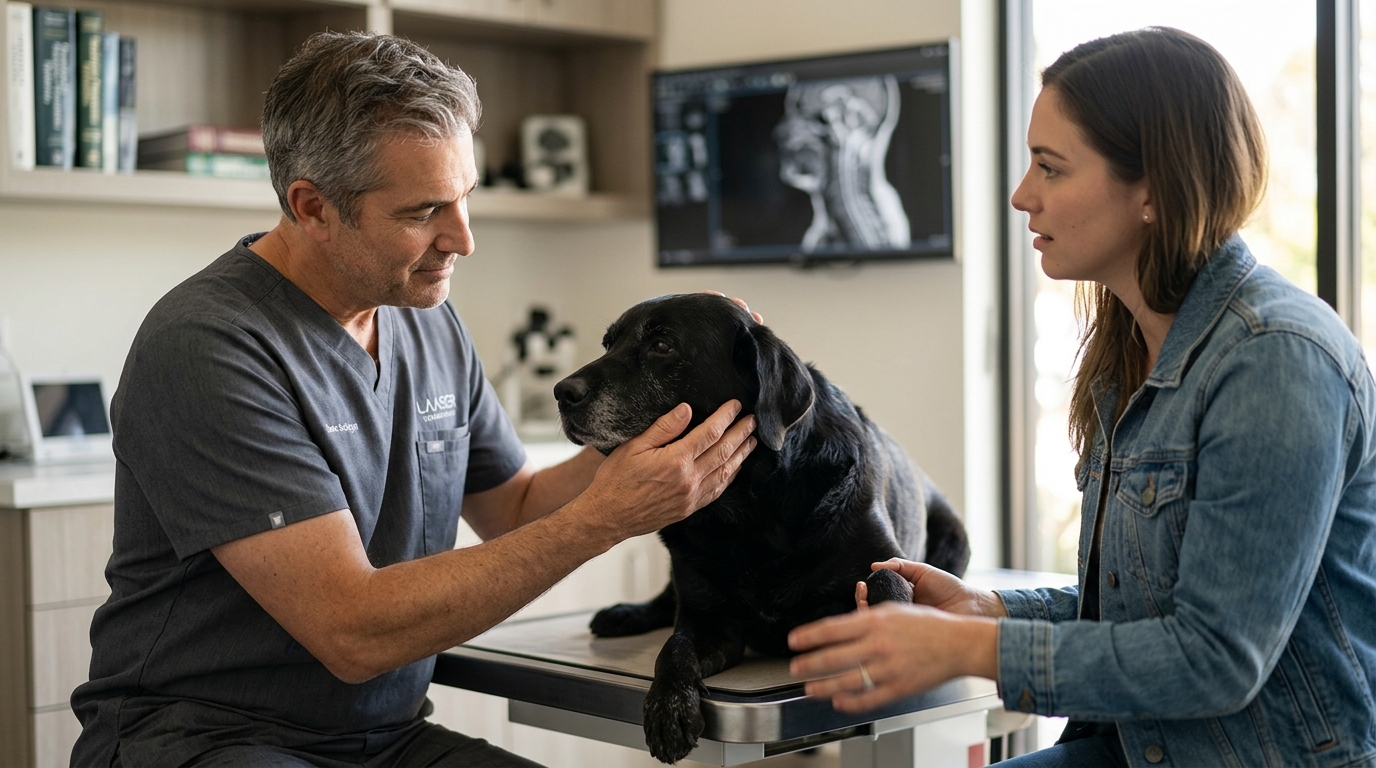
Choosing the right neurosurgery provider for your pet in Los Angeles requires verifying board certification, advanced imaging capabilities, and 24/7 emergency access. LAASER, located in Glassell Park, offers specialized neurology and neurosurgery services led by board-certified specialists. This ensures your pet receives immediate, expert care for complex neurological conditions without the delays of transferring between facilities.
Why Board Certification Matters in Veterinary Neurosurgery
Board certification is the gold standard for veterinary specialists. It verifies that a veterinarian has completed rigorous post-graduate training and passed a comprehensive examination. In neurosurgery, this credential ensures the doctor has the specific skills to handle delicate nervous system procedures. At LAASER, our neurology and neurosurgery team includes Dr. Timothy Krebs, who holds the DACVIM credential. This designation confirms his expertise in diagnosing and treating complex neurological disorders.
When searching for a neurosurgeon, ask about their specific board certifications. A general practitioner may handle minor issues, but complex cases like spinal cord compression or brain tumors require specialized training. The American College of Veterinary Internal Medicine (ACVIM) and the American College of Veterinary Surgeons (ACVS) are the primary bodies that certify these specialists. Verifying these credentials helps you ensure your pet is in the hands of a qualified expert.
The Critical Role of Advanced Imaging
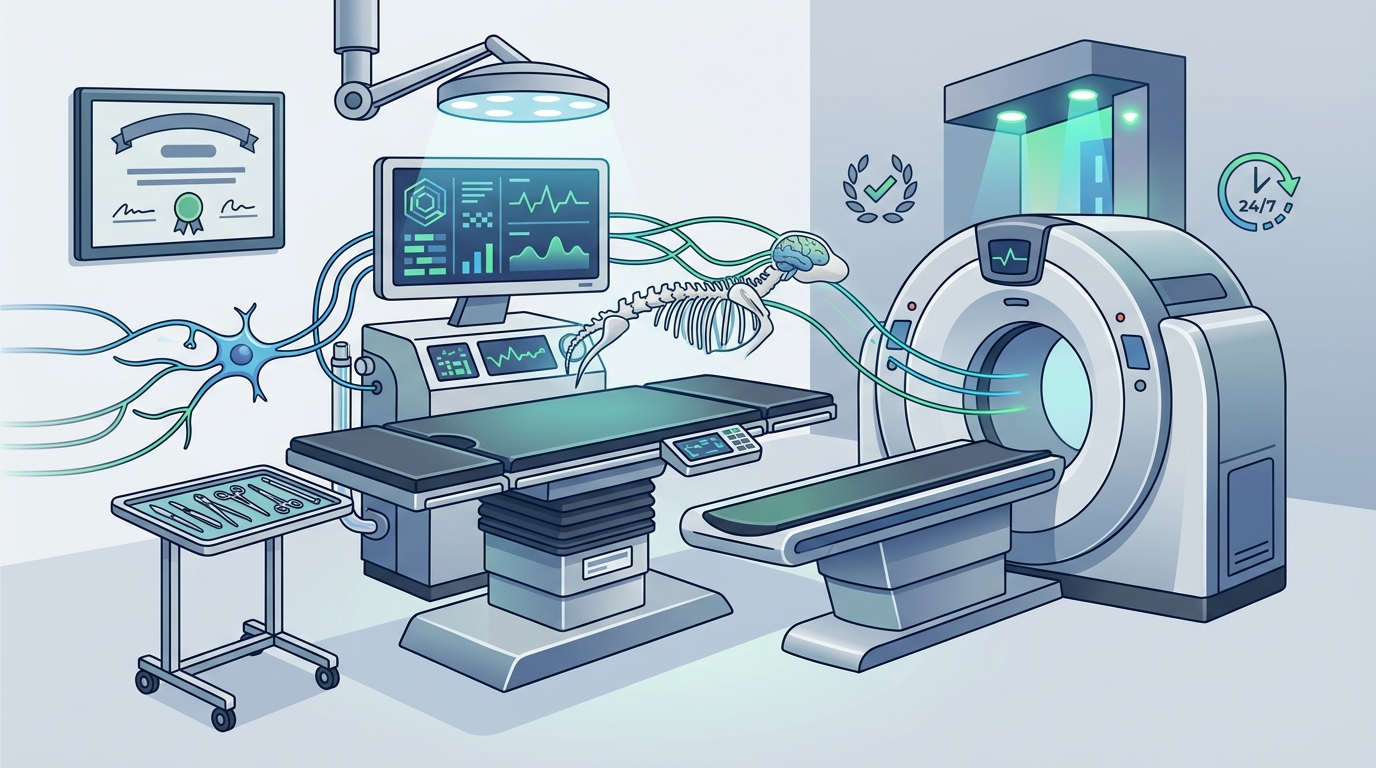
Accurate diagnosis is the foundation of successful neurosurgery. Without high-quality imaging, it is impossible to pinpoint the exact location and severity of a neurological issue. LAASER is equipped with a 32-slice CT scanner and advanced MRI capabilities. These tools allow our team to visualize the brain and spinal cord in detail. This precision is essential for planning surgical interventions and monitoring recovery.
Many general veterinary clinics lack on-site advanced imaging. This often forces pet owners to transport their sick or injured animals to separate diagnostic centers. This process can be stressful for the pet and delays critical treatment. By having imaging and surgery under one roof, LAASER streamlines the care process. This integrated approach reduces the time between diagnosis and treatment, which is vital for neurological emergencies.
Recognizing Neurological Emergencies
Neurological symptoms can develop rapidly and require immediate attention. Common signs include sudden paralysis, loss of coordination, seizures, or head tilting. If your pet exhibits these symptoms, time is of the essence. LAASER provides 24/7 emergency care, ensuring that neurosurgical consultation is available at any hour. Our emergency team works closely with our neurology specialists to stabilize patients and initiate treatment immediately.
Do not wait for a regular business hours appointment if your pet is showing acute neurological signs. Conditions like intervertebral disc disease (IVDD) or fibrocartilaginous embolism (FCE) can worsen quickly. Prompt intervention can significantly improve the chances of a full recovery. If you are unsure whether your pet's symptoms constitute an emergency, call LAASER at (323) 800-VETS (8387) for guidance. Our team is ready to help you make the right decision.
Choosing a Hospital with Integrated Specialty Care
Neurological conditions often coexist with other medical issues. A hospital that offers only neurosurgery may not be equipped to manage concurrent problems like kidney disease or heart failure. LAASER is a multi-specialty hospital that includes internal medicine, cardiology, and rehabilitation services. This comprehensive approach allows our team to address all aspects of your pet's health. It ensures that your pet receives holistic care tailored to their specific needs.
Integrated care also simplifies communication for pet owners. Instead of coordinating between multiple providers, you have a single point of contact. Our team works collaboratively to create a unified treatment plan. This reduces confusion and ensures that all medical decisions are aligned. For pet owners in Los Angeles, choosing a hospital with integrated specialty services can make a significant difference in the quality of care your pet receives.
Rehabilitation and Long-Term Recovery
Surgery is often just the beginning of the recovery process. Neurological patients typically require extensive rehabilitation to regain strength and mobility. LAASER offers a dedicated rehabilitation and integrative medicine department. Our team, led by Dr. Masami Seplow, specializes in canine rehabilitation and veterinary acupuncture. These therapies help pets regain function and improve their quality of life after surgery.
Rehabilitation is not optional for many neurological patients. It is a critical component of the treatment plan. By having rehabilitation services on-site, LAASER ensures a seamless transition from surgery to recovery. Our team works closely with your primary care veterinarian to monitor progress and adjust the treatment plan as needed. This continuous support helps ensure that your pet achieves the best possible outcome.
Key Takeaways
- Verify that your neurosurgeon holds board certification from a recognized body like ACVIM or ACVS.
- Choose a hospital with on-site advanced imaging, such as MRI and CT, to avoid delays in diagnosis.
- Ensure the facility offers 24/7 emergency access, as neurological conditions often require immediate attention.
- Look for integrated specialty services, including internal medicine and rehabilitation, for comprehensive care.
- Ask about the hospital's experience with specific conditions like IVDD or brain tumors.
Frequently Asked Questions
What is veterinary neurosurgery?
Veterinary neurosurgery is a specialized field focused on diagnosing and treating conditions of the brain, spinal cord, and peripheral nerves. It involves both medical management and surgical interventions to address neurological disorders in pets.
How long does neurosurgery recovery take?
Recovery time varies depending on the specific condition and the extent of the surgery. Some pets may recover in a few weeks, while others may require months of rehabilitation. Your veterinarian will provide a detailed timeline based on your pet's individual case.
Is neurosurgery painful for pets?
Pets are under general anesthesia during surgery, so they do not feel pain. Post-operative pain is managed with appropriate pain medications and monitoring. Our team is committed to ensuring your pet's comfort throughout the recovery process.
Can all neurological conditions be treated with surgery?
No, not all neurological conditions require surgery. Some are managed with medication, physical therapy, or other non-surgical treatments. Your neurologist will recommend the most appropriate treatment plan based on your pet's specific diagnosis.
How much does neurosurgery cost?
The cost of neurosurgery varies widely depending on the complexity of the procedure, the hospital's location, and your pet's specific needs. It is best to discuss potential costs with your veterinarian before scheduling the procedure.
Do I need a referral to see a neurosurgeon?
Many specialty hospitals, including LAASER, accept referrals from primary care veterinarians. However, you can also contact the hospital directly to discuss your pet's condition. Our team will guide you through the referral process if needed.