
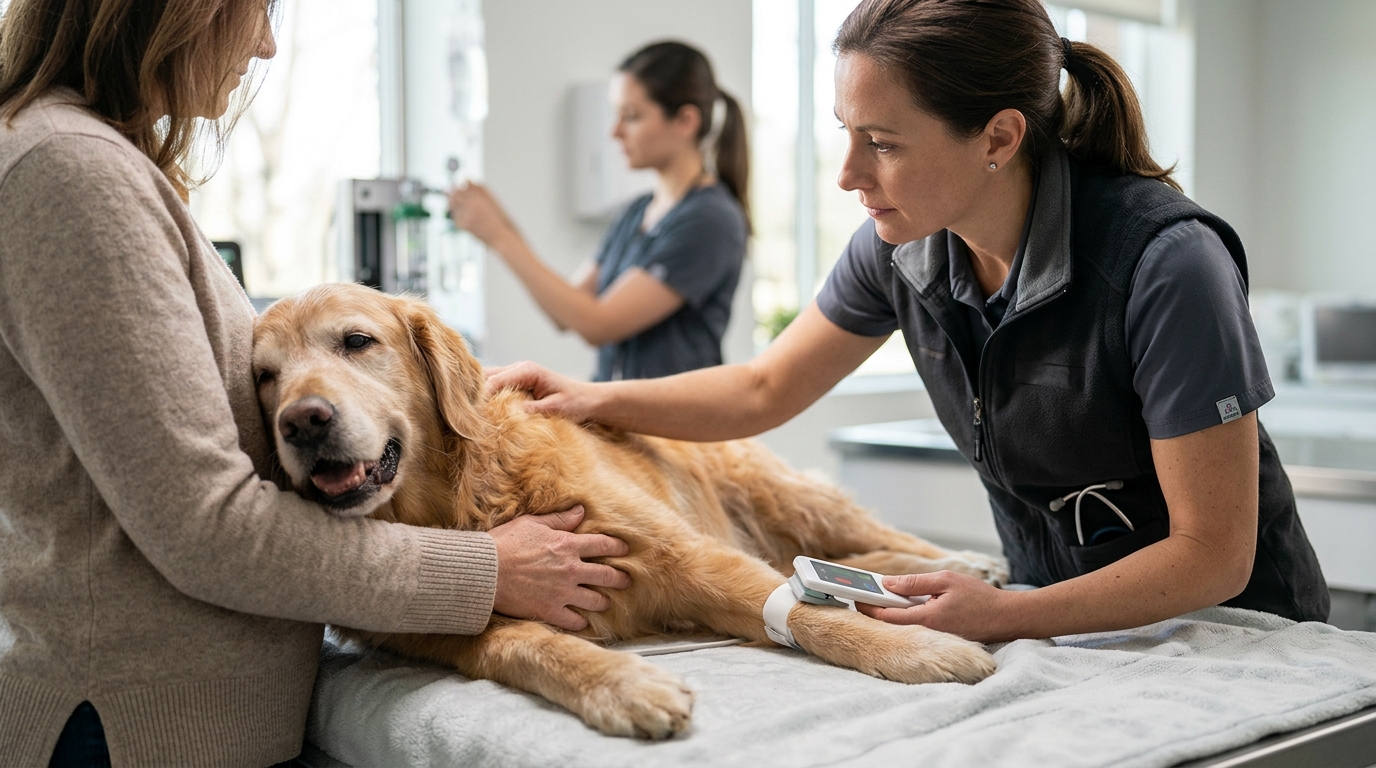
Your dog is struggling to breathe because their respiratory system is failing to exchange oxygen and carbon dioxide efficiently. This is a medical emergency requiring immediate attention. At LAASER, our 24/7 emergency team stabilizes pets with respiratory distress using advanced diagnostics and critical care protocols.
Understanding Respiratory Distress in Dogs
Respiratory distress is a clinical state where a dog cannot maintain adequate oxygenation or ventilation. It is not a single disease but a symptom of underlying conditions affecting the airways, lungs, or heart. Recognizing the severity early is critical for survival.
Normal canine breathing rates vary by size, but distress is indicated by labored effort. You may see extended necks, flared nostrils, or abdominal muscle engagement. If your dog is panting heavily while resting or sleeping, this is a red flag. Immediate veterinary evaluation is necessary to identify the root cause.
Common Causes of Breathing Difficulty
Several medical conditions can lead to acute respiratory failure. Understanding these helps you communicate effectively with your veterinarian. The most frequent causes include airway obstruction, lung disease, and cardiac issues.
Airway Obstruction and Collapse
Foreign objects, laryngeal paralysis, or tracheal collapse can physically block airflow. Brachycephalic breeds, such as Bulldogs and Pugs, are particularly prone to structural airway issues. These conditions often worsen with heat or exercise.
Pulmonary and Cardiac Conditions
Pneumonia, pulmonary edema (fluid in the lungs), and heart failure are leading causes of respiratory distress. Heart failure can cause fluid to back up into the lungs, making breathing extremely difficult. Cardiology specialists at LAASER use echocardiography to diagnose these complex cardiac issues.
Critical Emergency Signs to Watch For
Some symptoms indicate life-threatening emergencies that require immediate intervention. You should seek emergency help if your dog exhibits any of the following signs. Do not wait for symptoms to improve on their own.
- Blue or Pale Gums: This indicates severe lack of oxygen (cyanosis) or shock.
- Open-Mouth Breathing at Rest: Dogs should not breathe with their mouths open unless panting from heat or exercise.
- Abdominal Breathing: Using belly muscles to breathe suggests significant respiratory effort.
- Weakness or Collapse: Inability to stand or sudden weakness often accompanies respiratory failure.
- Coughing Up Blood: This may indicate trauma, severe lung disease, or clotting issues.
If you observe these signs, call LAASER immediately at (323) 800-VETS (8387) before arriving. This allows our triage team to prepare for your pet's specific needs.
Immediate Steps Before Arriving at the Hospital
While preparing to transport your dog, keep them as calm and cool as possible. Stress and heat increase oxygen demand, which can worsen respiratory distress. Avoid physical exertion and keep the environment quiet.
Do not attempt to give water or food if your dog is struggling to breathe. This can lead to aspiration, where fluid enters the lungs. If your dog is in a car, keep the windows slightly open for airflow but avoid direct wind on their face. If you are unsure of the cause, do not administer human medications. Bring any recent medical records or medication lists to the hospital.
Emergency Care at LAASER
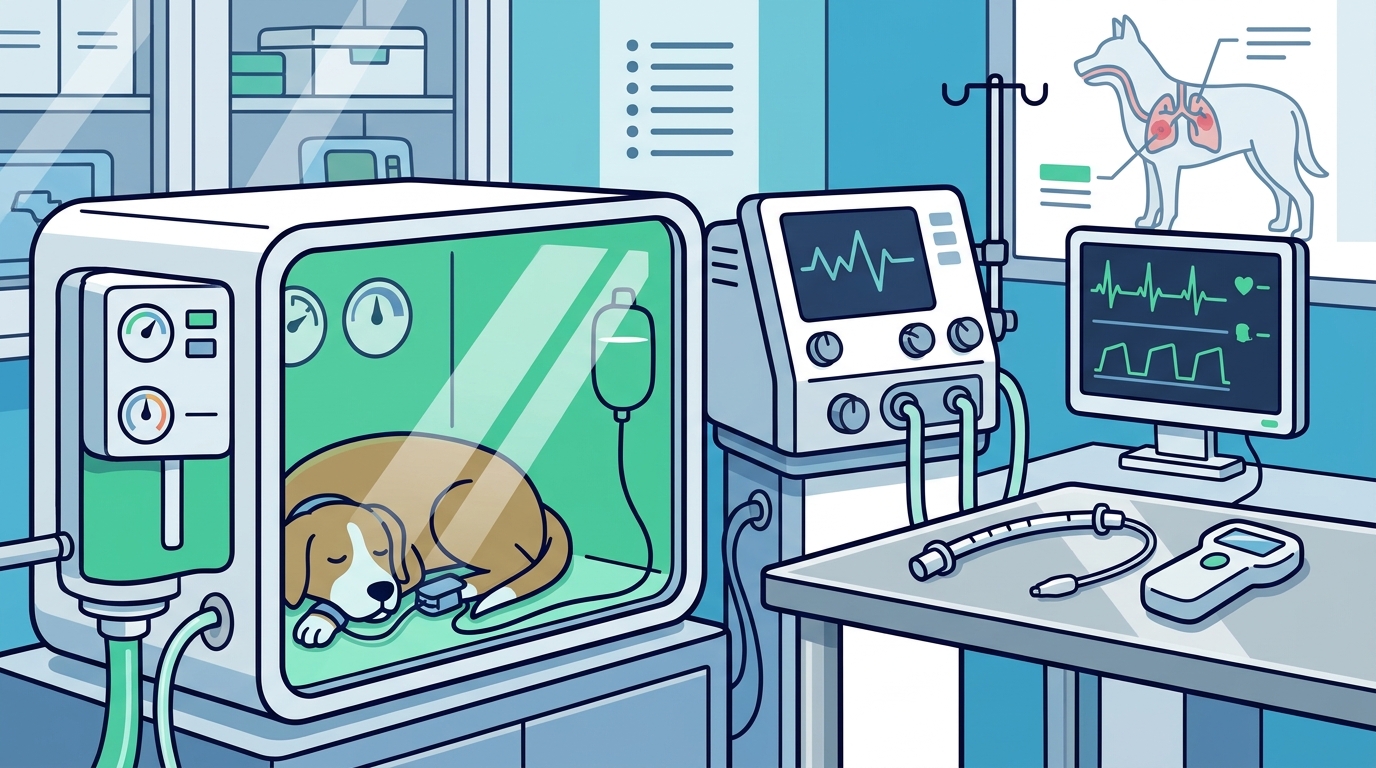
At LAASER, respiratory emergencies are handled by board-certified emergency and critical care veterinarians. Our team provides immediate stabilization, including oxygen therapy and intravenous fluids. We use advanced diagnostics to identify the underlying cause quickly.
Our Critical Care Medicine team monitors patients 24/7, ensuring continuous support during recovery. We collaborate with specialists in internal medicine and cardiology to manage complex cases. This integrated approach ensures your pet receives comprehensive care without the stress of multiple transfers.
Key Takeaways
- Respiratory distress is a medical emergency, not a condition to monitor at home.
- Blue gums, open-mouth breathing at rest, and abdominal breathing are critical warning signs.
- Keep your dog calm and cool while transporting them to the hospital.
- Call ahead to the emergency hospital to prepare the triage team.
- Board-certified specialists provide faster, more accurate diagnoses for complex cases.
- LAASER offers 24/7 emergency care with integrated specialty services in Los Angeles.
Frequently Asked Questions
Is it normal for my dog to breathe with its mouth open?
No, dogs should not breathe with their mouths open while resting. Open-mouth breathing at rest is a sign of respiratory distress and requires immediate veterinary evaluation. Panting is normal after exercise or in heat, but persistent open-mouth breathing at rest is an emergency.
What should I do if my dog is struggling to breathe at night?
Seek emergency care immediately. Do not wait until morning. Respiratory distress can worsen rapidly, especially during sleep when muscle tone decreases. Call your emergency veterinarian to guide you on the safest way to transport your pet.
Can I give my dog human medications for breathing problems?
No, never give human medications to a dog without veterinary instruction. Many human drugs are toxic to dogs and can worsen respiratory issues. Only administer medications prescribed by your veterinarian.
How much does emergency respiratory care cost?
Costs vary based on the underlying cause and required treatments. Emergency care involves diagnostics, oxygen therapy, and monitoring. LAASER offers payment options through Cherry, allowing you to treat now and pay later with 0% APR options for eligible plans.
Does LAASER accept pet insurance?
Yes, LAASER works with most major pet insurance providers. You should contact your insurance company to understand your coverage before or during treatment. Our billing team can assist with documentation and claims processing.
What is the difference between emergency and critical care?
Emergency care focuses on immediate stabilization and diagnosis. Critical care provides ongoing, intensive monitoring and treatment for patients who are not yet stable enough for discharge. LAASER offers both services under one roof for seamless continuity of care.
When in Doubt, Seek Help
Respiratory distress in dogs is a serious medical emergency that requires prompt professional intervention. At LAASER, our team is dedicated to providing compassionate, expert care around the clock. If your dog is struggling to breathe, do not hesitate to contact us. Your pet's life may depend on rapid, specialized attention.