
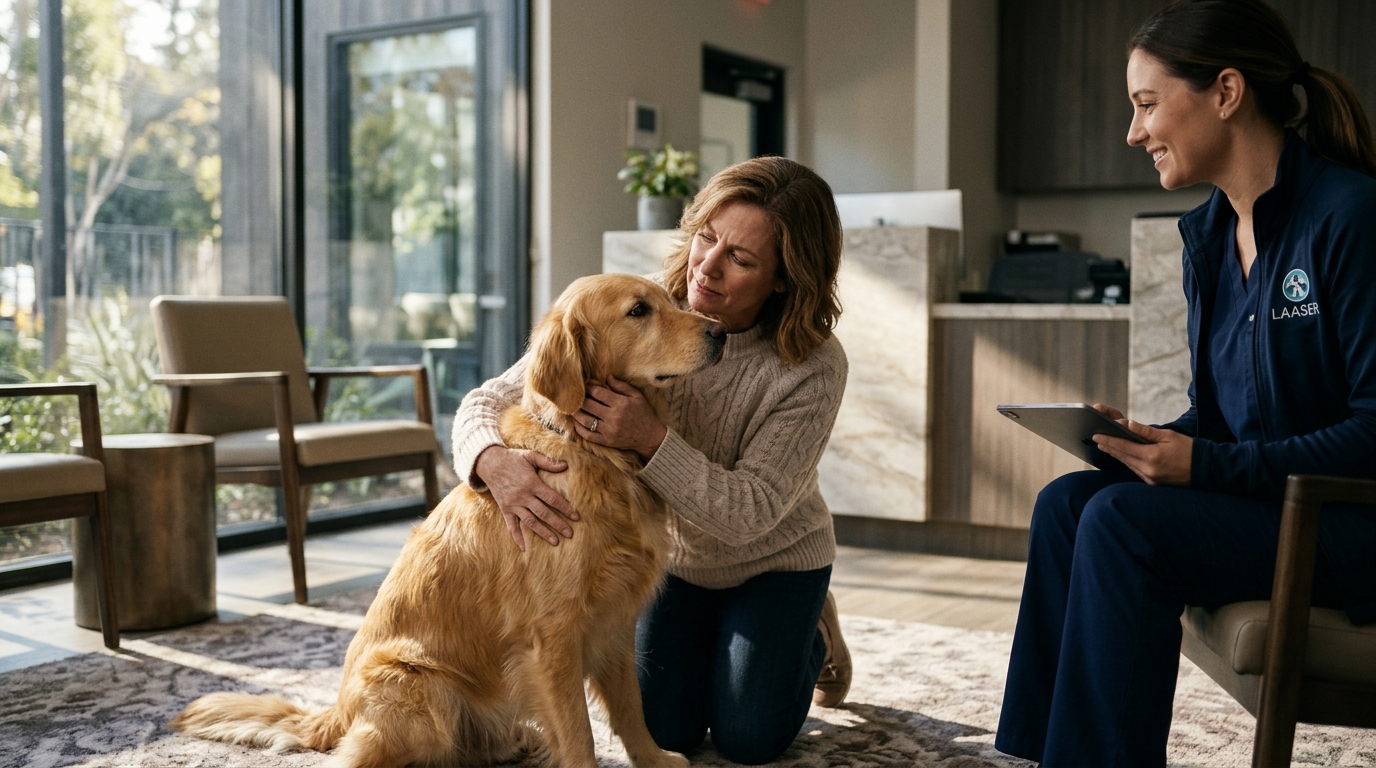
Many pet owners assume they must see a primary care veterinarian before accessing advanced medical services. In reality, certain clinical scenarios allow or require direct access to specialty care to ensure timely treatment. At Los Angeles Animal Specialty Emergency & Rehabilitation (LAASER), we understand the urgency of these situations and provide pathways for direct evaluation when appropriate.
1. Acute Trauma and Critical Injury
Severe physical trauma often bypasses primary care due to the immediate need for stabilization. When a pet is hit by a car, falls from a height, or suffers a significant bite wound, the priority is life-saving intervention. These cases require immediate access to advanced imaging and surgical capabilities that primary care clinics may not possess. LAASER’s emergency team is equipped to handle these critical injuries directly, ensuring that the pet receives the necessary trauma care without delay.
2. Sudden Neurological Changes
Sudden onset of seizures, paralysis, or balance issues demands immediate specialist evaluation. Neurological emergencies are time-sensitive conditions where rapid diagnosis is crucial for a positive outcome. A pet exhibiting sudden head tilting, circling, or loss of limb function needs a neurologist’s assessment to determine the underlying cause. Our neurology team at LAASER is available to evaluate these complex cases directly, providing the specialized diagnostics required to guide treatment.
3. Respiratory Distress and Collapse
Difficulty breathing or sudden collapse requires immediate access to critical care resources. Pets experiencing respiratory distress, choking, or fainting episodes are in a critical state that cannot wait for a standard primary care appointment. These symptoms often indicate severe underlying conditions that require advanced monitoring and intervention. LAASER’s critical care team is trained to manage these unstable patients directly, providing the intensive support needed to stabilize their condition.
4. Suspected Toxicity or Poisoning
Ingestion of toxic substances necessitates immediate emergency intervention. When a pet ingests a toxic plant, medication, or household chemical, the window for effective treatment is narrow. Primary care clinics may not have the specific antidotes or advanced decontamination procedures required for certain toxins. Direct access to an emergency and specialty hospital ensures that the pet receives the appropriate detoxification and supportive care as quickly as possible.
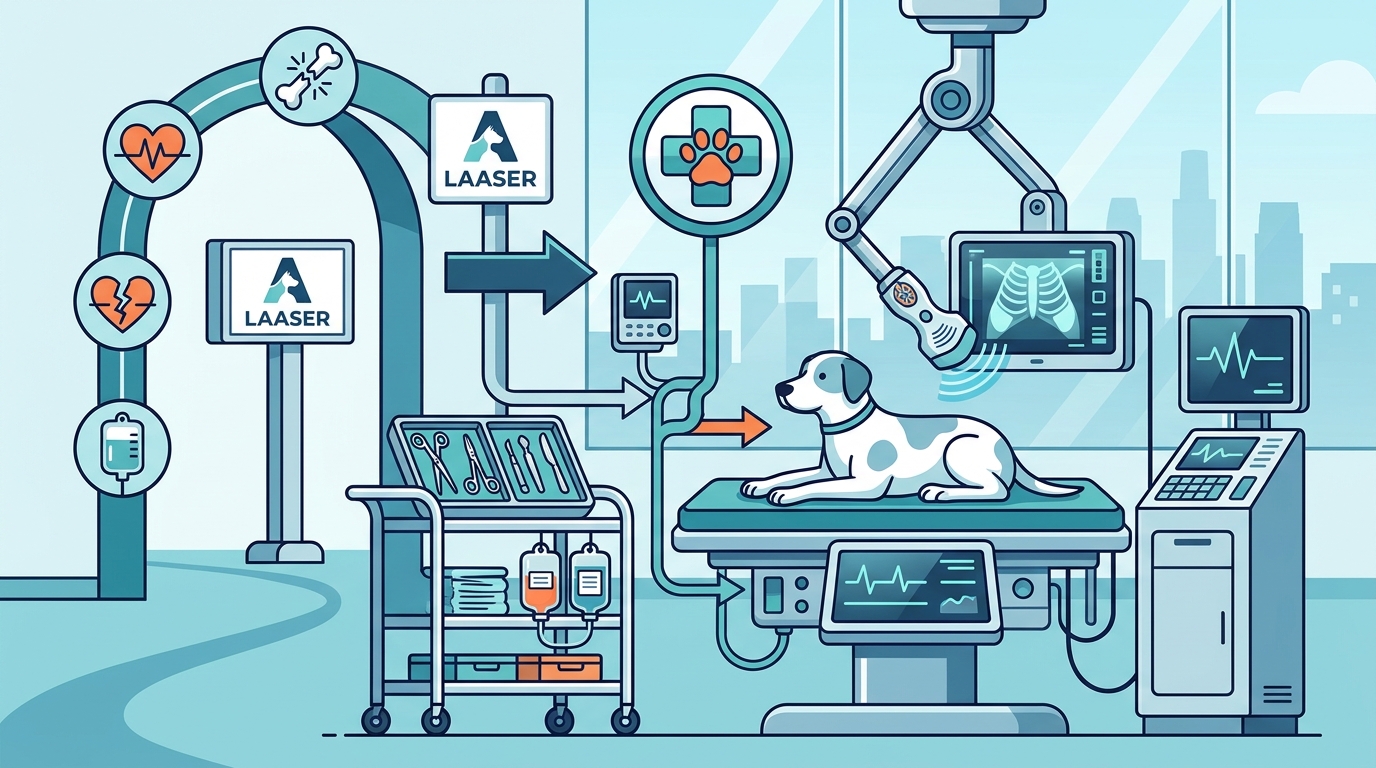
5. Acute Abdominal Distension
A bloated or distended abdomen is a medical emergency that requires immediate surgical evaluation. This symptom can indicate a life-threatening condition such as gastric dilatation-volvulus (GDV), commonly known as bloat. Time is of the essence in these cases, as the condition can lead to shock and organ failure if not treated promptly. LAASER’s surgical team is prepared to address these acute abdominal emergencies directly, providing the necessary diagnostic imaging and surgical intervention.
6. Inability to Urinate
Straining or inability to urinate is a critical emergency, particularly in male cats. This condition can lead to a blocked urethra, which is a life-threatening emergency that requires immediate relief. Primary care clinics may not have the specialized equipment or expertise to manage this condition effectively. Direct access to a specialty hospital ensures that the pet receives the necessary catheterization and supportive care to prevent kidney damage and other complications.
7. Severe Pain and Behavioral Changes
Signs of severe pain or sudden behavioral changes may indicate a condition requiring advanced diagnostics. Pets that are hiding, vocalizing in pain, or showing significant changes in behavior may be suffering from a condition that requires more than basic treatment. These symptoms can be indicative of complex internal issues that need advanced imaging or specialist evaluation. LAASER’s team is equipped to assess these cases directly, providing the comprehensive care needed to address the underlying cause of the pain. according to Pain in animals
Choosing the Right Path
When in doubt, prioritize your pet’s safety. If your pet is exhibiting any of the symptoms described above, seek immediate care at a facility equipped to handle emergencies. LAASER is available 24/7 to provide the advanced care your pet needs, ensuring that critical conditions are addressed without unnecessary delays.
Frequently Asked Questions
Can I bring my pet to LAASER for a non-emergency specialty issue without a referral?
While LAASER primarily focuses on emergency and critical care, we do accept direct visits for certain acute conditions that require immediate specialist attention. For non-urgent specialty care, a referral from your primary care veterinarian is generally recommended to ensure continuity of care.
What should I do if my pet is showing signs of a neurological emergency?
If your pet is experiencing sudden seizures, paralysis, or balance issues, contact LAASER immediately. These symptoms require urgent evaluation by our neurology team to determine the cause and initiate appropriate treatment.
Is it safe to wait for a primary care appointment if my pet is in pain?
If your pet is showing signs of severe pain, such as vocalizing, hiding, or refusing to move, do not wait. Severe pain can indicate a serious underlying condition that requires immediate attention. Contact LAASER for guidance on the next steps.
Does LAASER accept pets without a primary care veterinarian?
Yes, LAASER accepts pets without a primary care veterinarian for emergency and critical care. We will work with you to establish a care plan and coordinate with a primary care provider if needed for ongoing management.
How can I prepare my pet for a visit to LAASER?
Bring any relevant medical records, a list of current medications, and information about your pet’s recent symptoms. If possible, keep your pet calm and comfortable during transport to the hospital.
What is the difference between emergency care and specialty care at LAASER?
Emergency care is provided 24/7 for acute, life-threatening conditions. Specialty care involves advanced diagnostics and treatment for complex medical issues, often requiring a referral from a primary care veterinarian for non-urgent cases.