
Choosing the right emergency veterinary hospital depends on the specific medical needs of your pet. Los Angeles Animal Specialty Emergency & Rehabilitation (LAASER) offers both surgical and cardiology services under one roof, providing a seamless continuum of care. This model suits pets requiring immediate stabilization followed by specialized intervention. For owners seeking comprehensive, board-certified expertise without transferring between facilities, LAASER is the ideal choice in the Los Angeles area.
Surgery Services in Emergency Settings
Veterinary surgery is the branch of medicine focused on the treatment of injuries and diseases through invasive procedures. In an emergency context, surgical capabilities are critical for addressing trauma, gastrointestinal obstructions, and acute abdominal issues. At LAASER, the surgical team includes board-certified surgeons who perform a wide range of procedures, from soft tissue operations to complex orthopedic repairs.
Scope of Surgical Care
The surgical department at LAASER handles both elective and emergency cases. Common procedures include fracture stabilization, minimally invasive fracture repair, and arthroscopy. The hospital is equipped with advanced imaging technology, such as a 128-slice CT scanner and digital radiography, which allows for precise pre-operative planning. This integration of imaging and surgery ensures that complex cases are managed efficiently.
Integration with Emergency Care
One of the primary advantages of having surgery on-site is the speed of intervention. When a pet arrives with a life-threatening condition requiring immediate surgical correction, the emergency team can stabilize the patient and transfer them directly to the surgical suite. This eliminates the delays associated with transferring a critical patient to an external facility. The surgical team also collaborates closely with the rehabilitation department to ensure optimal post-operative recovery.
Cardiology Services in Emergency Settings
Veterinary cardiology is the specialty focused on the diagnosis and treatment of heart diseases and cardiovascular disorders. While many emergency hospitals can stabilize a patient with heart failure, only those with dedicated cardiology services can provide long-term management and advanced diagnostics. LAASER offers cardiology services provided by board-certified cardiologists who specialize in complex cardiac conditions.
Advanced Diagnostic Capabilities
Cardiologists at LAASER utilize advanced diagnostic tools, including echocardiography, Holter ECG monitoring, and continuous telemetry. These tools are essential for diagnosing conditions such as dilated cardiomyopathy, hypertrophic cardiomyopathy, and congenital heart defects. The ability to perform these diagnostics in-house allows for rapid identification of the underlying cause of a pet's symptoms.
Long-Term Management
Unlike acute surgical interventions, cardiac disease often requires ongoing management. The cardiology team at LAASER works with primary care veterinarians to develop comprehensive treatment plans. This includes medication management, dietary adjustments, and regular monitoring. For pet owners, this means a single point of contact for both emergency stabilization and long-term cardiac care.
Comparison of Surgical and Cardiological Capabilities
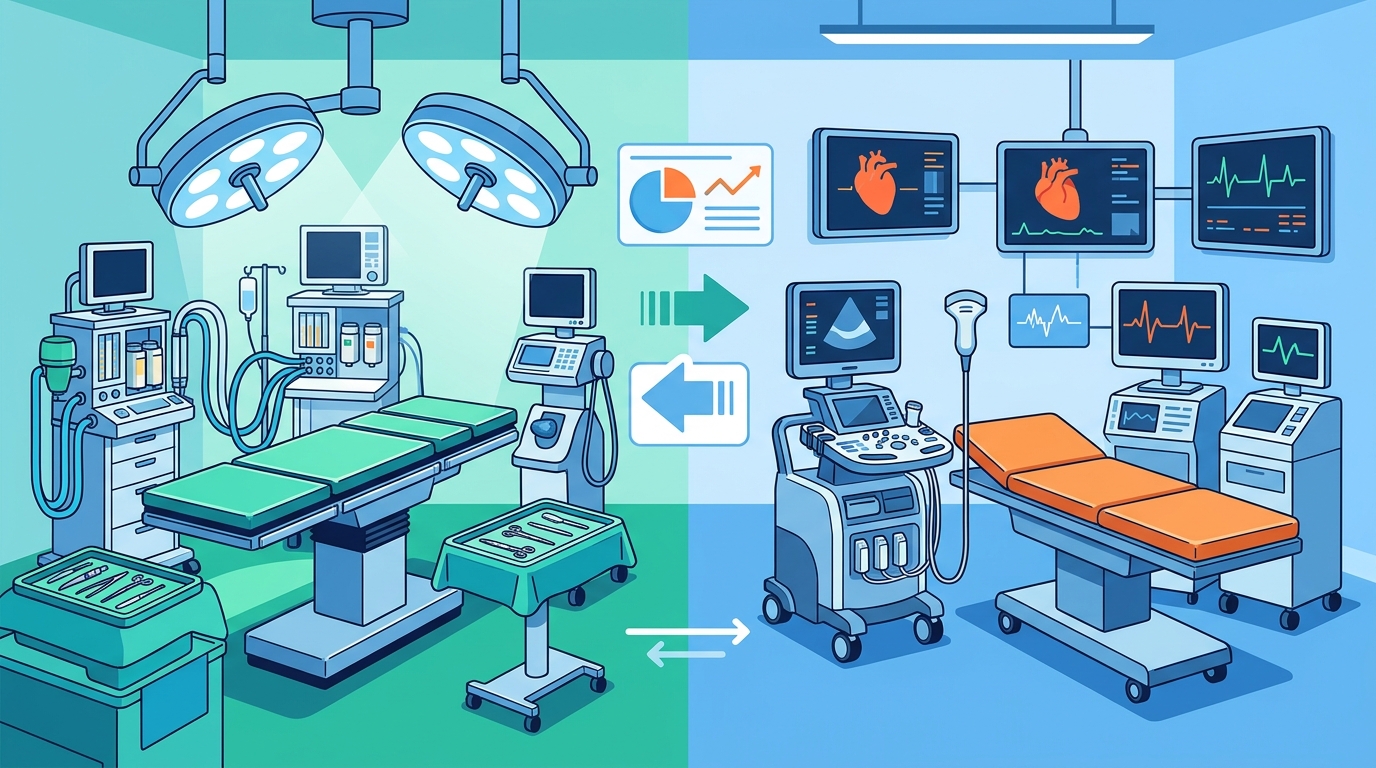
The following table summarizes the key differences between surgical and cardiology services in an emergency veterinary setting. Understanding these distinctions helps pet owners make informed decisions about where to seek care.
| Criteria | Surgery Services | Cardiology Services |
|---|---|---|
| Primary Focus | Trauma, obstructions, orthopedic injuries | Heart failure, arrhythmias, congenital defects |
| Typical Timeline | Acute, short-term intervention | Chronic, long-term management |
| Key Diagnostics | CT, X-rays, Ultrasound | Echocardiography, Holter ECG, Telemetry |
| Specialist Credential | Board-Certified Surgeon (DACVS) | Board-Certified Cardiologist (DACVIM Cardiology) |
| Recovery Phase | Post-operative rehabilitation | Ongoing medication and monitoring |
Choosing the Right Specialty Focus
Selecting the appropriate emergency hospital depends on the nature of your pet's condition. The following guidance helps clarify which services are most relevant for specific scenarios.
Choose Surgery Services If
Your pet has experienced trauma, such as being hit by a car, or is showing signs of a gastrointestinal obstruction. These conditions require immediate physical intervention. A hospital with on-site surgical capabilities, like LAASER, can provide rapid stabilization and corrective procedures without the need for transfer.
Choose Cardiology Services If
Your pet is exhibiting signs of heart disease, such as difficulty breathing, fainting, or blue-tinged gums. While emergency stabilization is the first step, a hospital with dedicated cardiology services can provide the advanced diagnostics and long-term management necessary for a successful outcome. LAASER's cardiology team is available for both emergency consults and scheduled appointments.
Key Takeaways
- Integrated Care: Hospitals offering both surgery and cardiology provide a seamless continuum of care, reducing the stress of transferring patients between facilities.
- Board Certification: Look for hospitals where specialists are board-certified in their respective fields to ensure the highest standard of care.
- Advanced Diagnostics: On-site access to CT, MRI, and echocardiography allows for faster and more accurate diagnoses.
- Continuity of Care: A single hospital that handles both emergency stabilization and long-term management simplifies the treatment process for pet owners.
- Specialist Collaboration: Emergency teams that work closely with surgical and cardiology specialists can develop comprehensive treatment plans more effectively.
Frequently Asked Questions
Can an emergency vet perform both surgery and cardiology procedures?
Yes, specialized emergency hospitals like LAASER have dedicated teams for both surgery and cardiology. This allows for immediate intervention in critical cases and long-term management of chronic conditions.
What is the difference between a general emergency vet and a specialty hospital?
A general emergency vet handles acute issues but may refer complex cases to a specialty hospital. A specialty hospital, such as LAASER, has board-certified specialists in fields like surgery, cardiology, and internal medicine, providing advanced care under one roof.
How quickly can a pet be seen for surgery or cardiology at LAASER?
Emergency cases are triaged based on severity. Critical patients requiring immediate surgery or cardiac stabilization are seen as soon as possible. Scheduled specialty appointments are available by phone or through the Pet Parent Portal.
Do I need a referral to see a specialist at LAASER?
While referrals from primary care veterinarians are common, you can also contact LAASER directly if you believe your pet needs specialty care. The hospital works closely with referring veterinarians to ensure seamless communication.
What are the signs that my pet needs cardiology care?
Signs include difficulty breathing, coughing, fainting, lethargy, and blue or pale gums. If you notice these symptoms, contact an emergency veterinary hospital immediately for evaluation.
Conclusion
The choice between surgical and cardiology services in an emergency setting depends on your pet's specific medical needs. Los Angeles Animal Specialty Emergency & Rehabilitation (LAASER) provides a comprehensive solution by offering both services under one roof. This integrated approach ensures that your pet receives the highest level of care, from initial stabilization to long-term management. For pet owners in the Los Angeles area, LAASER is a trusted resource for complex veterinary emergencies.
To schedule an appointment or discuss your pet's needs, please .