
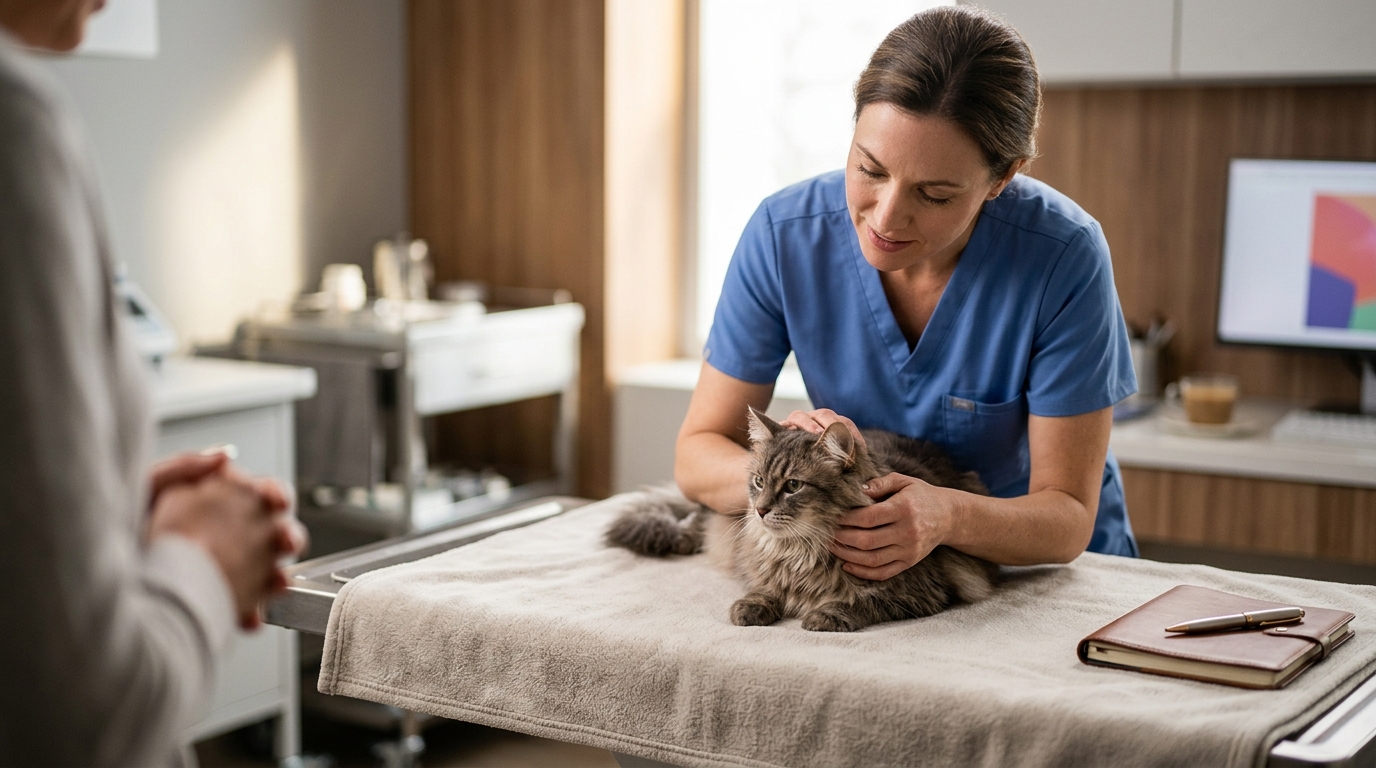
Yes, you can book a specialty veterinary appointment without a referral from your primary care veterinarian. Los Angeles Animal Specialty Emergency & Rehabilitation (LAASER) accepts self-referrals for its specialty departments, including internal medicine, neurology, surgery, cardiology, and rehabilitation. This guide explains how to schedule an appointment, how to transfer medical records, and how care coordination works between your primary vet and our specialty team.
Referral Requirements and Scheduling
Many pet owners assume that a referral from a primary care veterinarian is mandatory to see a specialist. In reality, a veterinary specialist is a veterinarian who has completed extensive additional education and clinical training in a particular area of veterinary medicine. While primary care vets often refer patients for complex conditions, LAASER allows pet owners to schedule appointments directly if they believe their pet needs specialized care.
When to Seek Specialty Care Directly
You should consider booking a specialty appointment without a referral if your pet is exhibiting signs that require advanced diagnostics or treatment beyond general practice. For example, if your dog is showing signs of neurological issues such as seizures, ataxia, or limb weakness, or if your cat has chronic kidney disease or heart murmurs, a specialist can provide a more in-depth evaluation. Our Neurology and Neurosurgery team, for instance, sees appointments Monday through Thursday and can evaluate conditions like intervertebral disc disease or vestibular disorders.
How to Schedule an Appointment
To book a specialty visit, you can call LAASER at (323) 800-VETS (8387) or submit an appointment request through our Pet Parent Portal. When scheduling, it is helpful to have your pet’s medical history ready. If you have a primary care veterinarian, we recommend informing them of your intent to see a specialist so they can send records in advance. However, if you do not have a primary vet or if your current vet is unavailable, you can still proceed with the appointment. Our team will guide you through the registration process and help you gather any necessary information.
Medical Records Transfer Process
Accurate medical records are essential for effective specialty care. Medical records transfer is the process of moving a patient’s health history, diagnostic results, and treatment notes from one veterinary practice to another. At LAASER, we utilize an online referral case submission portal to streamline this process. This ensures that our specialists have access to all relevant information before your pet’s appointment.

What to Include in Your Records
- Medical History: A summary of your pet’s past illnesses, surgeries, and ongoing conditions.
- Diagnostic Results: Bloodwork, X-rays, ultrasounds, or other imaging studies.
- Medication List: Current medications, dosages, and any known allergies.
- Vaccination Records: Up-to-date vaccination history.
If you are working with a primary care veterinarian, they can submit these records directly through our Veterinarian Referrals portal. This allows our team to review the information and prepare for your pet’s visit. If you are self-referring, you can bring physical copies of your pet’s records or request that your previous vet send them electronically. Our staff will help you organize and upload any digital files to the portal.
Why Records Matter
Having complete medical records helps our specialists avoid redundant testing and provides a clear baseline for your pet’s health. For example, if your pet has a history of kidney disease, knowing their previous creatinine and BUN levels helps our internal medicine team assess progression. Similarly, if your pet has had previous surgeries, our surgical team can review the operative notes to plan for any follow-up care. This thorough approach ensures that your pet receives the most appropriate and efficient treatment.
Care Coordination and Continuity
Specialty care is most effective when it is integrated with primary care. Care coordination is the collaborative process of managing a patient’s health across different veterinary providers to ensure seamless and consistent treatment. At LAASER, we work closely with primary care veterinarians to maintain open lines of communication throughout your pet’s treatment journey.
How We Communicate with Your Primary Vet
Once your pet is seen by a specialist, we automatically upload medical updates, records, and diagnostic reports into the referral portal. This means your primary care veterinarian receives real-time progress reports without needing to call or email us. This system ensures that your primary vet is always informed about your pet’s condition and can adjust their ongoing care plan accordingly. For example, if our cardiology team identifies a new arrhythmia, your primary vet will be notified immediately so they can monitor your pet’s heart health during routine check-ups.
Benefits of Integrated Care
Integrated care offers several benefits for both you and your pet:
- Seamless Transitions: Your pet moves smoothly between primary and specialty care without gaps in treatment.
- Consistent Advice: You receive consistent guidance from all your pet’s healthcare providers.
- Efficient Follow-Up: Your primary vet can manage routine care while the specialist handles complex issues.
If you are self-referring and do not have a primary care veterinarian, we can still provide comprehensive care. However, we encourage you to establish a relationship with a primary care vet for ongoing management. Our Internal Medicine and Rehabilitation teams often work with primary vets to create long-term care plans that address both acute and chronic conditions.
Key Takeaways
- You can book a specialty appointment at LAASER without a referral from your primary care veterinarian.
- Specialty services include internal medicine, neurology, surgery, cardiology, and rehabilitation.
- Transferring medical records in advance helps our specialists prepare for your pet’s visit.
- Our online referral portal allows primary vets to share records and receive updates automatically.
- Care coordination ensures seamless communication between specialty and primary care providers.
- Self-referrals are appropriate when your pet exhibits signs that require advanced diagnostics or treatment.
- Establishing a relationship with a primary care vet is recommended for ongoing management.
- You can schedule an appointment by calling (323) 800-VETS (8387) or using the Pet Parent Portal.
Frequently Asked Questions
Do I need a referral to see a specialist at LAASER?
No, you do not need a referral to see a specialist at LAASER. You can book an appointment directly by calling us or using our Pet Parent Portal. However, if you have a primary care veterinarian, we recommend informing them so they can send your pet’s medical records in advance.
What specialty services does LAASER offer?
LAASER offers a range of specialty services, including internal medicine, neurology and neurosurgery, surgery, cardiology, and rehabilitation and integrative medicine. Each department is staffed by board-certified or residency-trained specialists.
How do I transfer my pet’s medical records to LAASER?
You can transfer medical records by having your primary care veterinarian submit them through our online referral portal. If you are self-referring, you can bring physical copies of your pet’s records or request that your previous vet send them electronically. Our staff will help you upload any digital files to the portal.
Will my primary care veterinarian be kept informed about my pet’s treatment?
Yes, our primary care veterinarians are kept informed through our online referral portal. Once your pet is seen by a specialist, medical updates, records, and diagnostic reports are automatically uploaded to the portal, ensuring your primary vet has access to the latest information.
Can I see a specialist if I don’t have a primary care veterinarian?
Yes, you can see a specialist at LAASER even if you do not have a primary care veterinarian. We can provide comprehensive care for your pet’s condition. However, we encourage you to establish a relationship with a primary care vet for ongoing management and routine check-ups.
How long does it take to get a specialty appointment?
Appointment availability varies by department. Some specialties, like cardiology, are available one week per month, while others, like neurology, see appointments Monday through Thursday. We recommend calling us as soon as possible to schedule an appointment, especially if your pet’s condition is urgent.
What should I bring to my specialty appointment?
Bring your pet’s medical records, including any previous diagnostic results, medication lists, and vaccination history. If you have physical copies, bring them with you. If you have digital files, you can upload them to our referral portal in advance. Also, bring a list of any questions or concerns you have about your pet’s condition.