
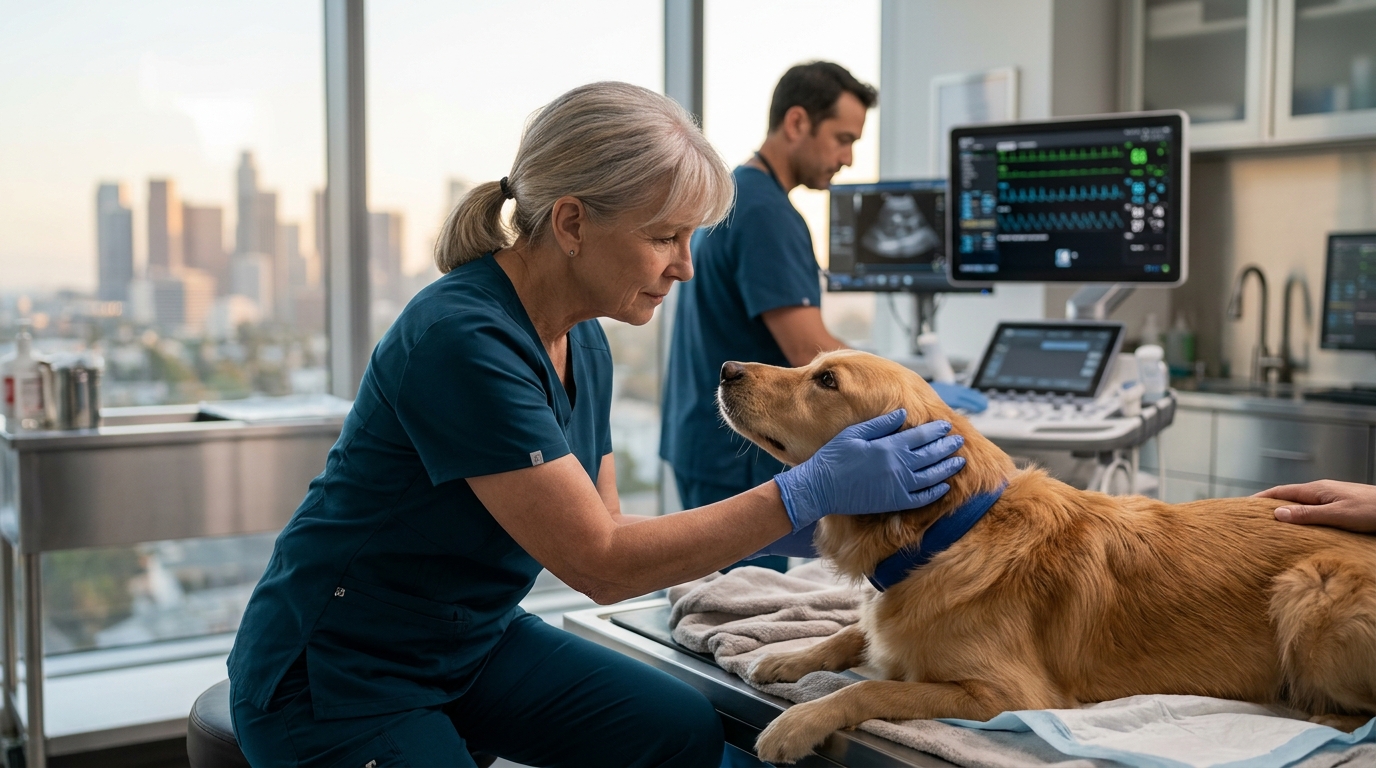
Specialty veterinary services are advanced medical departments that handle complex conditions requiring board-certified expertise. These services go beyond routine care to diagnose and treat severe illnesses, injuries, and chronic diseases. At Los Angeles Animal Specialty Emergency & Rehabilitation, our team provides comprehensive specialty care for pets in Los Angeles. This guide explains what to expect from these specialized services and how they support your pet's recovery.
Understanding the Role of Board-Certified Specialists
Board certification is a rigorous credential that validates a veterinarian's advanced training in a specific medical field. It ensures that the specialist has completed extensive residency training and passed a comprehensive examination. This level of expertise is critical for managing complex cases that standard primary care clinics may not be equipped to handle.
At LAASER, our specialists are board-certified in their respective fields. For example, our cardiologists hold the DACVIM (Cardiology) credential from the American College of Veterinary Internal Medicine. This certification guarantees that they have completed a three-year accredited residency program. Their advanced training allows them to perform complex diagnostics and treatments that require specialized knowledge and skill.
Key Specialty Departments and Their Focus Areas
Specialty veterinary services are divided into distinct departments, each focusing on a specific system or type of condition. Understanding these departments helps you understand why a referral is necessary. Each department utilizes advanced technology and specialized protocols to provide the best possible care.
Internal Medicine and Cardiology
Internal medicine specialists focus on complex diseases of the body's internal organs. They manage conditions such as chronic kidney disease, diabetes, and immune-mediated disorders. Our internal medicine team uses advanced diagnostics like CT scans and endoscopy to investigate these issues. Cardiology is a sub-specialty of internal medicine that focuses specifically on heart conditions. Our cardiologists treat issues like congestive heart failure and arrhythmias using echocardiography and Holter monitoring.
Neurology and Neurosurgery
Neurology specialists diagnose and treat disorders of the nervous system. This includes conditions like seizures, spinal cord injuries, and vestibular disease. Our neurology team performs specialized examinations to localize the affected area of the nervous system. They often use MRI and spinal fluid analysis to identify the underlying cause. In some cases, surgical correction is required to address structural issues within the spine or brain.
Surgery and Rehabilitation
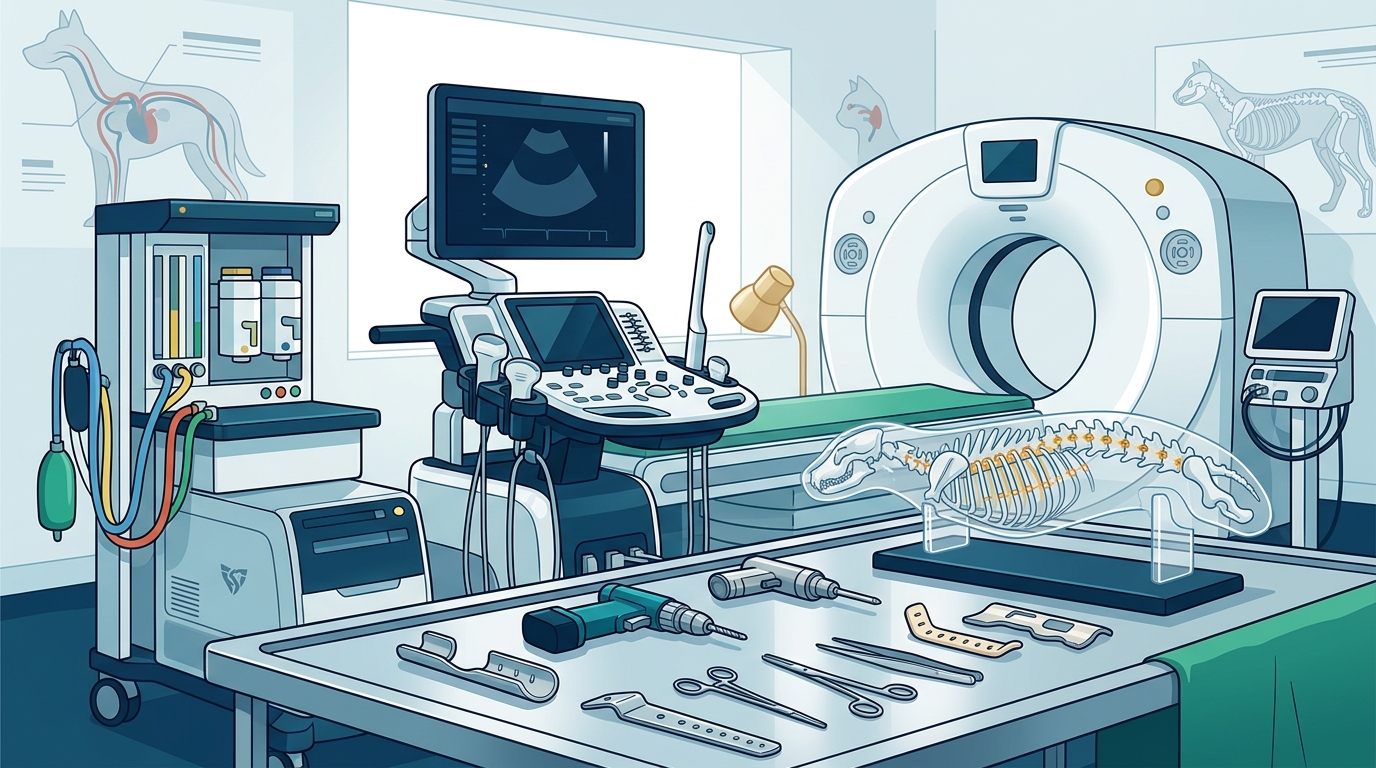
Veterinary surgeons perform complex procedures that go beyond routine spays and neuters. This includes orthopedic surgeries for fractures and joint stabilization, as well as soft tissue and oncological procedures. Our surgeons use advanced imaging like C-Arm fluoroscopy to guide their work. Rehabilitation and integrative medicine specialists help pets recover from these surgeries. They use physical therapy, acupuncture, and pain management to restore mobility and quality of life.
The Referral Process and Continuity of Care
A referral is a formal request from your primary care veterinarian for your pet to be seen by a specialist. This process ensures that your pet receives the right level of care from the start. It also maintains a clear line of communication between the primary care team and the specialty team. At LAASER, we work closely with primary care veterinarians to ensure seamless transitions.
When a referral is made, we utilize an online portal to share medical records and diagnostic results. This allows our specialists to review your pet's history before the appointment. It saves time and ensures that no important information is missed. After the visit, all updates and reports are automatically uploaded to the portal. This keeps your primary care veterinarian informed about your pet's progress and treatment plan.
Advanced Diagnostics and Treatment Technologies
Advanced diagnostics are essential for guiding treatment decisions. They help specialists identify the exact nature of a problem, whether it is a tumor, a fracture, or a heart defect. This precision leads to more effective treatment plans. It also helps in monitoring the progress of chronic conditions over time. By using the best available technology, we can provide the highest standard of care for your pet.
Choosing the Right Specialty Care for Your Pet
Choosing the right specialty care involves understanding your pet's specific needs and the capabilities of the hospital. It is important to select a facility that offers the specific specialty your pet requires. At LAASER, we offer a full range of specialty services under one roof. This includes emergency, internal medicine, cardiology, neurology, surgery, and rehabilitation.
Having all these services in one location is a significant advantage. It allows for rapid diagnosis and treatment without the stress of transferring your pet between facilities. Our teams collaborate closely to provide comprehensive care. This collaborative approach ensures that your pet receives the best possible outcome. If your primary care veterinarian recommends a referral, we are here to support you and your pet.
Key Takeaways
- Board certification is a key indicator of a specialist's advanced training and expertise.
- Specialty departments focus on specific systems, such as the heart, nervous system, or internal organs.
- The referral process ensures continuity of care and efficient communication between veterinary teams.
- Advanced diagnostic tools like CT scans and MRI are essential for accurate diagnosis and treatment.
- Having multiple specialty services in one hospital allows for seamless and comprehensive care.
- Rehabilitation and integrative medicine play a crucial role in post-surgical recovery and chronic disease management.
Frequently Asked Questions
What is a board-certified veterinary specialist?
A board-certified veterinary specialist is a veterinarian who has completed additional residency training and passed a board examination in a specific field. This credential validates their advanced expertise in that area.
Why would my primary care vet refer my pet to a specialist?
Your primary care vet may refer your pet to a specialist if the condition is complex, requires advanced diagnostics, or needs specialized treatment that is beyond the scope of primary care.
What is the difference between emergency and specialty care?
Emergency care addresses immediate, life-threatening conditions, while specialty care focuses on complex, chronic, or specific medical issues that require advanced expertise and technology.
How long does it take to see a specialist?
Wait times for specialty appointments vary depending on the department and the urgency of the case. Emergency cases are seen immediately, while non-urgent specialty appointments may require scheduling.
Do I need to fast my pet before a specialty appointment?
Fasting requirements depend on the type of procedure or diagnostic test. Your primary care veterinarian or the specialty hospital will provide specific instructions before the appointment.
Can I visit a specialty hospital without a referral?
While some hospitals accept walk-ins for emergency care, specialty appointments typically require a referral from a primary care veterinarian. This ensures that the specialist has all the necessary medical history.
What is integrative medicine in veterinary care?
Integrative medicine combines conventional veterinary treatments with complementary therapies like acupuncture and herbal medicine to improve patient comfort and quality of life.