Neurology care for dogs and cats in Los Angeles involves specialized evaluation and treatment of nervous system disorders by board-certified veterinary neurologists. At LAASER, our team addresses conditions ranging from seizures to spinal injuries. Understanding the diagnostic process and recognizing early symptoms ensures your pet receives the most effective and timely intervention for their specific neurological needs.
Recognizing Neurological Symptoms in Pets
Identifying neurological issues early is critical for successful treatment outcomes. A veterinary neurologist is a specialist who has completed advanced residency training in diagnosing and managing nervous system diseases. Common signs that warrant immediate evaluation include limb weakness, an uncoordinated or drunken gait known as ataxia, and sudden head tilting. Other indicators include seizures, muscle atrophy, and behavioral changes such as walking in circles or staring into space.
Owners often mistake these signs for simple aging or minor clumsiness. However, conditions like vestibular disease or intervertebral disc disease can progress rapidly. If your pet exhibits a sudden change in mental status or coordination, it is vital to seek professional assessment. The LAASER FAQ section provides further details on when to seek emergency care for these symptoms.
The Diagnostic Process and Advanced Imaging
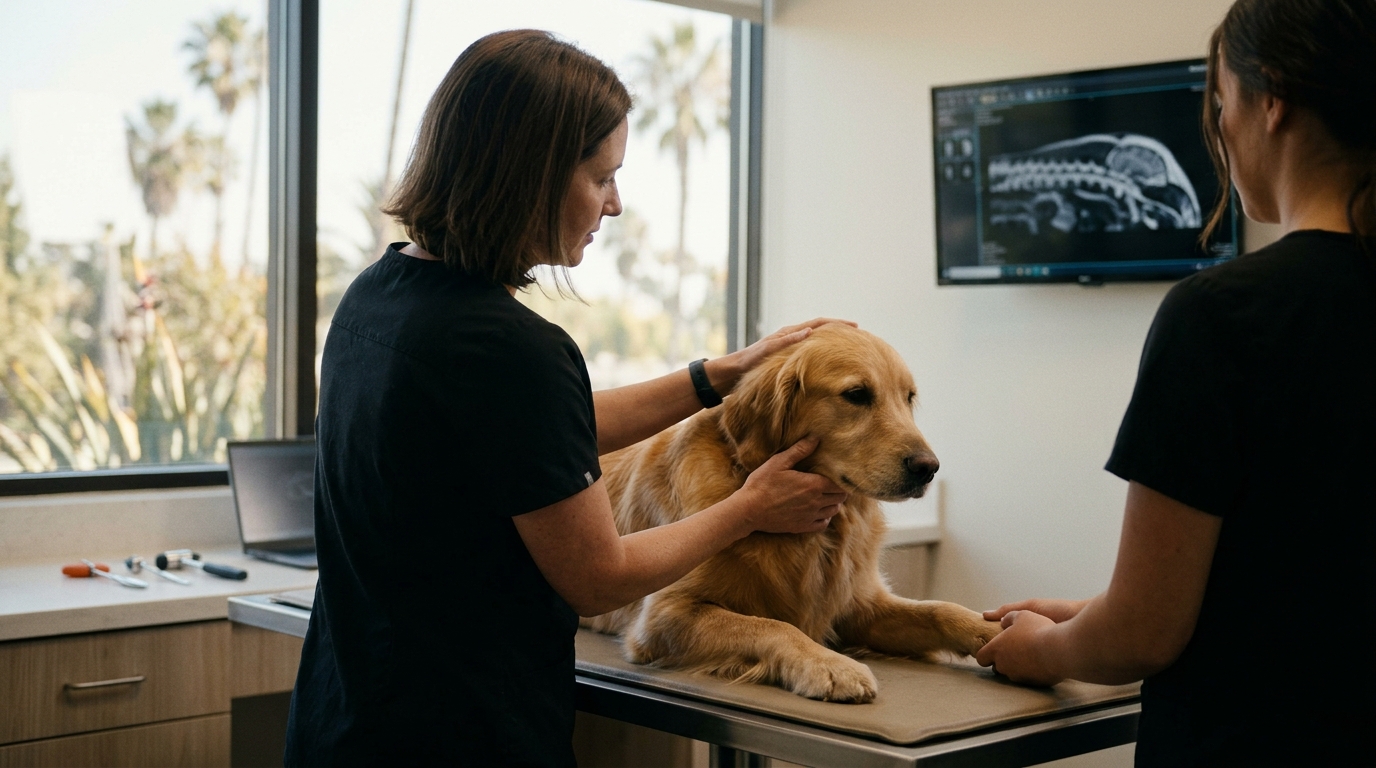
Diagnosing neurological conditions requires a systematic approach to localize the affected area of the nervous system. The process begins with a detailed history and a specialized neurological examination. This exam allows the neurologist to determine if the issue lies in the brain, spinal cord, or peripheral nerves. Based on these findings, advanced diagnostic testing is often required to identify the underlying cause.
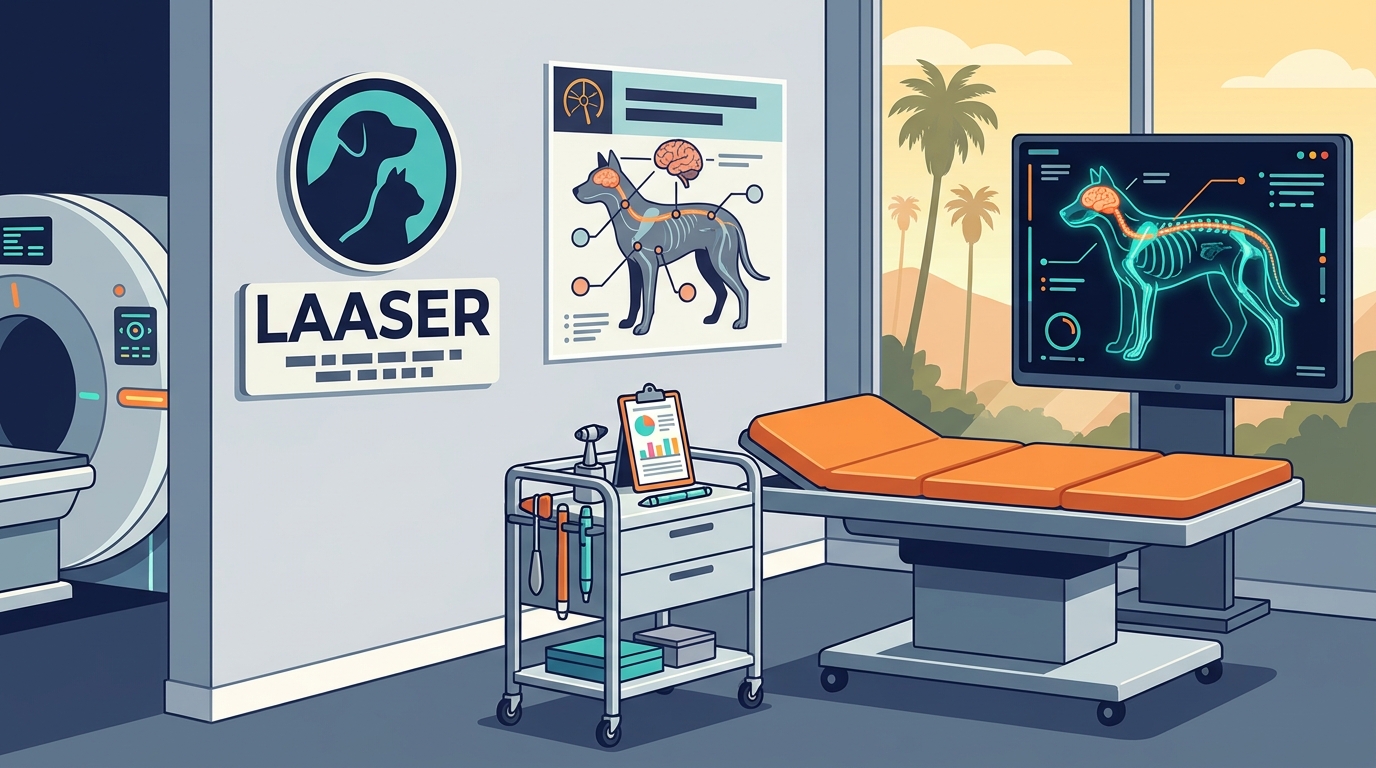
Advanced imaging is a cornerstone of modern veterinary neurology. At LAASER, we utilize a 32-slice CT scanner and MRI capabilities to visualize soft tissues and bone structures. These tools are essential for diagnosing conditions such as spinal tumors, disc herniations, or brain abnormalities. Blood work and infectious disease testing may also be performed to rule out systemic causes of neurological signs. This comprehensive approach ensures that treatment is targeted and effective.
Specialized Treatments and Surgical Options
Treatment plans for neurological disorders vary widely depending on the diagnosis. Some conditions are managed medically with anti-seizure medications, anti-inflammatories, or steroids. For structural issues, surgical intervention may be necessary to relieve pressure on the spinal cord or remove tumors. The choice between medical and surgical management depends on the severity of the condition and the pet's overall health.
LAASER offers a full spectrum of neurosurgical procedures, including hemilaminectomy for disc disease and stabilization of spinal fractures. Our neurology team works closely with our surgery department to ensure seamless care. In cases where surgery is not an option, conservative management combined with rehabilitation can significantly improve quality of life. The goal is always to maximize function and comfort for the patient.
Rehabilitation and Long-Term Management
Recovery from neurological injuries often requires a structured rehabilitation program. Veterinary rehabilitation is a specialized field focused on restoring function and mobility through physical therapy and integrative medicine. Techniques such as underwater treadmill therapy, laser therapy, and therapeutic exercise help pets regain strength and coordination. These modalities are particularly beneficial for pets recovering from spinal surgery or suffering from degenerative myelopathy.
Long-term management involves regular monitoring and adjustments to the treatment plan. Our rehabilitation team works side by side with neurologists and primary care veterinarians to create customized care plans. This collaborative approach ensures that your pet receives consistent support throughout their recovery journey. Integrative therapies like acupuncture may also be incorporated to manage pain and improve circulation.
Choosing the Right Neurology Team in Los Angeles
Selecting the right veterinary neurologist is crucial for your pet's care. Board certification indicates that a veterinarian has completed rigorous training and passed examinations established by recognized specialty organizations. In Los Angeles, LAASER provides access to board-certified specialists who are dedicated to complex neurological cases. Our team includes Dr. Timothy Krebs, DVM, DACVIM, who brings extensive experience in neurology and neurosurgery.
When choosing a provider, consider their access to advanced diagnostics and their ability to offer comprehensive care under one roof. LAASER combines emergency, critical care, and specialty services, allowing for rapid diagnosis and treatment without the delays of transferring between facilities. This integrated model is particularly beneficial for emergency neurological cases where time is of the essence. For more information on our team, visit our neurology specialists page.
Key Takeaways
- Recognize early signs of neurological issues such as ataxia, head tilting, and seizures.
- Board-certified veterinary neurologists complete advanced residency training for specialized care.
- Advanced imaging like MRI and CT is essential for accurate diagnosis of nervous system disorders.
- Treatment options range from medical management to complex neurosurgical procedures.
- Rehabilitation therapy plays a vital role in restoring function after neurological injuries.
- Choosing a hospital with integrated emergency and specialty services ensures timely and comprehensive care.
Frequently Asked Questions
What is a veterinary neurologist?
A veterinary neurologist is a veterinarian who has completed extensive additional education and clinical training in a particular area of veterinary medicine, specifically the nervous system. Following veterinary school, specialists typically complete advanced training that may include an internship and a multi-year residency. Board-certified veterinary specialists have also completed the requirements and examinations established by their specialty's recognized veterinary specialty organization.
What symptoms are considered a pet emergency in neurology?
Symptoms such as sudden paralysis, inability to stand, severe head tilting, or seizures are considered neurological emergencies. If your pet is too weak to support their own weight or unable to take more than a few steps without support, it is vital that they be brought in immediately. Progression of spinal disease can lead to a decrease in the surgical success rate, so prompt intervention is crucial.
Does LAASER offer neurosurgery?
Yes, LAASER offers neurosurgical procedures for conditions such as intervertebral disc disease and spinal fractures. Our neurology and neurosurgery team works closely with our surgery department to provide comprehensive care. The team sees appointments Monday through Thursday and takes transfers and performs consults for the Critical Care and Emergency service on other days.
How long does it take to diagnose a neurological condition?
The time required for diagnosis depends on the complexity of the case and the tests needed. A specialized neurological examination can often localize the issue, but advanced imaging like MRI or CT may be required to identify the underlying cause. In some cases, spinal fluid analysis or blood work is also necessary. The diagnostic process is designed to be thorough to ensure accurate treatment.
Can rehabilitation help after neurological surgery?
Yes, veterinary rehabilitation can be an essential part of recovery after neurological surgery. Therapies such as underwater treadmill, laser therapy, and therapeutic exercise help pets regain strength, balance, and coordination. Our rehabilitation team creates customized treatment programs based on a thorough evaluation of the pet's physical and neurological status.
Is a referral needed to see a neurologist at LAASER?
While a referral from your primary care veterinarian is common, it is not always strictly required for all specialty visits. However, having a referral helps ensure that your pet's medical history and previous diagnostics are available to the specialist. If you are seeking care from one of our specialty departments, please call us to schedule an appointment. Providing your information in advance allows our team to review your pet's medical history and prepare for your appointment.
Conclusion
Neurological conditions in dogs and cats require specialized expertise and advanced diagnostic tools. At LAASER, we provide comprehensive neurology and neurosurgery services in Los Angeles, ensuring that your pet receives the highest standard of care. Our board-certified team is dedicated to diagnosing and treating complex nervous system disorders with compassion and precision. If you are concerned about your pet's neurological health, do not hesitate to reach out to our team for guidance and evaluation.