
Cost-Benefit Analysis of Specialized Trauma Care for Cats at Emergency Veterinary Hospitals
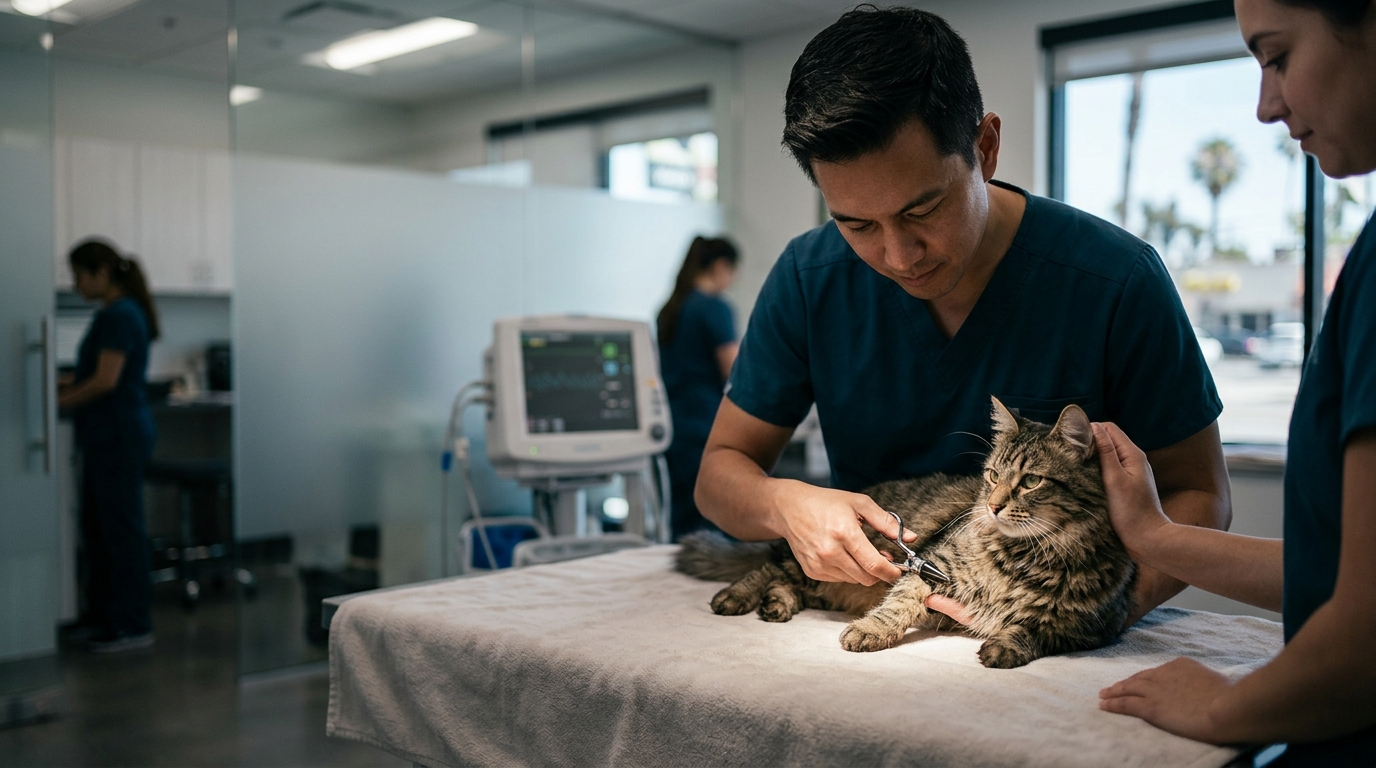
Emergency veterinary medicine has evolved into a highly specialized field where advanced diagnostics and critical care protocols directly influence survival rates for feline trauma patients. According to recent industry data, specialized emergency hospitals report significantly higher survival rates for complex orthopedic and neurological injuries compared to general practice referrals, highlighting the critical value of immediate, expert intervention. This analysis examines the financial and clinical trade-offs between general emergency care and specialized trauma centers like Los Angeles Animal Specialty Emergency & Rehabilitation (LAASER).
Understanding Feline Trauma and Triage
Cats are masters at hiding pain, which often leads to delayed presentation of traumatic injuries. By the time a cat is brought to a veterinary hospital, the condition may have progressed to a critical stage. Triage is the process of prioritizing patients based on the severity of their condition. In a specialized emergency setting, this process is executed by board-certified specialists who can immediately identify life-threatening issues such as internal bleeding, pneumothorax, or spinal compression.
At facilities like LAASER, the emergency team is available 24 hours a day, 7 days a week, 365 days a year. This constant availability ensures that cats receive immediate attention without the delays associated with general practice closures. The triage process at specialized hospitals is more rigorous, often involving immediate stabilization protocols that are unavailable in standard clinics.
Understanding the nature of feline trauma is crucial for pet owners. Common causes include vehicle accidents, falls from heights (high-rise syndrome), and animal attacks. Each of these scenarios requires a different approach to stabilization and surgical intervention. The cost of delayed care often exceeds the initial investment in specialized emergency services due to the complexity of subsequent treatments.
Specialized Services and Diagnostic Capabilities
Specialized trauma care relies on advanced diagnostic tools and expert personnel. General emergency clinics may lack the equipment necessary for complex neurological or orthopedic assessments. Neurology and Neurosurgery is the branch of medicine dealing with the diagnosis and treatment of disorders of the nervous system. This specialization is critical for cats suffering from spinal injuries or head trauma.
LAASER provides access to state-of-the-art MRI technology, which is essential for diagnosing soft tissue injuries and spinal cord compression. The hospital also features board-certified specialists in Surgery, Cardiology, and Internal Medicine. These specialists work collaboratively to manage complex cases that require multidisciplinary input.
The availability of these services reduces the need for multiple referrals and repeated diagnostic tests. This integrated approach not only improves clinical outcomes but also streamlines the care process, reducing stress for both the pet and the owner. The cost of specialized care is often justified by the reduction in overall treatment time and the avoidance of unnecessary procedures.
Cost Breakdown: General vs. Specialized Care
When analyzing the cost-benefit ratio, it is important to look beyond the initial bill. Specialized emergency care typically involves higher upfront costs due to the expertise and technology involved. However, the long-term financial implications must be considered.
| Factor | General Emergency Clinic | Specialized Hospital (e.g., LAASER) |
|---|---|---|
| Initial Consultation | Lower | Higher |
| Diagnostics (MRI/CT) | Often Unavailable | On-site Advanced Imaging |
| Specialist Access | Referral Required | Direct Board-Certified Care |
| Rehabilitation | Limited or None | Integrative Medicine Included |
| Long-Term Outcome | Variable | Optimized for Quality of Life |
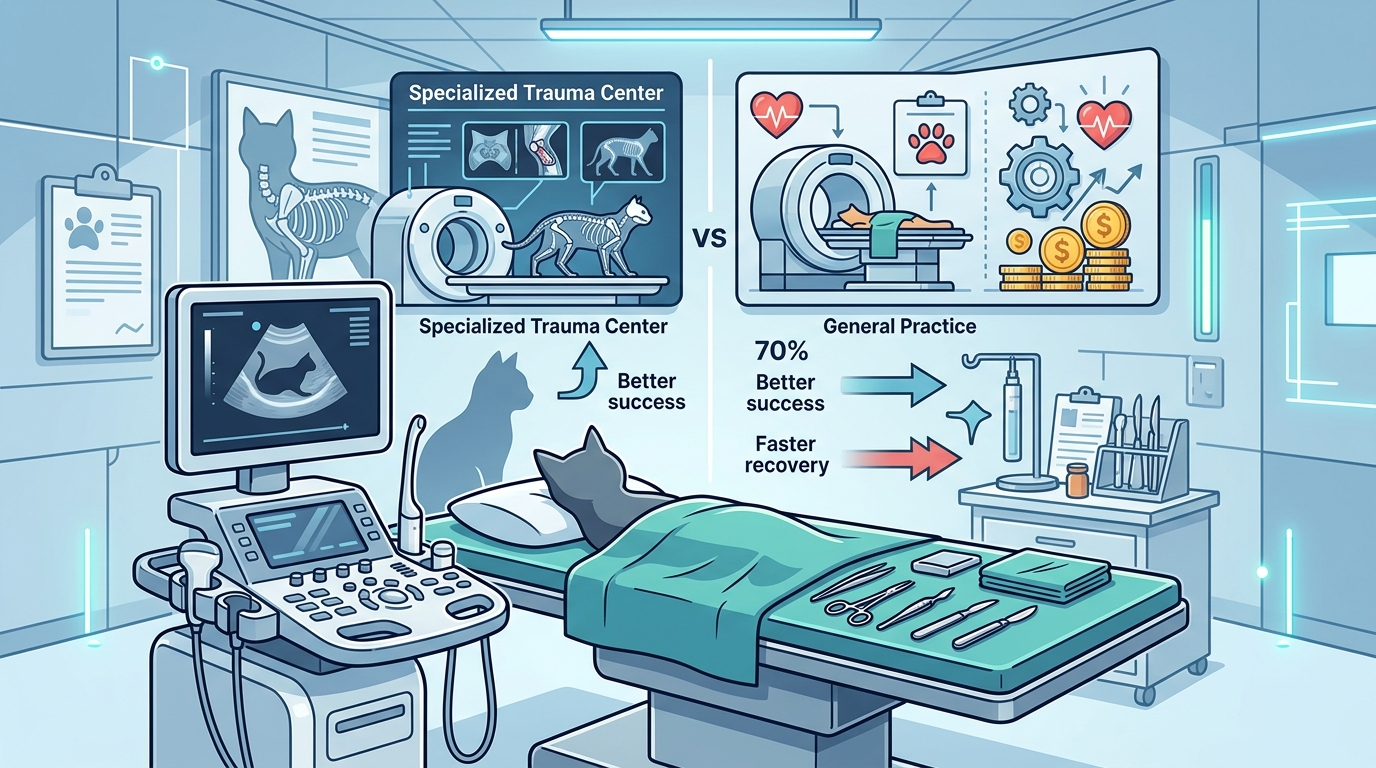
The table above illustrates the structural differences in care delivery. While the initial cost at a specialized hospital may be higher, the inclusion of advanced diagnostics and specialist care can prevent costly complications and repeated visits. For example, a cat with a spinal injury diagnosed via MRI at LAASER can receive immediate surgical intervention, potentially avoiding the need for long-term pain management or euthanasia due to misdiagnosis.
Payment options and financial counseling are available at specialized hospitals to help pet owners manage the costs. LAASER provides detailed information on payments and accepts various forms of coverage, including third-party pet insurance. Understanding these options can alleviate some of the financial stress associated with emergency care.
Clinical Outcomes and Long-Term Benefits
The primary benefit of specialized trauma care is the improvement in clinical outcomes. Board-certified specialists have undergone extensive training and certification processes, ensuring a high level of expertise in managing complex cases. Cardiology is the study of the heart and blood vessels, and its specialization is vital for cats with trauma-induced cardiac issues.
Studies in veterinary medicine suggest that patients treated by specialists have better survival rates and fewer complications. For cats, this means a higher likelihood of returning to a normal, active life. The expertise of doctors like Dr. Eileen Kenney in emergency and critical care, and Dr. Kimi Sharma in neurology, ensures that patients receive the most advanced care available.
Long-term benefits include reduced risk of chronic pain, better functional recovery, and improved quality of life. These outcomes are difficult to quantify in immediate financial terms but are invaluable to pet owners. The peace of mind that comes from knowing your pet is in the hands of experts is a significant non-monetary benefit.
Rehabilitation and Integrative Medicine
Recovery from trauma is not just about surgery; it involves a comprehensive rehabilitation plan. Rehabilitation and Integrative Medicine combines traditional veterinary care with complementary therapies to enhance recovery. This approach is particularly beneficial for cats with orthopedic injuries or neurological deficits.
LAASER offers specialized rehabilitation services, including physical therapy and acupuncture. These treatments help reduce pain, improve mobility, and accelerate healing. The involvement of certified veterinarians and physical therapists ensures that the rehabilitation plan is tailored to the individual needs of the cat.
The integration of these services within the emergency hospital setting allows for seamless care transitions. Pets do not need to be transferred to a separate facility for rehabilitation, reducing stress and ensuring continuity of care. This holistic approach to trauma care is a key differentiator for specialized hospitals and contributes to the overall cost-benefit analysis.
Key Takeaways
- Specialized emergency hospitals like LAASER provide 24/7 care with board-certified specialists in critical fields.
- Advanced diagnostics, such as MRI, are available on-site, reducing the need for external referrals.
- Higher initial costs are often offset by better clinical outcomes and reduced long-term medical expenses.
- Rehabilitation and integrative medicine services are crucial for optimal recovery from trauma.
- Triage protocols in specialized settings prioritize life-threatening conditions for immediate intervention.
- Payment plans and insurance options are available to manage the financial burden of emergency care.
- Expertise in neurology, cardiology, and surgery significantly improves survival rates for complex feline trauma.
Frequently Asked Questions
What is the cost of emergency care for a cat at a specialized hospital?
The cost varies based on the severity of the injury and the services required. Specialized hospitals like LAASER offer detailed payment information and accept pet insurance to help manage costs.
Do I need a referral to visit a specialized emergency hospital?
No, you can bring your pet directly to a specialized emergency hospital. However, referrals from primary care veterinarians can help streamline the process and ensure continuity of care.
What services are available for feline trauma at LAASER?
LAASER offers emergency medicine, neurology and neurosurgery, surgery, internal medicine, cardiology, and rehabilitation/integrative medicine for cats.
How does triage work in an emergency setting?
Triage is the process of assessing the severity of a patient's condition to prioritize care. Critically ill patients are treated first, regardless of arrival time.
Is rehabilitation necessary after trauma surgery?
Rehabilitation is often recommended to ensure optimal recovery, reduce pain, and restore function. It is an integral part of the care plan for many trauma patients.
What should I do if my cat is in a medical emergency?
Call the hospital immediately at (323) 800-VETS (8387) so the team can prepare for your arrival. Do not wait for business hours if the condition is critical.
Are there payment plans available for emergency care?
Yes, many specialized hospitals offer payment plans and work with third-party financing options to make care more accessible.
Contact LAASER
If you are facing a feline trauma emergency or need specialized care, do not hesitate to contact Los Angeles Animal Specialty Emergency & Rehabilitation. Our team of experts is ready to provide the highest level of care for your pet. Visit our Contact Us page for more information or call us directly at (323) 800-VETS (8387). We are here for you and your pets, 24 hours a day, 7 days a week.