
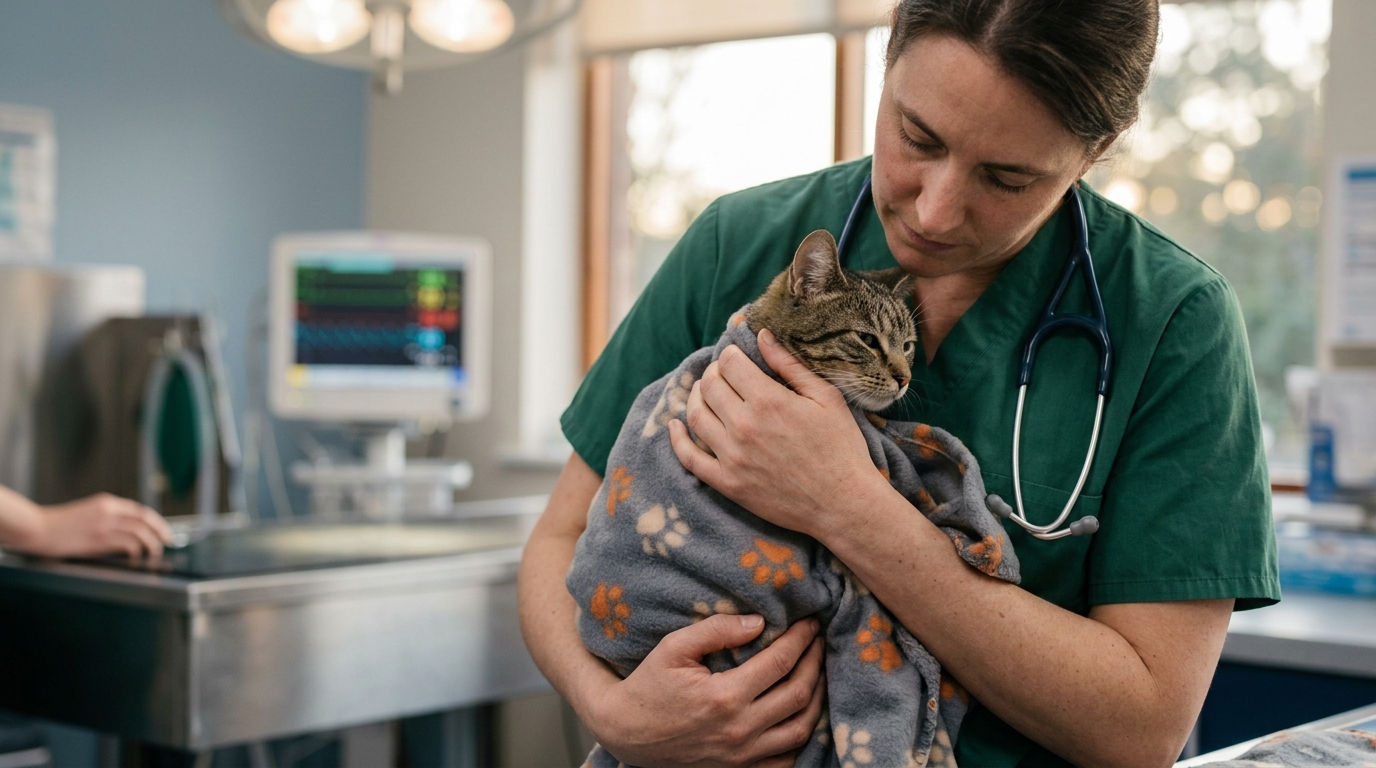
Selecting the Right Trauma Care Options for Your Severely Injured Cat
Cats are masters of concealment, often hiding pain and injury until a condition becomes critical. When a feline companion suffers a severe trauma, the window for effective intervention is narrow. According to recent veterinary emergency data, delayed treatment for traumatic injuries in cats significantly reduces survival rates and long-term quality of life. This guide outlines the essential steps for identifying trauma, understanding the specialized care available at a facility like Los Angeles Animal Specialty Emergency & Rehabilitation, and navigating the critical decisions that follow.
Identifying Hidden Trauma in Cats
Unlike dogs, cats rarely vocalize distress when injured. Their evolutionary instinct is to mask weakness to avoid predation. As a result, severe trauma often presents with subtle or non-specific signs. Owners must be vigilant for symptoms such as rapid breathing, pale gums, lethargy, or reluctance to move. If your cat has been outdoors, hit by a vehicle, or involved in a fight, immediate veterinary assessment is non-negotiable.
Internal bleeding, organ rupture, and spinal injuries may not be visible externally. A cat appearing "fine" after a fall or collision can deteriorate rapidly due to shock. Recognizing these red flags early allows for faster triage and better outcomes. For more information on emergency protocols, visit our For Pet Owners page.
Emergency Medicine vs. Specialty Care
Understanding the distinction between general emergency care and specialty care is vital for selecting the right facility. General emergency clinics stabilize patients, but complex trauma often requires advanced diagnostics and specialized surgical intervention.
Los Angeles Animal Specialty Emergency & Rehabilitation (LAASER) operates as a 24/7 emergency and critical care hospital. Our team includes board-certified specialists in emergency and critical care, internal medicine, cardiology, neurology, and surgery. This multidisciplinary approach ensures that a cat with multi-system trauma receives coordinated care from experts in each relevant field.
The Role of Board-Certified Specialists
Board-certified veterinarians have completed rigorous residency training beyond veterinary school. In trauma cases, this expertise translates to more accurate diagnoses and tailored treatment plans. For instance, a neurologist can assess spinal cord damage that a general practitioner might miss, while a cardiologist can manage shock-induced organ failure.
The Diagnostic Workflow
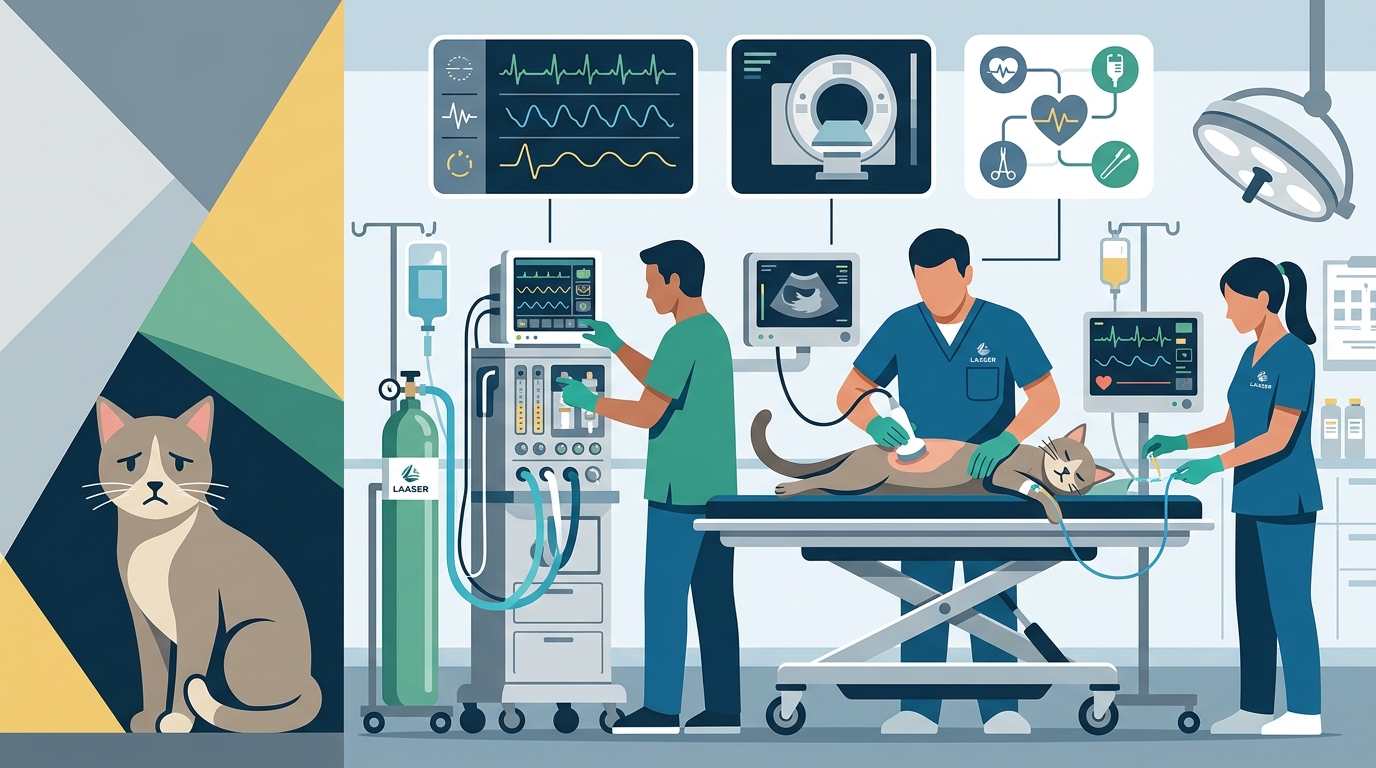
Upon arrival, your cat will undergo a rapid triage assessment. This process determines the urgency of care based on the severity of the injury. Following stabilization, a comprehensive diagnostic workup begins.
Advanced Imaging
Diagnostic imaging is the cornerstone of trauma evaluation. Ultrasound allows for rapid assessment of internal bleeding and organ integrity. X-rays are essential for identifying fractures and pneumothorax (collapsed lung). In complex cases involving neurological deficits, Neurology and MRI services provide detailed visualization of the brain and spinal cord.
Laboratory Analysis
Blood work evaluates organ function, clotting ability, and electrolyte balance. These metrics help guide fluid therapy and blood product administration. Our Internal Medicine department utilizes these results to manage systemic complications effectively.
Trauma Treatment Options
Treatment for severe feline trauma is highly individualized. Below is a summary of common interventions based on injury type.
| Injury Type | Primary Treatment | Specialist Involved |
|---|---|---|
| Fractures | Surgical fixation, splinting | Surgery Department |
| Neurological Deficits | MRI, neurosurgery, pain management | Neurology and Neurosurgery |
| Internal Bleeding | Emergency surgery, blood transfusion | Emergency & Critical Care |
| Cardiac Compromise | Fluid therapy, medication | Cardiology Department |
Surgical Intervention
When conservative management is insufficient, surgery becomes necessary. Our Surgery department is equipped to handle complex orthopedic and soft tissue repairs. Minimally invasive techniques are preferred when possible to reduce recovery time and pain.
Pain Management
Effective pain control is critical for trauma recovery. Unmanaged pain can lead to shock and delayed healing. Our team employs a multimodal approach, combining opioids, non-steroidal anti-inflammatories, and adjunctive therapies to ensure your cat's comfort.
Recovery and Rehabilitation
Post-trauma recovery extends beyond the initial stabilization. Rehabilitation and Integrative Medicine plays a pivotal role in restoring function and quality of life. Our certified veterinarians and physical therapists design customized plans that may include:
- Physical Therapy: Targeted exercises to restore mobility and strength.
- Acupuncture: Stimulates natural pain relief and healing mechanisms.
- Laser Therapy: Reduces inflammation and promotes tissue repair.
For details on our rehabilitation services, please review our Rehabilitation/Integrative Medicine page. Early intervention in rehabilitation can significantly improve long-term outcomes for cats with severe injuries.
Key Takeaways
- Cats hide pain; seek immediate care if trauma is suspected.
- LAASER provides 24/7 emergency and specialty care in Los Angeles.
- Board-certified specialists ensure accurate diagnosis and treatment.
- Advanced imaging like MRI is crucial for neurological trauma.
- Rehabilitation is essential for restoring function after injury.
- Early triage improves survival rates and quality of life.
- Contact LAASER at (323) 800-VETS for emergency assistance.
Frequently Asked Questions
How do I know if my cat has internal injuries?
Symptoms include pale gums, rapid breathing, lethargy, and abdominal distension. Immediate veterinary evaluation is required.
Does LAASER offer 24/7 emergency services?
Yes, our hospital is open 24 hours a day, 7 days a week, 365 days a year for emergency and critical care.
What is the cost of emergency trauma care?
Costs vary based on the severity of injury and treatments required. We accept various payment options and can discuss financial plans during your visit. See our Payments page for more information.
Can my regular vet handle trauma cases?
While primary vets provide initial care, complex trauma often requires specialty services. We recommend direct referral to a specialty hospital for critical cases.
What is the role of rehabilitation in trauma recovery?
Rehabilitation helps restore mobility, reduce pain, and prevent complications. It is vital for cats with fractures or neurological injuries.
How do I prepare for an emergency visit?
Bring your cat in a secure carrier. If possible, call ahead so our team can prepare for your arrival. Visit our For Pet Owners page for detailed guidelines.
Do you accept veterinary referrals?
Yes, we welcome referrals from primary care veterinarians. Please contact our For Veterinarians team for coordination.
Take the Next Step for Your Cat's Health
If your cat is injured, time is of the essence. Do not wait for symptoms to worsen. Contact Los Angeles Animal Specialty Emergency & Rehabilitation immediately for expert care. Our team is ready to provide the compassionate, high-tech treatment your pet needs. Call us at (323) 800-VETS or visit our Contact Us page for directions and further information.