
Common Mistakes in Feline Trauma Recovery and How to Prevent Them
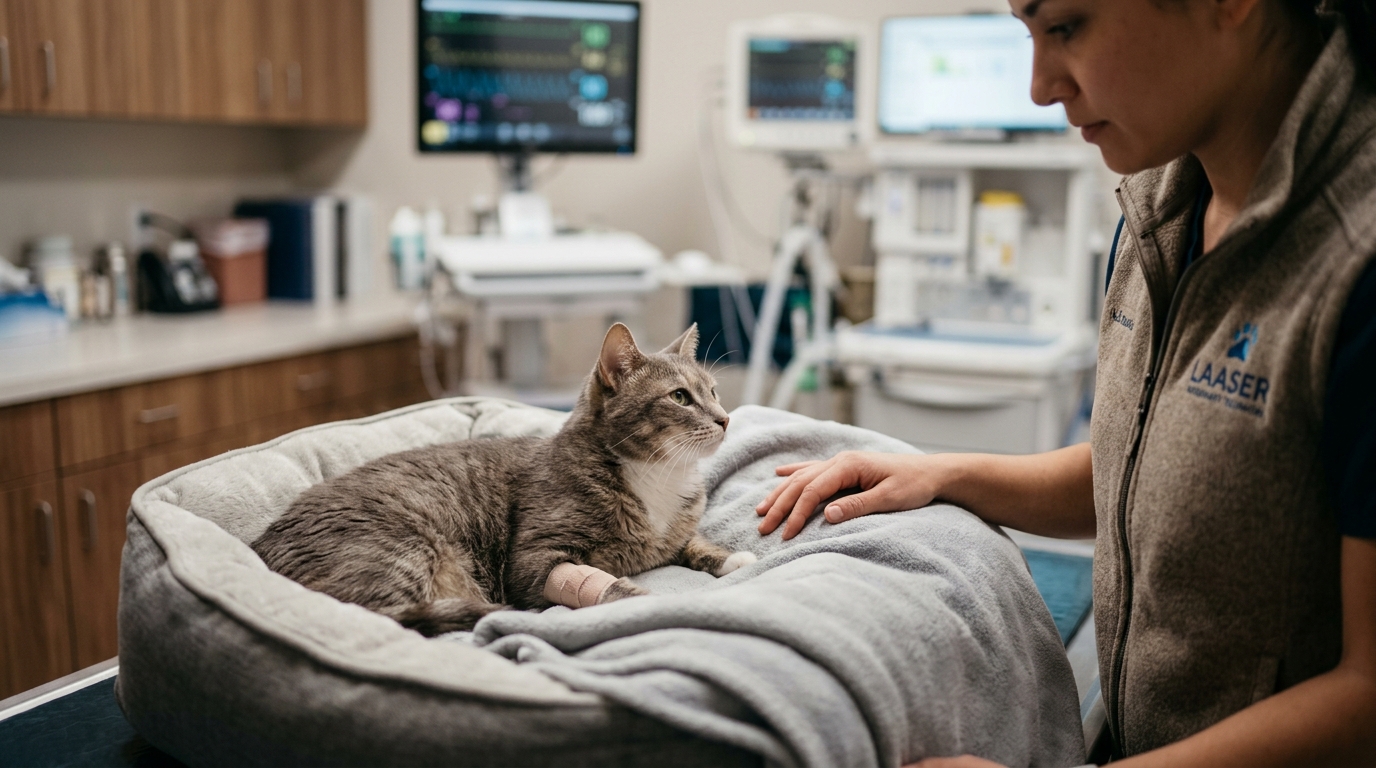
Feline trauma recovery is a delicate process that demands precision, patience, and a deep understanding of feline physiology. When a cat suffers a serious injury, whether from a fall, a vehicle accident, or a fight, the margin for error is slim. Stress is the number one enemy of healing in cats, and improper handling during the recovery phase can lead to setbacks that delay return to health by weeks. According to recent veterinary behavioral studies, up to 60% of post-surgical complications in cats are linked to environmental stressors rather than surgical failure. This guide outlines the critical errors pet owners make and provides actionable strategies to ensure your feline companion heals safely and effectively. (Los Angeles Animal Specialty)
Understanding Feline Trauma and Critical Care
Feline trauma often involves complex injuries that extend beyond visible wounds. Cats are masters at hiding pain, a survival instinct inherited from their wild ancestors. This concealment means that by the time a cat shows obvious signs of distress, the injury may be severe. Early intervention is critical for survival. At LAASER, we specialize in emergency and critical care, utilizing state-of-the-art diagnostic tools to assess internal damage that is not visible to the naked eye.
Trauma in cats can range from soft tissue injuries to fractures, internal bleeding, and head trauma. The recovery process is not linear. It requires a multidisciplinary approach involving emergency medicine, surgery, and rehabilitation. Understanding the scope of your cat's injury is the first step in preventing common recovery mistakes. For more information on our emergency services, visit our Emergency Medicine page.
Mistake 1: Ignoring Stress Management
One of the most common mistakes pet owners make is underestimating the impact of stress on a cat's immune system. Stress releases cortisol, which can suppress the immune response and slow down tissue repair. A stressed cat is less likely to eat, groom, or rest, all of which are essential for healing.
Creating a Safe Haven
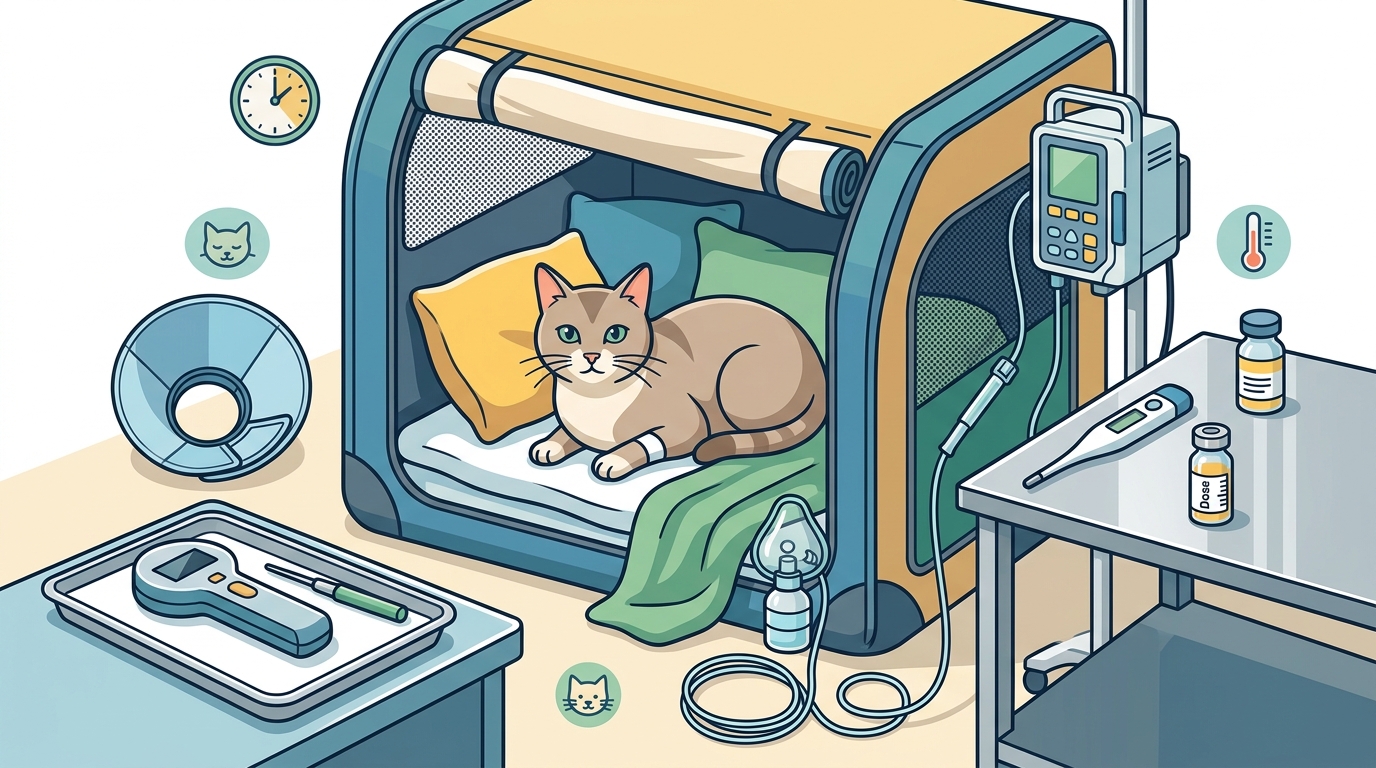
To prevent stress-related setbacks, create a quiet, confined space for your cat. This area should be away from other pets, children, and high-traffic areas. Use pheromone diffusers, such as Feliway, to create a calming environment. Minimize noise and light to help your cat feel secure.
Handling with Care
When handling your cat, be gentle and supportive. Avoid picking them up by the scruff or limbs, as this can cause pain and anxiety. Instead, support their entire body, including their hind legs. If your cat is aggressive due to fear, do not force interaction. Consult with your veterinarian for guidance on safe handling techniques.
Mistake 2: Mishandling Pain Medication
Pain management is a cornerstone of trauma recovery. However, many owners either under-medicate or over-medicate their pets, both of which can have serious consequences. Pain causes stress, which in turn impedes healing. Conversely, incorrect dosing can lead to toxicity or organ damage.
Adhering to Prescriptions
Always follow your veterinarian's instructions precisely. Do not adjust doses without consulting your vet. If you are concerned about side effects, such as lethargy or gastrointestinal issues, contact your vet immediately. Never give human pain medications, such as ibuprofen or acetaminophen, to cats. These drugs are highly toxic to felines and can be fatal.
Monitoring for Pain Signs
Cats show pain differently than dogs. Look for signs such as hiding, vocalizing, changes in posture, or aggression. If your cat seems to be in pain despite medication, contact your veterinarian. Adjusting the pain management plan is crucial for a smooth recovery.
Mistake 3: Inadequate Recovery Environment
The physical environment plays a significant role in a cat's recovery. A common mistake is allowing the cat to roam freely in the house, which can lead to re-injury or exhaustion. Confinement is necessary to ensure rest and prevent accidental falls or jumps.
Setting Up a Recovery Room
Choose a small room, such as a bathroom or bedroom, for your cat's recovery. Provide a comfortable bed, food, water, and a litter box within easy reach. Ensure the room is warm and draft-free. If your cat has mobility issues, consider using ramps or steps to help them access their bed.
Preventing Access to Dangerous Areas
Block off stairs, balconies, and other high places. Cats have a strong instinct to climb, but this can be dangerous during recovery. Use baby gates or close doors to restrict access to unsafe areas. Supervise any time spent outside the recovery room.
Mistake 4: Improper Wound and Incision Care
Proper wound care is essential to prevent infection and promote healing. Many owners make the mistake of ignoring the incision site or cleaning it incorrectly. Infection is a serious complication that can lead to hospitalization and additional surgery.
Monitoring the Incision
Check the incision site daily for signs of infection, such as redness, swelling, discharge, or odor. Keep the area clean and dry. Do not allow your cat to lick or chew the incision. Use an Elizabethan collar (cone) or a recovery suit if necessary.
Cleaning Techniques
If your veterinarian recommends cleaning the incision, use only the solutions they prescribe. Avoid using hydrogen peroxide or alcohol, as these can damage healthy tissue and delay healing. Gently pat the area dry with a clean cloth. If you notice any abnormalities, contact your vet immediately.
Mistake 5: Neglecting Hydration and Nutrition
Hydration and nutrition are vital for tissue repair and immune function. Cats that are in pain or stressed may refuse to eat or drink. Dehydration can lead to kidney failure and other serious health issues. Ensuring your cat stays hydrated and nourished is a critical part of recovery.
Encouraging Eating
Offer strong-smelling foods, such as wet food or treats, to stimulate appetite. Warm the food slightly to enhance the aroma. If your cat refuses to eat for more than 24 hours, contact your veterinarian. You may need to switch to a prescription diet or use appetite stimulants.
Ensuring Hydration
Provide fresh water at all times. Consider using a water fountain, as many cats prefer running water. If your cat is not drinking enough, try offering broth or ice cubes. Monitor their urine output to ensure they are hydrated. Decreased urination can be a sign of dehydration or kidney issues.
When to Call LAASER for Emergency Care
While home care is essential, some situations require immediate professional attention. Do not wait for symptoms to worsen if you suspect a complication. LAASER is open 24/7 for emergency and critical care. Our team of board-certified specialists is equipped to handle complex trauma cases.
If your cat experiences any of the following, call us immediately:
- Difficulty breathing or rapid breathing
- Uncontrolled bleeding
- Seizures or loss of consciousness
- Severe pain or distress
- Sudden collapse or weakness
- Refusal to eat or drink for more than 24 hours
Our triage team will assess your pet's condition and provide the necessary care. For more information on our emergency services, visit our For Pet Owners page.
Key Takeaways
- Stress Management: Create a quiet, confined space to minimize cortisol levels and promote healing.
- Pain Medication: Follow veterinary instructions precisely and never use human painkillers.
- Recovery Environment: Restrict movement to prevent re-injury and ensure rest.
- Wound Care: Monitor incisions daily for signs of infection and keep them clean and dry.
- Nutrition and Hydration: Encourage eating and drinking to support immune function and tissue repair.
- Emergency Signs: Know the red flags that require immediate veterinary attention.
- Professional Care: Utilize LAASER's 24/7 emergency services for complex trauma cases.
Frequently Asked Questions
How long does feline trauma recovery take?
Recovery time varies depending on the severity of the injury. Minor soft tissue injuries may heal in 1-2 weeks, while complex fractures or internal injuries can take several months. Follow your veterinarian's timeline for follow-up visits.
Can I give my cat human pain medication?
No, never give human pain medication to cats. Drugs like ibuprofen and acetaminophen are highly toxic and can be fatal. Always use veterinary-prescribed pain management.
How do I know if my cat is in pain?
Cats hide pain well. Look for signs such as hiding, vocalizing, changes in posture, aggression, or reluctance to move. If you suspect pain, contact your veterinarian.
What should I do if my cat refuses to eat?
Try offering strong-smelling wet food or treats. If your cat refuses to eat for more than 24 hours, contact your veterinarian, as this can lead to serious health issues.
When should I call LAASER?
Call LAASER immediately if your cat experiences difficulty breathing, uncontrolled bleeding, seizures, severe pain, or sudden collapse. We are open 24/7 for emergencies.
Do I need to keep my cat in a cone?
Yes, if your cat has an incision or wound, keep them in a cone or recovery suit to prevent licking or chewing, which can cause infection and delay healing.
How can I reduce my cat's stress during recovery?
Provide a quiet, confined space, use pheromone diffusers, and minimize noise and light. Handle your cat gently and avoid forcing interaction.
Contact LAASER for Expert Feline Care
If you are concerned about your cat's recovery or need emergency care, do not hesitate to contact LAASER. Our team of board-certified specialists is dedicated to providing the highest level of care for your beloved pet. Visit our Contact Us page to schedule an appointment or get directions to our hospital at 2500 N San Fernando Rd, Los Angeles, CA 90065. For immediate assistance, call us at 323-800-VETS (8387). We are here for you and your pets, 24 hours a day, 7 days a week.