
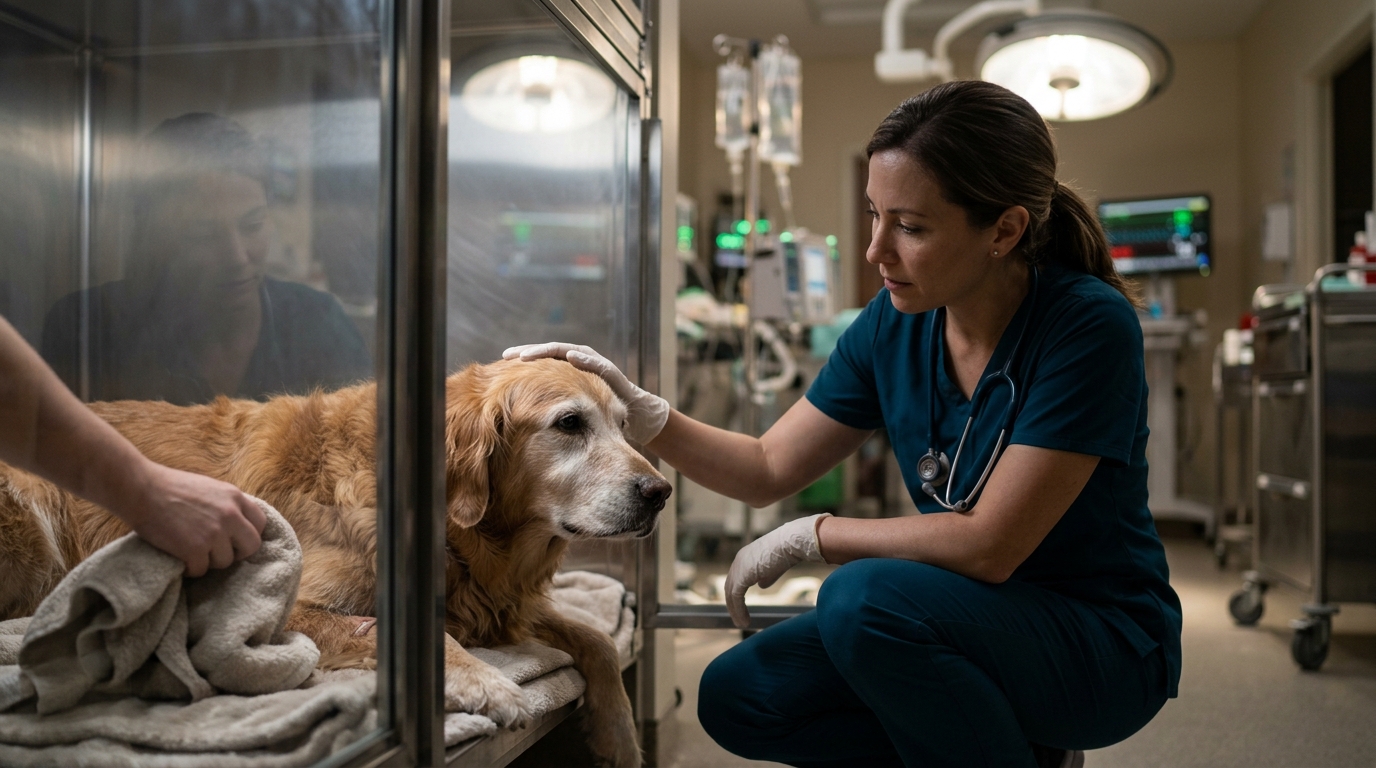
Managing sudden internal bleeding in a senior dog overnight requires immediate veterinary intervention, as this condition is life-threatening and cannot be treated at home. You must transport your pet to a 24/7 emergency veterinary hospital immediately. This guide covers the critical steps for emergency veterinary care and the role of emergency surgery in stabilizing senior patients at Los Angeles Animal Specialty Emergency & Rehabilitation (LAASER).
Emergency Transport Procedures
Internal bleeding in senior dogs is a medical crisis that demands rapid professional assessment. Senior dogs are more susceptible to internal hemorrhage due to age-related changes in blood clotting, organ fragility, and the presence of underlying conditions such as tumors or chronic kidney disease. When a senior dog exhibits signs of internal bleeding, such as pale gums, a distended abdomen, or sudden weakness, the priority is to reach a facility equipped for critical care. LAASER provides 24/7 emergency and critical veterinary care in Los Angeles, ensuring that senior patients receive immediate attention regardless of the time of day.
Recognizing the Signs of Internal Hemorrhage
Identifying internal bleeding early is crucial for survival. Unlike external bleeding, internal hemorrhage is often hidden, making clinical signs the primary diagnostic tool. Common indicators include a rapid heart rate, shallow breathing, and cold extremities. In senior dogs, these signs may be subtle at first but deteriorate quickly. Pale or white gums are a strong indicator of significant blood loss. If you observe these symptoms, do not wait for them to worsen. Time is the most critical factor in managing internal bleeding.
Safe Transport Techniques
Transporting a dog with internal bleeding requires care to prevent further injury or shock. Keep the dog as still and calm as possible during the ride. Use a firm, flat surface, such as a board or a large piece of cardboard, to support the dog's body. Avoid bending or twisting the spine, especially if the bleeding is related to trauma or a spinal issue. Cover the dog with a blanket to maintain body temperature, as hypothermia can accelerate shock. Drive safely and directly to the nearest 24/7 emergency hospital. Do not stop for non-essential reasons. If the dog is in severe pain or distress, call the hospital ahead of time so the team can prepare for arrival.
Why 24/7 Care is Essential
Internal bleeding does not respect business hours. It can occur at 3 AM, on holidays, or during weekends. Standard veterinary clinics are closed during these times, leaving pet owners without immediate options. A 24/7 emergency hospital like LAASER is staffed around the clock with veterinarians and technicians trained in critical care. This availability ensures that your senior dog can receive life-saving treatment immediately. The collaborative approach at LAASER, where emergency teams work closely with specialty departments, ensures that complex cases are managed with the highest level of expertise.
Veterinary Stabilization Treatment
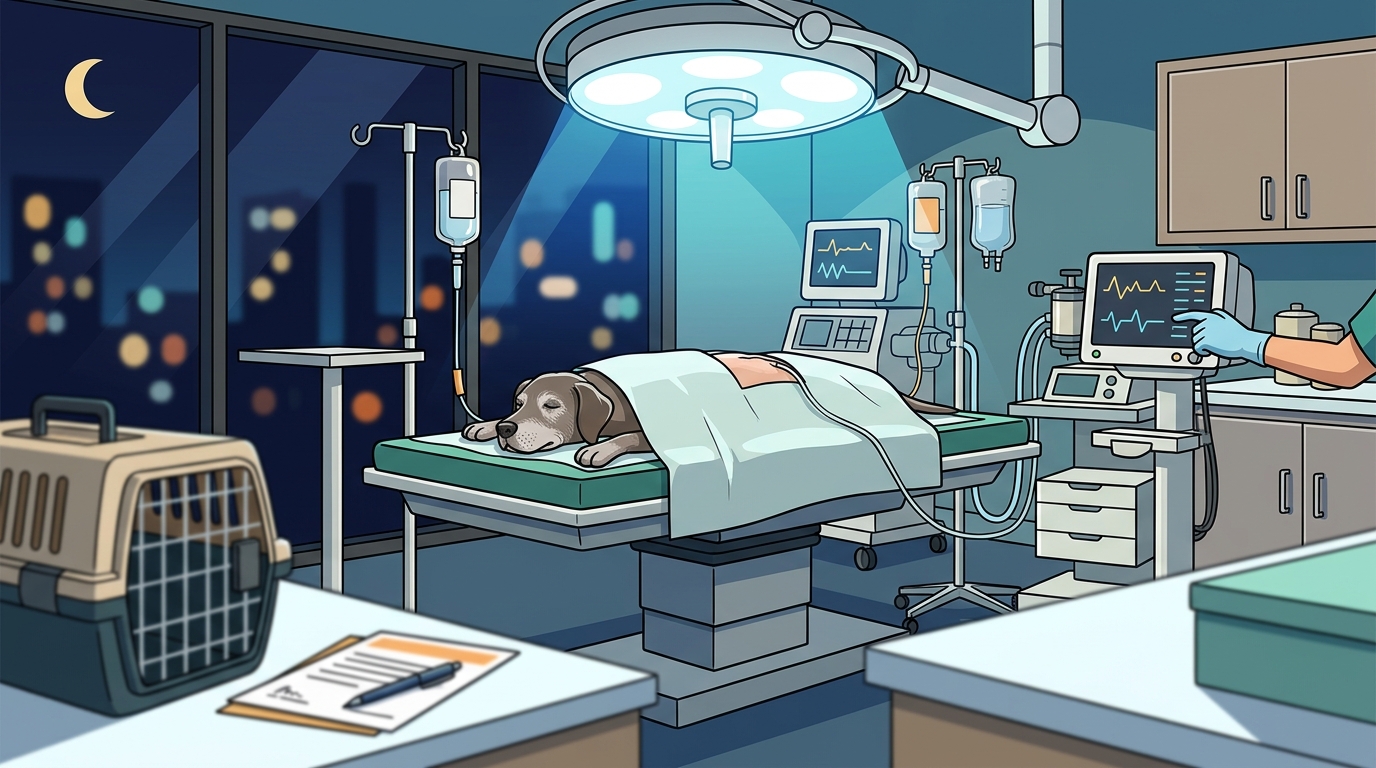
Upon arrival at an emergency hospital, your pet will undergo a triage assessment. This process determines the urgency of the medical needs and ensures that the most critically ill patients receive immediate attention. At LAASER, triage technicians promptly assess your pet’s condition to prioritize care. This rapid assessment allows the medical team to begin stabilizing the patient while diagnostic tests are being prepared. The collaborative approach at LAASER, where emergency teams work closely with specialty departments, ensures that complex cases are managed with the highest level of expertise.
The Triage Process at LAASER
Triage is the first step in emergency veterinary care. It involves a quick but thorough evaluation of the patient’s vital signs, including heart rate, respiratory rate, temperature, and mucous membrane color. The goal is to identify life-threatening conditions and initiate treatment immediately. At LAASER, the triage process is designed to be efficient and compassionate. The team works quickly to stabilize the patient while gathering the necessary information to guide further treatment. This process is critical for senior dogs, who may have underlying health conditions that complicate their response to emergency care.
Diagnostic Imaging and Blood Work
Once the patient is stabilized, the veterinary team will perform diagnostic tests to identify the source of the bleeding. These tests may include blood work, urinalysis, and imaging studies such as X-rays, ultrasound, or CT scans. Blood work can reveal anemia, clotting disorders, and organ dysfunction. Imaging studies can help locate the source of the bleeding and assess the extent of the damage. At LAASER, advanced diagnostic tools are available to provide accurate and timely results. This information is essential for developing a treatment plan that addresses the underlying cause of the bleeding.
Emergency Surgery and Ongoing Care
In many cases, emergency surgery is required to stop the bleeding and repair damaged tissues. Surgery is a major procedure, especially for senior dogs, but it can be life-saving. The surgical team at LAASER is experienced in performing emergency procedures on senior patients. They take special care to manage anesthesia and monitor the patient closely during and after surgery. Following surgery, the patient will require ongoing care in the critical care unit. This care includes monitoring vital signs, administering fluids and medications, and providing pain management. The goal is to support the patient’s recovery and prevent complications.
Key Takeaways
- Internal bleeding in senior dogs is a life-threatening emergency that requires immediate veterinary care.
- Recognize the signs of internal bleeding, such as pale gums, rapid heart rate, and weakness.
- Transport your pet safely and quickly to a 24/7 emergency hospital.
- LAASER provides 24/7 emergency and critical care in Los Angeles.
- Triage and diagnostic testing are essential for identifying the source of the bleeding.
- Emergency surgery may be required to stop the bleeding and repair damaged tissues.
- Ongoing critical care is necessary to support recovery and prevent complications.
- Do not wait for symptoms to worsen. Seek immediate veterinary attention if you suspect internal bleeding.
Frequently Asked Questions
What are the signs of internal bleeding in a senior dog?
Signs of internal bleeding in a senior dog include pale or white gums, a rapid heart rate, shallow breathing, cold extremities, sudden weakness, and a distended abdomen. These signs may be subtle at first but can deteriorate quickly. If you observe any of these symptoms, seek immediate veterinary care.
Can internal bleeding be treated at home?
No, internal bleeding cannot be treated at home. It is a life-threatening condition that requires immediate veterinary intervention. You must transport your pet to a 24/7 emergency veterinary hospital immediately.
Why is 24/7 emergency care important for senior dogs?
Internal bleeding can occur at any time, including nights and weekends. Standard veterinary clinics are closed during these times, leaving pet owners without immediate options. A 24/7 emergency hospital like LAASER ensures that your senior dog can receive life-saving treatment immediately.
What happens during the triage process at LAASER?
During the triage process, the veterinary team quickly evaluates the patient’s vital signs and condition to identify life-threatening issues. This allows them to prioritize care and begin stabilizing the patient while diagnostic tests are prepared.
What diagnostic tests are used to identify the source of internal bleeding?
Diagnostic tests may include blood work, urinalysis, and imaging studies such as X-rays, ultrasound, or CT scans. These tests help identify the source of the bleeding and assess the extent of the damage.
Is emergency surgery common for internal bleeding in senior dogs?
Yes, emergency surgery is often required to stop the bleeding and repair damaged tissues. The surgical team at LAASER is experienced in performing emergency procedures on senior patients and takes special care to manage anesthesia and monitor the patient closely.
How long does recovery take after emergency surgery for internal bleeding?
Recovery time varies depending on the severity of the bleeding and the patient’s overall health. Most senior dogs require several days of hospitalization for ongoing critical care. Follow-up appointments are necessary to monitor progress and adjust treatment as needed.
How can I prevent internal bleeding in my senior dog?
Regular veterinary check-ups and blood work can help identify underlying conditions that may increase the risk of internal bleeding. Managing chronic conditions such as kidney disease or tumors can also reduce the risk. If you notice any sudden changes in your senior dog’s behavior or health, seek veterinary care immediately.
Conclusion
Managing sudden internal bleeding in a senior dog overnight is a critical situation that requires immediate action. Recognizing the signs, transporting your pet safely, and seeking 24/7 emergency care are essential steps to save your pet’s life. LAASER is equipped to provide the advanced diagnostics, emergency surgery, and critical care that senior dogs need. If you suspect your senior dog is experiencing internal bleeding, do not wait. Call LAASER immediately at (323) 800-VETS (8387) or come directly to our hospital. Your prompt action can make the difference between life and death.