
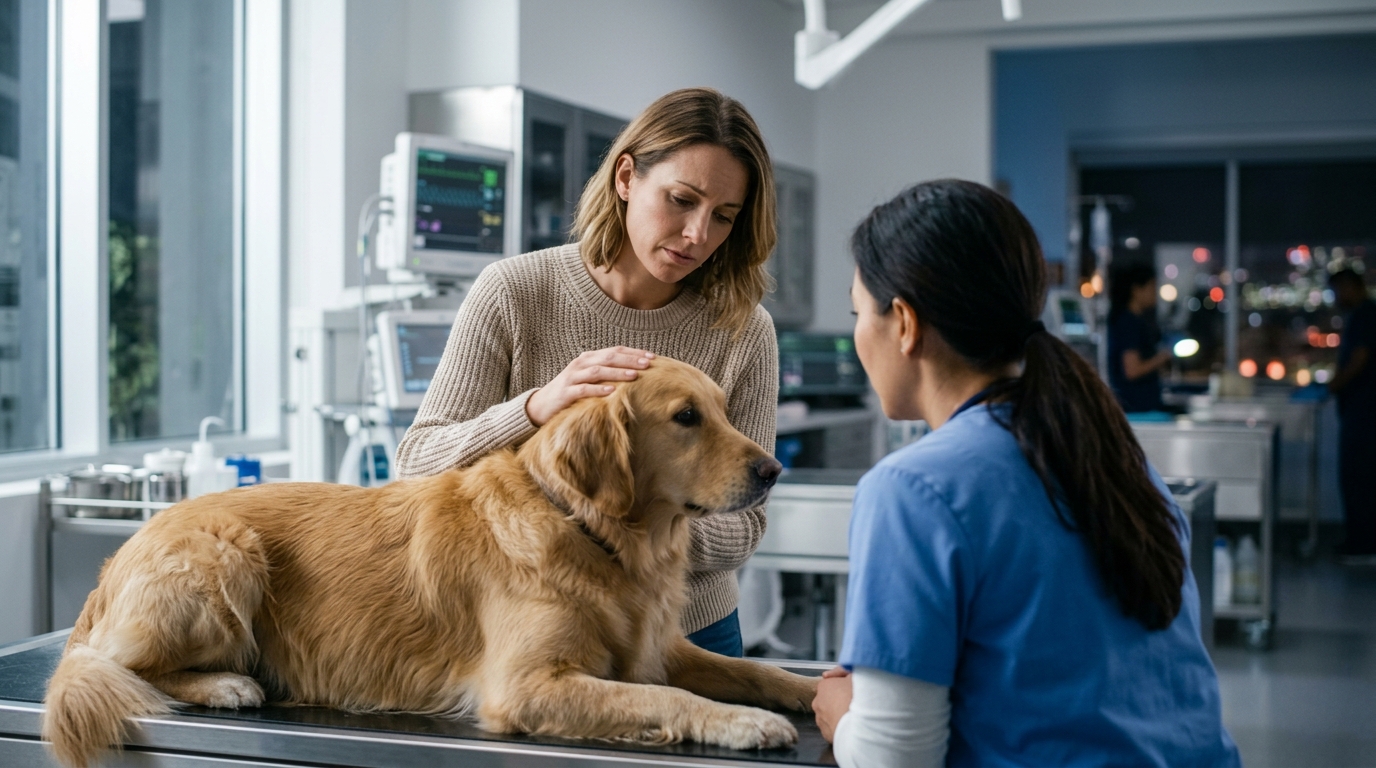
Pet emergencies do not adhere to a standard business schedule. Whether it is a sudden injury, a toxic ingestion, or a critical illness, the window for effective intervention is often measured in minutes. According to the American Veterinary Medical Association, approximately 1 in 10 pets will experience a medical emergency requiring immediate attention each year. This statistic underscores the critical importance of having a trusted, high-capacity facility nearby. When seconds count, the difference between a full recovery and a tragic outcome often lies in the quality of the initial response and the advanced resources available at the receiving hospital.
Understanding the Triage Process
When you arrive at an emergency veterinary hospital, the first interaction is with the triage team. Triage is a systematic process used to prioritize patients based on the severity of their condition. It is not a first-come, first-served system. Pets with life-threatening symptoms, such as difficulty breathing, severe bleeding, or unconsciousness, are seen immediately. Those with less urgent issues may face longer wait times as the medical team stabilizes critical cases.
Understanding this protocol helps pet owners manage their expectations and anxiety. If you suspect your pet is in distress, it is always advisable to call ahead. This allows the hospital to prepare for your arrival and ensures that the appropriate specialists are on standby. For example, if your dog has ingested a toxin, the medical team can begin preliminary treatment protocols before you even walk through the door.
At facilities like Los Angeles Animal Specialty Emergency & Rehabilitation, the triage team is trained to assess urgency rapidly. This ensures that the most vulnerable patients receive the immediate attention they need. The hospital operates 24 hours a day, 7 days a week, 365 days a year, ensuring that expert care is always accessible.
The Value of On-Site Specialty Care
Not all emergency clinics are created equal. Many general emergency hospitals stabilize patients and then transfer them to specialty centers for advanced care. This transfer process can delay critical treatment and add significant stress for pet owners. Choosing a facility that houses multiple specialty departments under one roof eliminates this delay.
Specialty care includes fields such as neurology, cardiology, internal medicine, and surgery. When these specialists are available on-site, they can consult with emergency veterinarians in real-time. This collaborative approach leads to faster, more accurate diagnoses and more effective treatment plans. For instance, a pet suffering from a neurological event can be evaluated by a neurologist immediately, rather than waiting for a referral.
LAASER provides comprehensive specialty services, including neurology and MRI, surgery, and cardiology. This integrated model ensures that pets receive the highest level of care without the need for multiple transfers. The hospital's commitment to advanced care is reflected in its board-certified veterinarians who specialize in these complex fields.
Advanced Diagnostic Technology
Modern veterinary medicine relies heavily on advanced technology to diagnose and treat complex conditions. State-of-the-art equipment allows veterinarians to see inside the body with precision, guiding surgical interventions and medical treatments. Key technologies include digital radiography, ultrasound, computed tomography (CT), and magnetic resonance imaging (MRI).
For example, an MRI is crucial for diagnosing neurological conditions such as intervertebral disc disease or brain tumors. Without this imaging, a veterinarian might rely on guesswork, leading to delayed or incorrect treatment. Similarly, advanced cardiac monitoring is essential for pets with heart conditions, allowing for precise management of medications and interventions.
LAASER utilizes the latest in high-tech equipment to provide accurate diagnostics. Their neurology and MRI department offers advanced imaging that is unavailable in most general veterinary offices. This technological advantage ensures that pets receive the most precise care possible, improving outcomes and reducing the need for exploratory surgeries.
Board-Certified Expertise
The expertise of the veterinary team is a critical factor in choosing an emergency hospital. Board-certified veterinarians have completed extensive training and passed rigorous examinations in their respective specialties. This level of expertise is particularly important in emergency medicine, where quick and accurate decisions are vital.
Emergency and critical care veterinarians are trained to handle a wide range of life-threatening conditions. They are skilled in stabilizing patients, performing emergency surgeries, and managing complex medical cases. Similarly, specialists in cardiology, neurology, and internal medicine bring deep knowledge of specific organ systems and diseases.
At LAASER, the team includes board-certified specialists in emergency and critical care, cardiology, and neurology and neurosurgery. This diverse team of experts works collaboratively to provide comprehensive care for pets with complex medical needs. The presence of these specialists ensures that pets receive the highest standard of care, regardless of the complexity of their condition.
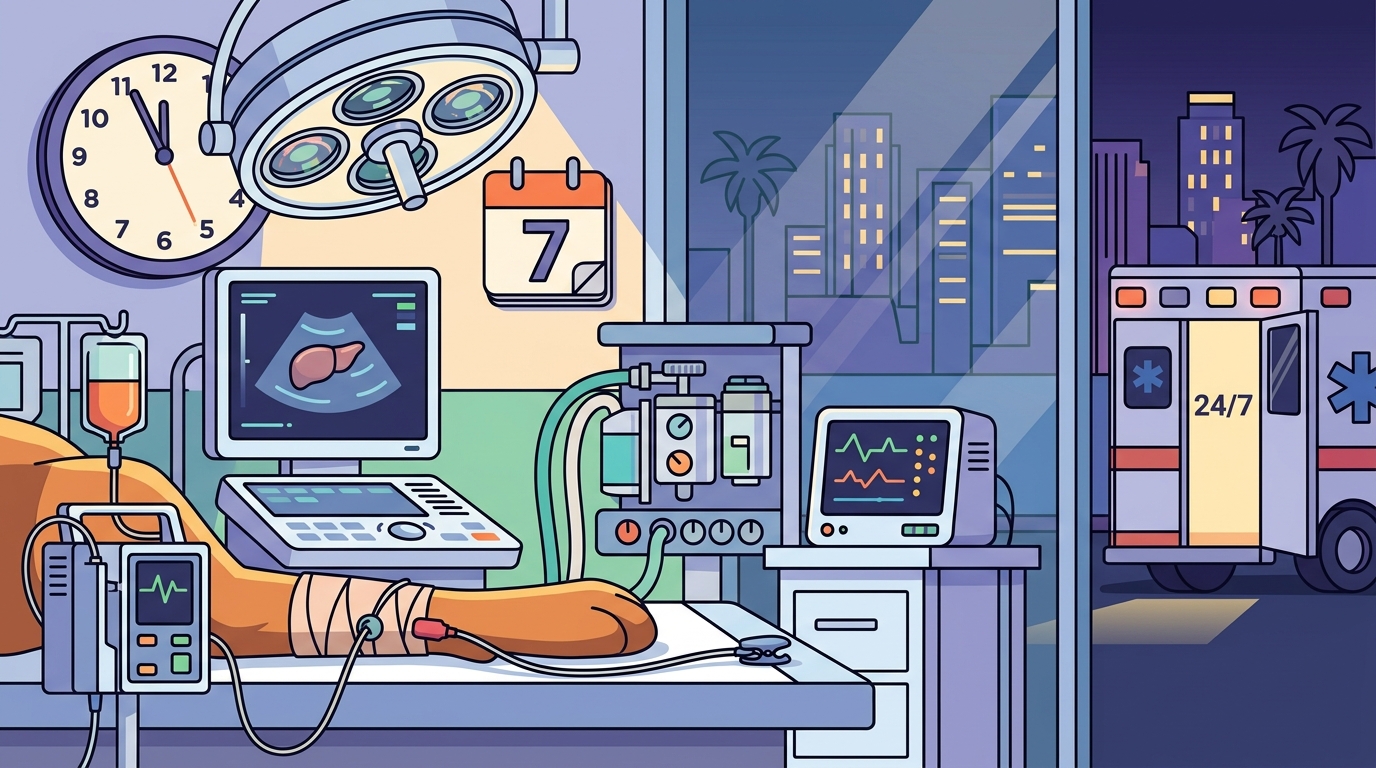
Emergency vs. Specialty Care Comparison
Understanding the difference between general emergency care and specialty care can help pet owners make informed decisions. While both are essential, they serve different purposes in the continuum of veterinary medicine. General emergency care focuses on stabilization and immediate life-saving interventions. Specialty care addresses complex, chronic, or rare conditions that require advanced expertise.
Many pets require both types of care. A pet might be stabilized in an emergency department and then transferred to a specialty department for ongoing treatment. Choosing a facility that offers both services seamlessly is ideal for ensuring continuity of care.
| Feature | General Emergency Care | Specialty Emergency Care (LAASER) |
|---|---|---|
| Availability | 24/7 | 24/7 |
| Focus | Stabilization and immediate intervention | Advanced diagnostics and complex treatment |
| Specialists | General emergency veterinarians | Board-certified specialists (Neurology, Cardiology, etc.) |
| Technology | Basic diagnostic tools | Advanced imaging (MRI, CT) and monitoring |
| Referrals | Often requires transfer to specialty center | In-house specialty consultation |
Key Takeaways
- 24/7 Availability: Emergency veterinary care is available 24 hours a day, 7 days a week, 365 days a year at LAASER.
- Triage Protocol: Patients are treated based on the severity of their condition, not the order of arrival.
- Specialty Integration: On-site specialists in neurology, cardiology, and surgery reduce the need for patient transfers.
- Advanced Technology: State-of-the-art equipment, including MRI, enables precise diagnosis and treatment.
- Expert Team: Board-certified veterinarians provide high-level expertise for complex medical conditions.
- Rehabilitation Services: Integrative medicine and physical therapy support long-term recovery and quality of life.
- Location: LAASER is located at 2500 N San Fernando Rd, Los Angeles, CA 90065, serving the greater Los Angeles area.
Frequently Asked Questions
What should I do if my pet has a medical emergency?
If you suspect your pet is in distress, call the emergency hospital immediately. Do not wait for business hours. If possible, call ahead so the team can prepare for your arrival. For immediate assistance, contact LAASER at (323) 800-VETS (8387).
How does the triage process work?
Triage is a system that prioritizes patients based on the severity of their condition. Pets with life-threatening symptoms are seen first. Less urgent cases may wait longer as the team stabilizes critical patients. This ensures that the most vulnerable pets receive immediate care.
Does LAASER offer specialty services?
Yes, LAASER provides a wide range of specialty services, including neurology, cardiology, internal medicine, surgery, and rehabilitation. These services are available on-site, allowing for comprehensive care without the need for transfers.
What types of advanced technology does LAASER use?
LAASER utilizes state-of-the-art equipment, including MRI, CT scans, digital radiography, and advanced cardiac monitoring. This technology enables precise diagnosis and effective treatment of complex medical conditions.
Are the veterinarians at LAASER board-certified?
Yes, LAASER employs board-certified veterinarians in emergency and critical care, cardiology, neurology, and other specialties. This ensures that pets receive the highest level of expertise for their medical needs.
How can I access my pet's medical records?
Pet owners can request medical records through the Pet Parent Portal. This online platform allows for easy access to records, medication refills, and appointment requests.
What is the address of LAASER?
LAASER is located at 2500 N San Fernando Rd, Los Angeles, CA 90065. Directions are available on their contact page.
Contact LAASER
When your pet needs expert care, LAASER is here to help. With 24/7 emergency services, board-certified specialists, and advanced technology, they provide the highest standard of veterinary care in Los Angeles. For immediate assistance, call (323) 800-VETS (8387). To learn more about their services or to schedule a specialty visit, visit the For Pet Owners page or complete the Contact Form online.