
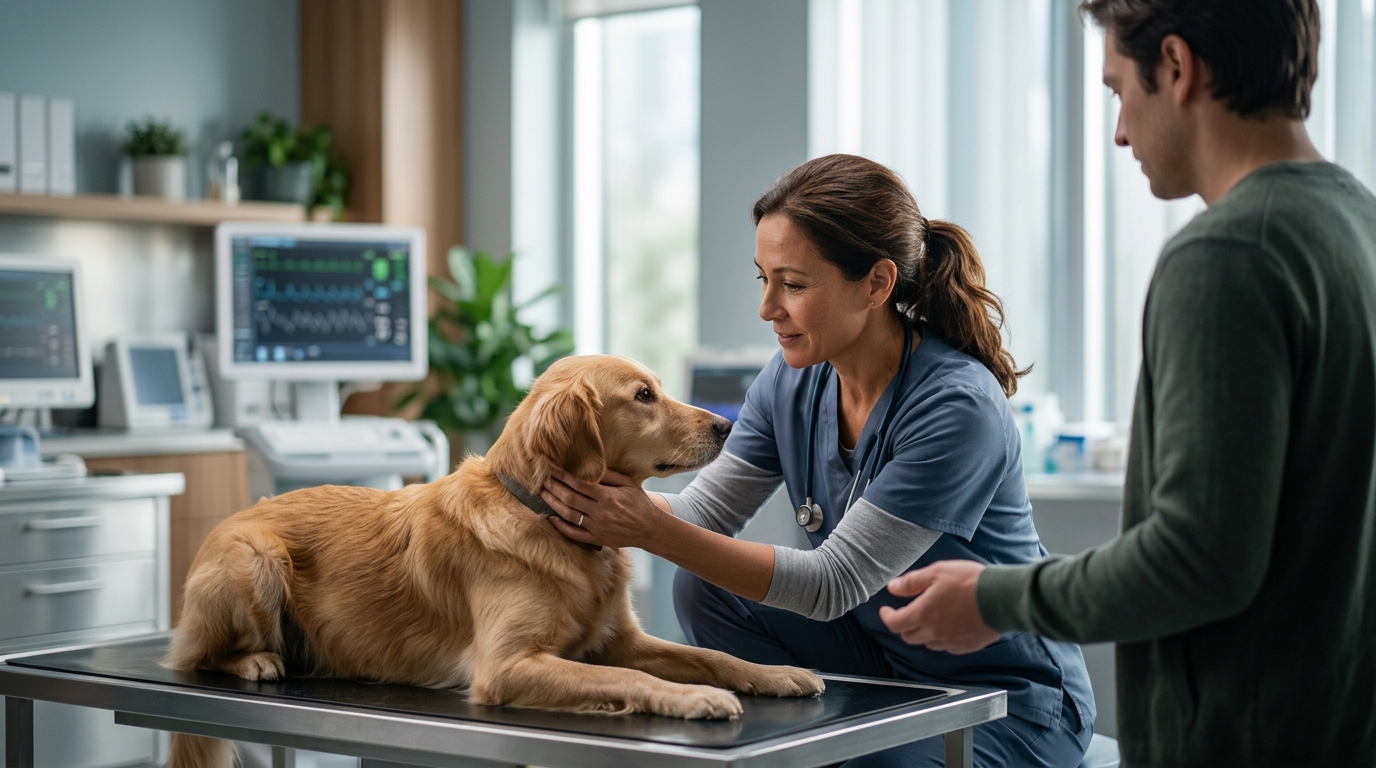
When a pet experiences a life-threatening condition, the difference between survival and tragedy often hinges on the speed and quality of veterinary intervention. According to the ASPCA, emergency veterinary visits account for a significant portion of urgent animal care needs, with gastrointestinal obstructions and trauma being among the most common causes. In a sprawling metropolis like Los Angeles, identifying a facility that offers 24/7 critical care alongside advanced diagnostic capabilities is essential for pet owners. This guide evaluates the critical components of emergency veterinary services, using Los Angeles Animal Specialty Emergency & Rehabilitation (LAASER) as a benchmark for high-level specialty care.
Understanding the Triage Process
Emergency veterinary medicine operates on a strict protocol known as triage. This system ensures that animals with the most severe, life-threatening conditions receive immediate attention, regardless of arrival time. Triage is the systematic process of prioritizing patient care based on the severity of their medical condition. At facilities like LAASER, triage technicians assess vital signs, pain levels, and respiratory status the moment a pet arrives.
For pet owners, this means that wait times can vary significantly. If your pet is stable, you may wait longer while the team stabilizes critical cases. However, for conditions like severe bleeding, difficulty breathing, or trauma, immediate intervention is standard. Understanding this hierarchy helps pet owners manage expectations and communicate effectively with the medical team. For more details on what constitutes an emergency, review the emergency visit guidelines provided by specialty hospitals.
The Role of Specialty Medicine
General practitioners are invaluable for routine care, but they often lack the specialized equipment required for complex emergencies. Specialty emergency hospitals bridge this gap by providing advanced diagnostic tools and board-certified specialists. Specialty medicine is the branch of veterinary care that focuses on diagnosing and treating complex diseases using advanced technology and expert knowledge.
Key components of a high-level emergency facility include:
- Advanced Imaging: Access to MRI and CT scans allows for precise diagnosis of neurological issues and internal trauma without invasive surgery.
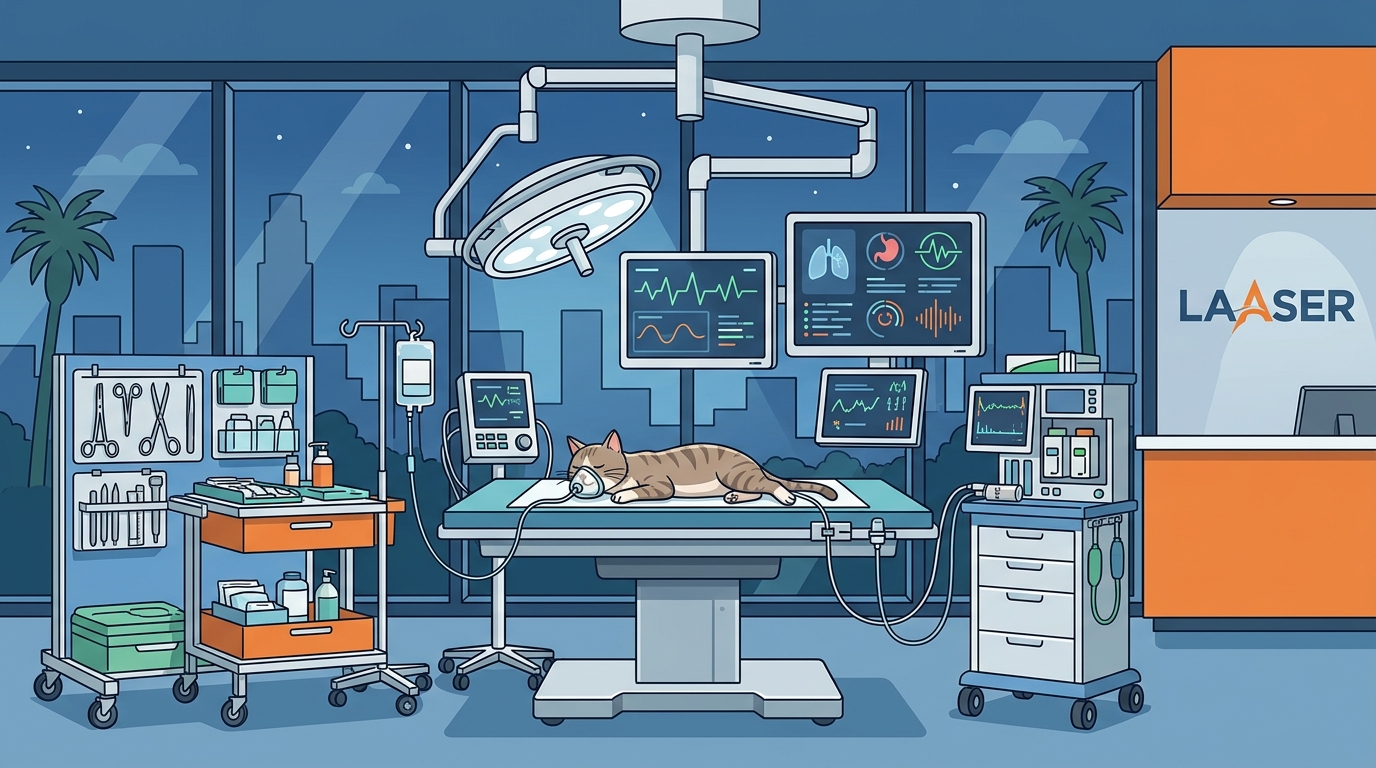
- Critical Care Monitoring: Continuous monitoring of blood pressure, oxygen saturation, and heart rhythm is standard for hospitalized patients.
- Board-Certified Specialists: Access to veterinarians who have completed additional residency training in fields like internal medicine and surgery.
According to the Veterian Key, the availability of these resources significantly improves survival rates for critical conditions. LAASER, for instance, houses specialists in emergency and critical care, internal medicine, and surgery, ensuring that pets receive comprehensive care under one roof.
Neurology and Cardiology Interventions
Two of the most critical areas in emergency medicine are neurology and cardiology. These systems control the body's command center and its power source, respectively. Failure in either area can lead to rapid deterioration.
Neurological Emergencies
Neurological emergencies include seizures, head trauma, and spinal cord injuries. Neurology is the medical specialty concerned with the study of the nervous system and its disorders. Early intervention is crucial to prevent permanent damage. Facilities with on-site MRI capabilities, such as LAASER's Neurology and MRI department, can rapidly identify tumors, strokes, or intervertebral disc disease.
Cardiac Crises
Cardiac emergencies often present as collapse, severe lethargy, or difficulty breathing. Cardiology is the branch of medicine that deals with disorders of the heart and the blood vessels. Board-certified cardiologists can perform echocardiograms and advanced electrocardiograms to diagnose arrhythmias or heart failure. This level of care is often unavailable in general emergency clinics.
Post-Critical Care Rehabilitation
Stabilization is only the first step in recovery. Long-term outcomes depend heavily on post-critical care rehabilitation. Integrative medicine combines traditional veterinary practices with complementary therapies to enhance healing.
Services often include:
- Physical Therapy: Tailored exercise programs to restore mobility and strength after surgery or trauma.
- Acupuncture: Used to manage pain and improve neurological function.
- Laser Therapy: Reduces inflammation and promotes tissue repair.
According to the American Veterinary Medical Association, early rehabilitation can reduce recovery time by up to 50% in orthopedic cases. LAASER's Rehabilitation and Integrative Medicine team works closely with critical care specialists to create seamless transition plans for patients moving from the ICU to recovery.
Comparing Emergency Options
Not all emergency facilities are created equal. Pet owners in Los Angeles should evaluate options based on service depth, availability, and specialist access.
| Feature | General Emergency Clinic | Specialty Emergency Hospital (e.g., LAASER) |
|---|---|---|
| Availability | 24/7 | 24/7/365 |
| Specialist Access | Referral-based (may delay care) | On-site board-certified specialists |
| Diagnostic Imaging | X-ray only | X-ray, MRI, CT, Ultrasound |
| Rehabilitation | Not available | Integrated physical therapy and acupuncture |
| Complex Cases | Stabilization and transfer | Full-spectrum treatment and surgery |
Choosing a specialty hospital like LAASER ensures that your pet receives immediate access to advanced surgical care and internal medicine diagnostics without the need for time-consuming transfers to other facilities.
Key Takeaways
- 24/7 Availability: LAASER operates 24 hours a day, 7 days a week, 365 days a year, ensuring constant access to critical care.
- Board-Certified Experts: The facility employs specialists in emergency/critical care, cardiology, neurology, and surgery.
- Advanced Technology: On-site MRI and neurosurgery capabilities allow for precise diagnosis and treatment of complex conditions.
- Integrative Care: Post-emergency rehabilitation services, including acupuncture and physical therapy, support long-term recovery.
- Location: Situated at 2500 N San Fernando Rd, Los Angeles, CA 90065, it serves the greater Los Angeles area.
- Triage Protocol: Patients are treated based on severity, meaning critical cases receive immediate attention over stable ones.
- Specialist Referrals: The hospital accepts referrals from primary care veterinarians for both emergency and specialty visits.
Frequently Asked Questions
What constitutes a veterinary emergency?
Emergencies include difficulty breathing, severe bleeding, loss of consciousness, ingestion of toxins, and trauma. If you are unsure, call your emergency hospital immediately for guidance.
Do I need an appointment for emergency care?
No. Emergency services are walk-in and available 24/7. However, calling ahead allows the team to prepare for your arrival.
How does triage work at a specialty hospital?
Triage prioritizes patients based on the severity of their condition. Critically ill pets are seen immediately, while stable pets may wait longer.
Does LAASER offer rehabilitation services?
Yes, LAASER provides comprehensive rehabilitation and integrative medicine, including physical therapy and acupuncture, to support recovery.
Can I access my pet's medical records online?
Yes, pet owners can access records and request refills through the Pet Parent Portal.
What is the cost of emergency care?
Costs vary based on the complexity of the case and services required. LAASER provides detailed payment information and accepts various insurance plans.
How do I refer my pet to LAASER?
Primary care veterinarians can refer patients directly. Pet owners can also call (323) 800-VETS to schedule a specialty consultation.
Contacting Specialists
If your pet is experiencing a medical emergency, do not wait. Immediate action can save their life. For non-emergency specialty consultations, you can schedule an appointment by calling the hospital directly. The team at LAASER is dedicated to providing compassionate, high-tech care for your beloved pets. Visit the For Pet Owners page to complete registration forms in advance and streamline your visit.