
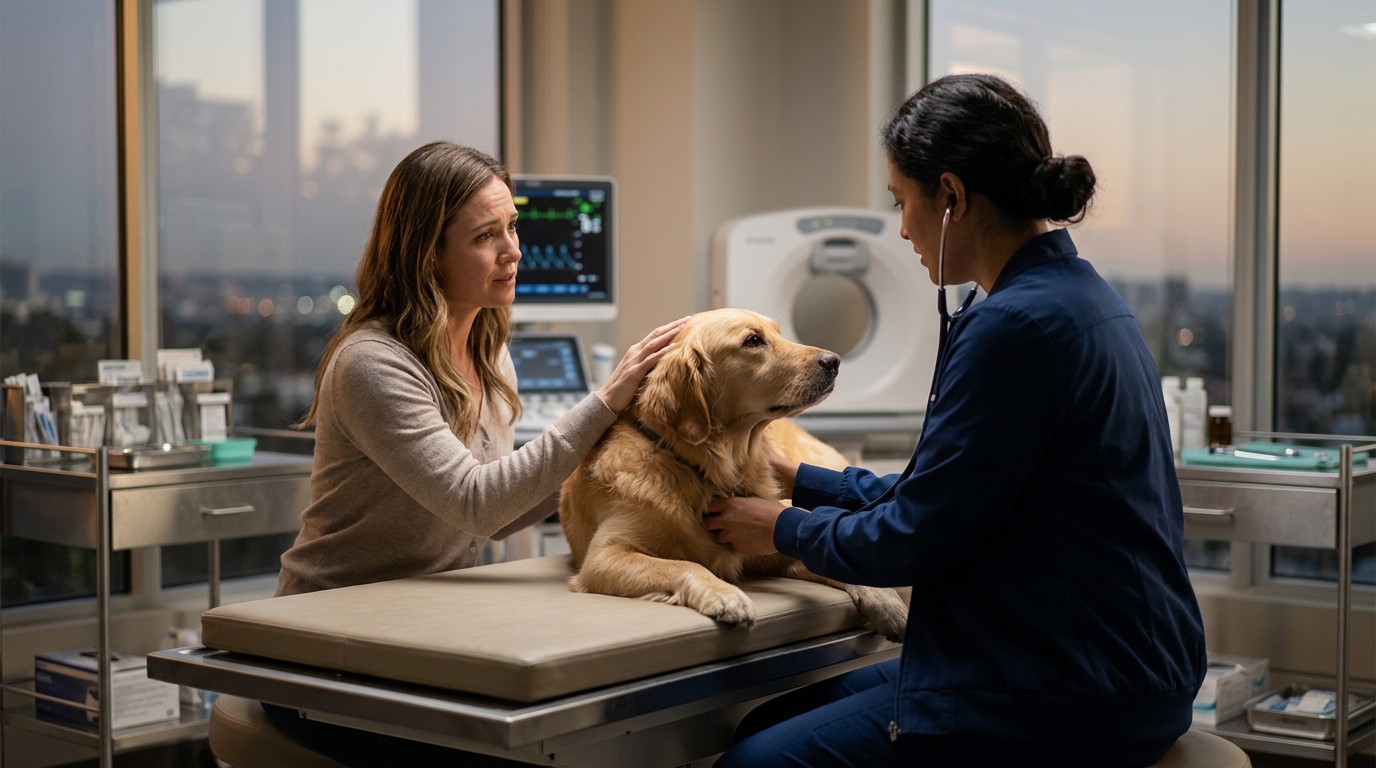
When a pet faces a life-threatening condition, the difference between standard care and specialized intervention can determine survival. According to recent veterinary industry data, emergency animal visits in major metropolitan areas like Los Angeles have increased significantly, with many owners seeking advanced diagnostic capabilities beyond what general practitioners offer. Veterinary emergency statistics indicate that rapid access to critical care is the single most important factor in pet survival rates during acute trauma or sudden illness. This guide compares the landscape of veterinary services in Los Angeles, highlighting the critical distinctions between general practice and the specialized, board-certified care provided by facilities like Los Angeles Animal Specialty Emergency & Rehabilitation.
General Practice vs. Specialty Care
Understanding the scope of care available in Los Angeles begins with recognizing the fundamental difference between a primary care veterinarian and a specialty hospital. General practice is the routine medical care provided by veterinarians who focus on wellness exams, vaccinations, and common illnesses. While essential for preventive health, general practitioners often lack the advanced equipment and specialized training required for complex, life-threatening emergencies.
In contrast, specialty care involves board-certified veterinarians who have completed additional years of rigorous training in specific fields such as neurology, cardiology, or internal medicine. Los Angeles Animal Specialty Emergency & Rehabilitation (LAASER) operates as a dedicated specialty hospital, meaning every member of their medical team is an expert in their respective field. This specialization allows for a level of diagnostic precision and treatment efficacy that general clinics cannot match.
For pet owners in Los Angeles, the choice often comes down to the severity of the situation. Routine check-ups should remain with your primary vet. However, when a pet experiences seizures, difficulty breathing, or severe trauma, the immediate transfer to a facility equipped with emergency medicine specialists is critical. The presence of board-certified specialists on-site 24/7 ensures that complex cases do not require unnecessary transfers to other facilities, saving precious time during a crisis.
24/7 Emergency Readiness and Triage
One of the most significant differentiators among Los Angeles veterinary providers is their operational readiness for emergencies. Many general clinics close at night and on weekends, leaving pet owners to navigate a fragmented network of after-hours care. LAASER provides continuous 24/7 emergency care, ensuring that help is available at any hour, 365 days a year.
Effective emergency care relies heavily on triage protocols. Triage is the process of prioritizing patients based on the severity of their condition. At specialty hospitals like LAASER, experienced triage technicians immediately assess incoming pets to determine urgency. This system ensures that the most critically ill or injured animals receive immediate attention, while those with less urgent needs are stabilized and monitored. This structured approach to critical medical care is a hallmark of high-level veterinary hospitals and is rarely available in standard practice settings.
Furthermore, the ability to call ahead allows the medical team to prepare for your arrival. By contacting the hospital at 323-800-VETS before arriving, pet owners can ensure that the appropriate specialists are alerted and ready to receive the patient. This proactive communication streamlines the intake process, reducing wait times and stress for both the pet and the owner during a chaotic moment.
Diagnostic Technology and MRI Access
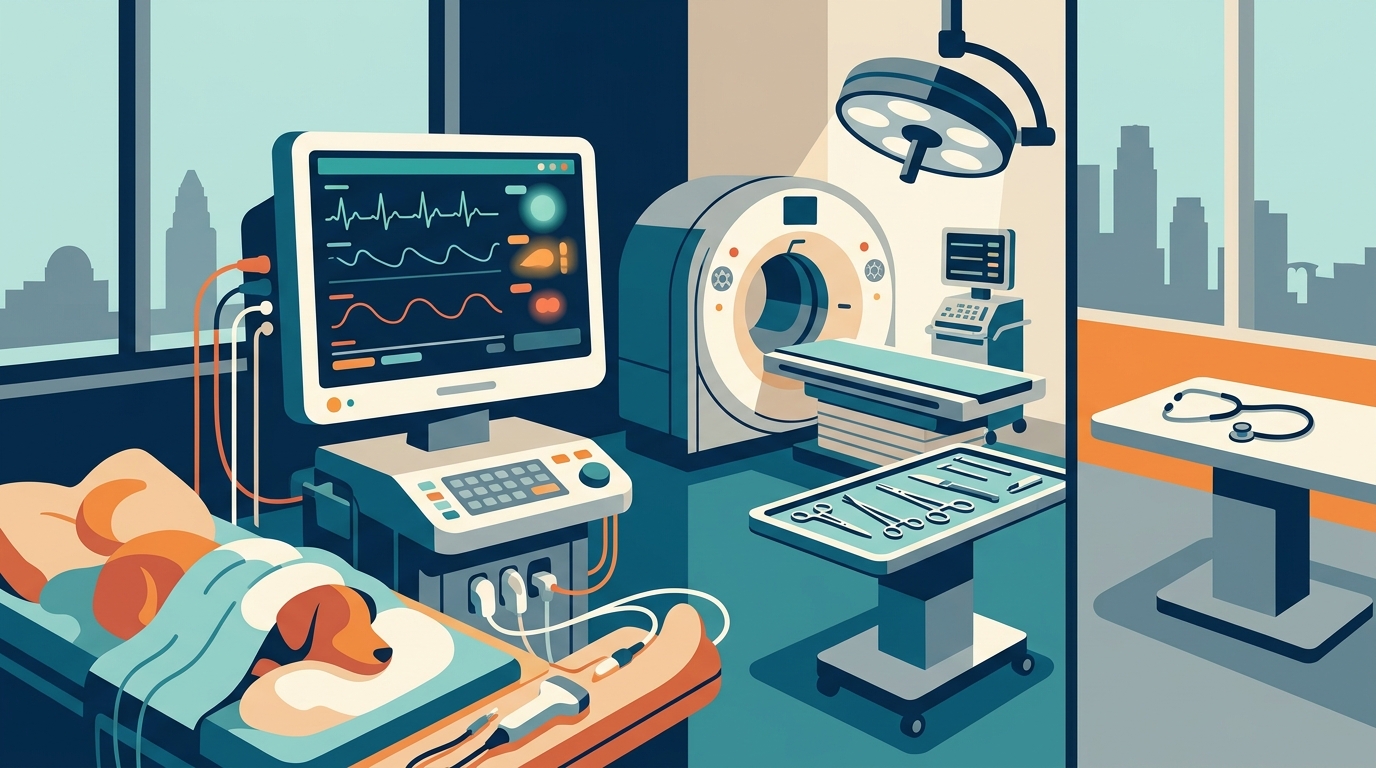
Advanced diagnostics are the cornerstone of modern specialty veterinary medicine. In Los Angeles, the availability of on-site neurology and MRI services is a rare and valuable asset. Magnetic Resonance Imaging (MRI) allows veterinarians to visualize soft tissues, the brain, and the spinal cord with unprecedented clarity. This technology is essential for diagnosing conditions such as intervertebral disc disease, brain tumors, and other neurological disorders that are invisible to standard X-rays.
Without on-site MRI, pets with neurological symptoms often require sedation for transport to external imaging centers, delaying diagnosis and treatment. LAASER’s integration of neurology and neurosurgery with advanced imaging capabilities means that pets can be diagnosed and treated in a single visit. This efficiency not only improves outcomes but also reduces the overall burden on the animal, who avoids the stress of multiple procedures.
Additionally, the use of state-of-the-art diagnostic testing equipment allows for rapid identification of internal issues. From advanced blood work to specialized imaging, the ability to gather comprehensive data quickly is what separates a specialty hospital from a general clinic. This technological advantage is particularly crucial for internal medicine cases, where complex systemic diseases require detailed analysis to formulate an effective treatment plan.
Specialty Departments: Neurology and Cardiology
Los Angeles is home to several veterinary providers, but few offer the depth of specialty departments found at LAASER. Two of the most critical areas of specialization are neurology and cardiology. Neurology focuses on the nervous system, including the brain and spinal cord. Conditions such as epilepsy, vestibular disease, and spinal cord injuries require precise diagnosis and often surgical intervention. The neurology department at LAASER, led by experts like Dr. Kimi Sharma, provides advanced care for these complex conditions.
Cardiology is another vital specialty, dealing with heart and vascular diseases. Conditions such as heart murmurs, arrhythmias, and congestive heart failure require specialized diagnostic tools like echocardiograms and Holter monitors. Dr. Jordan Vitt and the cardiology team at LAASER are dedicated to diagnosing and managing these life-threatening conditions. The ability to perform advanced cardiac diagnostics on-site ensures that pets with heart issues receive immediate and accurate care.
Other specialty departments include surgery, internal medicine, and dentistry. Each department is staffed by board-certified specialists who bring a high level of expertise to their respective fields. This multidisciplinary approach allows for collaborative care, where specialists consult with one another to provide the best possible outcome for complex cases. For example, a pet with a spinal tumor may require input from both neurology and surgery teams to determine the best course of action.
Rehabilitation and Integrative Medicine
Recovery from surgery or injury is a critical phase of veterinary care. Rehabilitation and integrative medicine is a growing field in veterinary care that focuses on restoring function and improving quality of life. This approach combines traditional physical therapy with alternative therapies such as acupuncture and laser therapy.
At LAASER, the rehabilitation team includes certified veterinarians and physical therapists who design customized recovery plans for each pet. Whether a pet is recovering from orthopedic surgery, managing arthritis, or healing from a neurological injury, targeted rehabilitation can significantly speed up recovery and reduce pain. This holistic approach to care is a key differentiator for pet owners seeking comprehensive support for their animals.
Integrative medicine also addresses the emotional and physical well-being of the pet. By combining conventional treatments with complementary therapies, veterinarians can provide a more complete picture of the pet’s health. This method is particularly effective for chronic conditions that require long-term management. The focus on rehabilitation and integrative medicine ensures that pets not only survive their conditions but thrive in their recovery.
Service Comparison Summary
The following table summarizes the key differences between general veterinary practice and the specialty services offered at LAASER in Los Angeles.
| Feature | General Veterinary Practice | LAASER Specialty Hospital |
|---|---|---|
| Hours of Operation | Typically 8 AM to 6 PM, weekdays | 24/7/365 Emergency Care |
| Staff Expertise | General Practitioners | Board-Certified Specialists |
| Diagnostic Technology | Basic X-ray, Blood Work | Advanced MRI, Echocardiography, Neurology |
| Emergency Triage | Limited or Referral Based | Immediate On-Site Triage |
| Rehabilitation Services | Rarely Available | Full Physical Therapy & Integrative Medicine |
| Surgical Complexity | Standard Soft Tissue | Complex Neurosurgery & Orthopedics |
Key Takeaways
- 24/7 Availability: LAASER provides round-the-clock emergency care, a critical advantage over general clinics that close at night.
- Board-Certified Specialists: The medical team includes experts in emergency care, neurology, cardiology, and surgery, ensuring high-level expertise.
- Advanced Diagnostics: On-site MRI and specialized imaging allow for rapid and accurate diagnosis of complex conditions.
- Comprehensive Rehabilitation: Integrated physical therapy and integrative medicine support full recovery and improved quality of life.
- Structured Triage: Immediate assessment upon arrival ensures that the most critical patients receive priority care.
- Local Presence: Located at 2500 N San Fernando Rd, Los Angeles, CA 90065, providing accessible specialty care for the community.
- Pet Parent Portal: Digital tools for medication refills and records management enhance the client experience.
Frequently Asked Questions
What is the difference between emergency and specialty care?
Emergency care focuses on stabilizing life-threatening conditions immediately, while specialty care involves advanced diagnosis and treatment of complex diseases by board-certified experts. LAASER combines both to provide seamless care.
Does LAASER accept referrals from general veterinarians?
Yes, LAASER actively collaborates with general practitioners in Los Angeles. Referring veterinarians can contact the hospital to discuss cases and coordinate care for their patients.
How do I schedule a specialty appointment?
Specialty visits are available by appointment. You can call 323-800-VETS or use the Pet Parent Portal to request an appointment. Providing medical records in advance helps the team prepare for your visit.
What types of conditions does the neurology department treat?
The neurology department treats conditions affecting the brain and spinal cord, including seizures, vestibular disease, spinal cord injuries, and brain tumors. Advanced MRI technology is used for accurate diagnosis.
Is rehabilitation therapy available for pets after surgery?
Yes, LAASER offers comprehensive rehabilitation services, including physical therapy, acupuncture, and laser therapy, to support recovery and improve mobility after surgery or injury.
What should I do if my pet has a medical emergency at night?
If your pet has a medical emergency, call 323-800-VETS immediately. LAASER is open 24/7, and the team will guide you on the next steps for your pet's care.
How can I access my pet's medical records?
Pet owners can request medical records through the Pet Parent Portal or by contacting the hospital directly. The process is designed to be secure and efficient.
Contacting LAASER
If you are comparing veterinary options in Los Angeles, consider the depth of care, availability, and specialized expertise that LAASER provides. Whether you need emergency stabilization, advanced neurological evaluation, or post-surgical rehabilitation, the team at LAASER is dedicated to providing the highest standard of care for your pet.
For more information about our services, to schedule an appointment, or to speak with a member of our team, please visit our Contact Us page or call 323-800-VETS (8387). We are here to help you and your pet navigate any medical challenge with compassion and expertise.