

According to the American Veterinary Medical Association, approximately 10% of all veterinary visits are for emergency cases that require immediate attention outside of standard business hours. This statistic highlights a critical gap in pet care infrastructure. Many pet owners face a difficult choice when their animal falls ill at night or on a weekend. Understanding the operational differences between a 24/7 emergency veterinary hospital and a regular primary care clinic is essential for making informed decisions during high-stress moments. This guide breaks down the key distinctions to help you navigate these situations with confidence and clarity.
Understanding the Core Differences
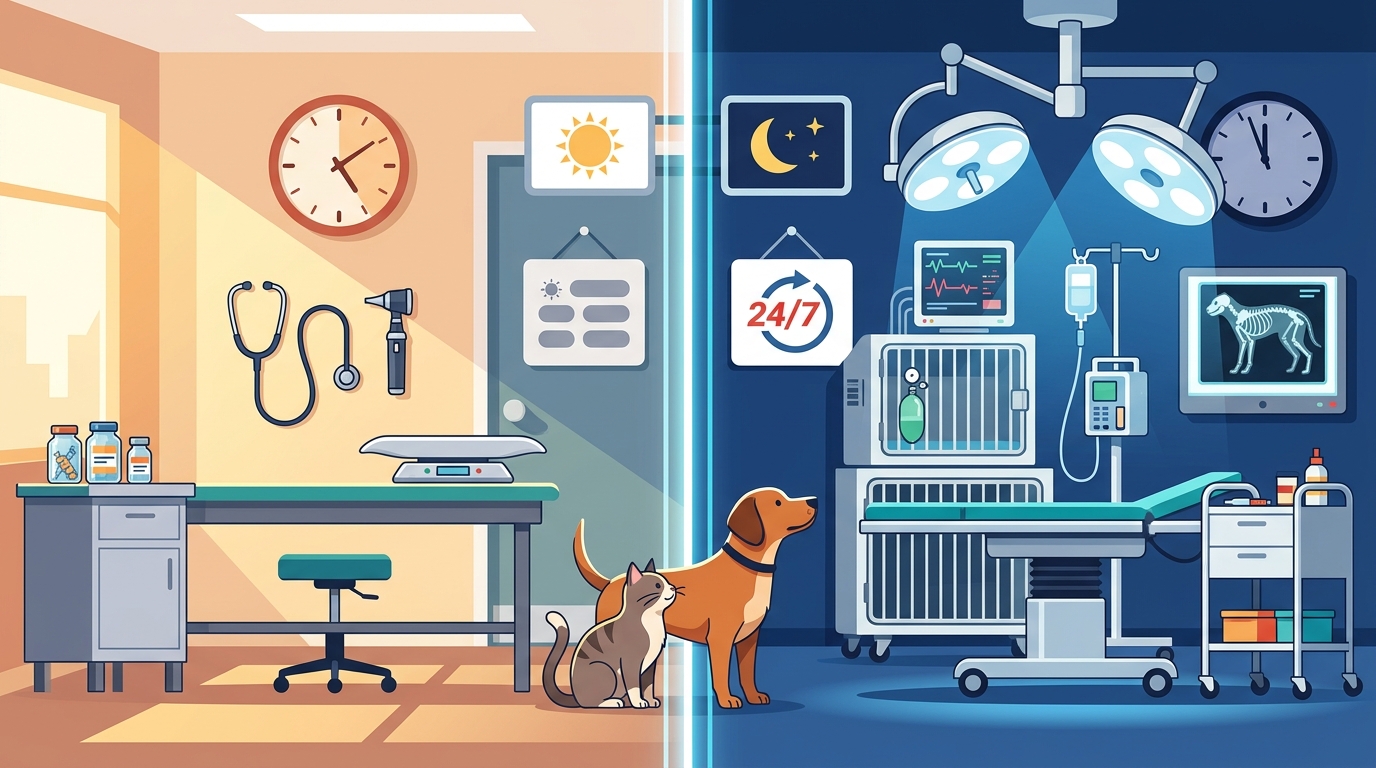
The primary distinction lies in the scope of care and the level of specialization. A regular veterinary clinic, often referred to as a primary care practice, focuses on preventive medicine, routine check-ups, vaccinations, and management of chronic conditions. These clinics operate on a scheduled basis, typically Monday through Friday, with limited weekend hours. The environment is designed for long-term relationship building between the veterinarian, the pet, and the owner.
In contrast, a 24/7 emergency veterinary hospital is designed for acute, life-threatening, or severe injuries. These facilities are equipped with advanced diagnostic tools such as digital radiography, ultrasound, and in-house laboratories that can provide results within minutes. The staff includes emergency veterinarians and technicians who specialize in critical care, trauma, and toxicology. The goal is stabilization and immediate intervention rather than long-term management.
Another key difference is the continuity of care. Your regular vet knows your pet's medical history, baseline vitals, and personality. An emergency vet sees your pet for the first time in a crisis. This lack of historical context can sometimes lead to more aggressive diagnostic protocols to rule out underlying issues. Understanding this dynamic helps pet owners appreciate the value of both service types.
When to Choose 24/7 Emergency Services
Knowing when to bypass your regular clinic and head to an emergency facility can be the difference between life and death. Certain symptoms require immediate professional intervention that cannot wait until the morning. If your pet exhibits signs of severe distress, do not hesitate to seek emergency care. Time is a critical factor in outcomes for many acute conditions.
Severe Trauma and Injury
Any incident involving significant physical trauma warrants an immediate visit to an emergency hospital. This includes being hit by a car, falling from a height, or suffering deep lacerations. Internal bleeding may not be visible externally but can cause rapid deterioration. Symptoms such as pale gums, weakness, or difficulty breathing after an injury are red flags. According to data from veterinary trauma studies, early intervention in cases of blunt force trauma significantly improves survival rates.
Toxic Ingestion
If your pet has ingested a toxic substance, such as chocolate, xylitol, antifreeze, or certain plants, time is of the essence. Some toxins cause organ failure within hours. Symptoms may include vomiting, diarrhea, seizures, or excessive drooling. Do not wait for symptoms to worsen. Contact an emergency vet immediately. The American Society for the Prevention of Cruelty to Animals provides a hotline for poison control, but professional medical treatment is often required to neutralize the toxin.
Respiratory Distress
Difficulty breathing is always a medical emergency. Whether it is due to an allergic reaction, heart failure, or airway obstruction, respiratory distress can lead to hypoxia and death rapidly. Signs include open-mouth breathing in cats, extreme lethargy, and blue or purple gums. Immediate oxygen therapy and diagnostic imaging are necessary to determine the cause and stabilize the patient.
When to Visit Your Regular Clinic
While emergency services are vital for crises, they are not the appropriate setting for non-urgent issues. Regular clinics offer a more cost-effective and personalized approach to pet health. They are ideal for managing ongoing conditions and preventing future illnesses. Utilizing your primary care provider ensures that your pet receives consistent, comprehensive care.
Routine Preventive Care
Annual or bi-annual check-ups are the cornerstone of pet health. These visits allow your veterinarian to monitor weight, dental health, and organ function. Vaccinations, flea and tick prevention, and heartworm testing are typically administered during these appointments. Preventive care is far less expensive than emergency treatment and can extend your pet's lifespan significantly.
Minor Illnesses and Injuries
Conditions such as mild ear infections, skin irritations, or minor cuts can often be managed by your regular vet. If your pet is eating, drinking, and acting normally despite the issue, it is usually safe to wait for the next business day. Your primary vet can prescribe appropriate medications and provide home care instructions. This approach avoids the high stress and cost associated with emergency visits.
Chronic Disease Management
Pets with conditions like diabetes, kidney disease, or arthritis require regular monitoring and medication adjustments. These visits are scheduled and require a deep understanding of your pet's history. Emergency hospitals are not equipped for long-term management of chronic conditions. They focus on stabilization, not maintenance. Building a strong relationship with your primary vet ensures that your pet's chronic needs are met with expertise and compassion.
Cost and Coverage Comparison
One of the most significant factors influencing the decision between a 24/7 emergency vet and a regular clinic is cost. Emergency veterinary care is substantially more expensive due to the overhead of maintaining 24-hour staffing, advanced equipment, and immediate diagnostic capabilities. Understanding these costs helps pet owners prepare financially and make informed choices.
| Service Type | Typical Cost Range | Primary Focus | Availability |
|---|---|---|---|
| Regular Clinic Visit | $50 - $200 | Prevention & Chronic Care | Business Hours |
| Emergency Consultation | $150 - $300+ | Acute Stabilization | 24/7 |
| Emergency Surgery | $1,000 - $5,000+ | Trauma Repair | 24/7 |
| Diagnostic Imaging | $200 - $800 | Internal Assessment | 24/7 |
It is important to note that these costs are averages and can vary based on location, the severity of the condition, and the specific treatments required. Many pet owners find that pet insurance is essential for managing the financial burden of emergency care. Policies that cover accidents and illnesses can significantly reduce out-of-pocket expenses. Always review your policy details to understand coverage limits and exclusions.
The Role of Laaser.Vet in Pet Care
At Laaser.Vet, we understand that pet ownership involves complex decisions regarding health and wellness. Our platform is designed to connect pet owners with high-quality veterinary services, including both primary care and emergency options. We believe in empowering pet owners with the knowledge and resources they need to make the best choices for their animals.
Our network includes verified emergency hospitals and trusted primary care clinics. By using our platform, you can easily locate the nearest 24/7 emergency facility or schedule a routine check-up with your regular vet. We prioritize transparency and accessibility in veterinary care. Our goal is to simplify the process of finding reliable care, whether it is for a routine vaccination or a critical emergency.
We also provide educational resources to help pet owners recognize the signs of common health issues. By staying informed, you can better determine when to seek immediate help and when to manage a condition at home. This proactive approach can save lives and reduce unnecessary stress for both you and your pet. Explore our services to learn more about how we support the veterinary community.
Key Takeaways
- Emergency vs. Routine: Use 24/7 emergency vets for acute, life-threatening issues like trauma, toxicity, or respiratory distress.
- Cost Implications: Emergency care costs are significantly higher than regular clinic visits, often ranging from $150 to over $5,000 for complex cases.
- Preventive Care: Regular check-ups are essential for early detection of diseases and are far more cost-effective than emergency interventions.
- Continuity of Care: Your primary vet knows your pet's history, which is crucial for managing chronic conditions and long-term health.
- Time Sensitivity: In cases of severe injury or toxin ingestion, every minute counts. Do not wait for business hours to begin.
- Pet Insurance: Consider pet insurance to mitigate the high financial risks associated with emergency veterinary care.
- Resource Access: Platforms like Laaser.Vet help streamline the process of finding appropriate veterinary care.
Frequently Asked Questions
Can my regular vet handle emergencies?
Most regular veterinary clinics are not equipped to handle severe emergencies. They may stabilize a pet and then refer you to an emergency hospital. It is best to call your regular vet first if you are unsure, but be prepared to go to an emergency facility if the situation is critical.
How much does an emergency vet visit cost?
The cost of an emergency vet visit varies widely based on the location and the severity of the condition. A basic consultation can cost between $150 and $300, while surgeries and intensive care can run into the thousands. Always ask for a cost estimate before proceeding with treatment.
What are the signs of a veterinary emergency?
Signs include difficulty breathing, severe bleeding, seizures, loss of consciousness, ingestion of toxins, and inability to stand. If you observe any of these symptoms, seek immediate medical attention.
Is pet insurance worth it for emergencies?
Many pet owners find pet insurance invaluable for covering emergency costs. It can help manage the financial burden of unexpected illnesses or injuries. Review policy terms carefully to understand coverage limits and deductibles.
How do I find a reliable 24/7 emergency vet?
You can find reliable emergency vets through online directories, recommendations from your primary vet, or platforms like Laaser.Vet. Look for facilities with board-certified emergency specialists and advanced diagnostic equipment.
Can I wait until morning for a minor issue?
If your pet is eating, drinking, and acting normally, it is usually safe to wait. However, if symptoms worsen or new symptoms appear, do not hesitate to seek emergency care. It is better to be cautious than to risk your pet's health.
What should I bring to an emergency vet visit?
Bring your pet's medical records, a list of current medications, and any information about potential toxin ingestion. This information helps the emergency team provide faster and more accurate care.
Take Action for Your Pet's Health
Understanding the differences between 24/7 emergency vets and regular clinics empowers you to make better decisions for your pet's health. Whether you need immediate emergency care or routine preventive services, having a clear plan in place is essential. Visit Laaser.Vet today to connect with trusted veterinary professionals and access comprehensive pet care resources. Your pet's well-being is worth the effort.